English
 中文简体
中文简体 русский
 Español
Home / Blog / Industry News / Where Are Disposable Products Ultrasonic Machines Used and How Do They Work?


Request A Quote

Content
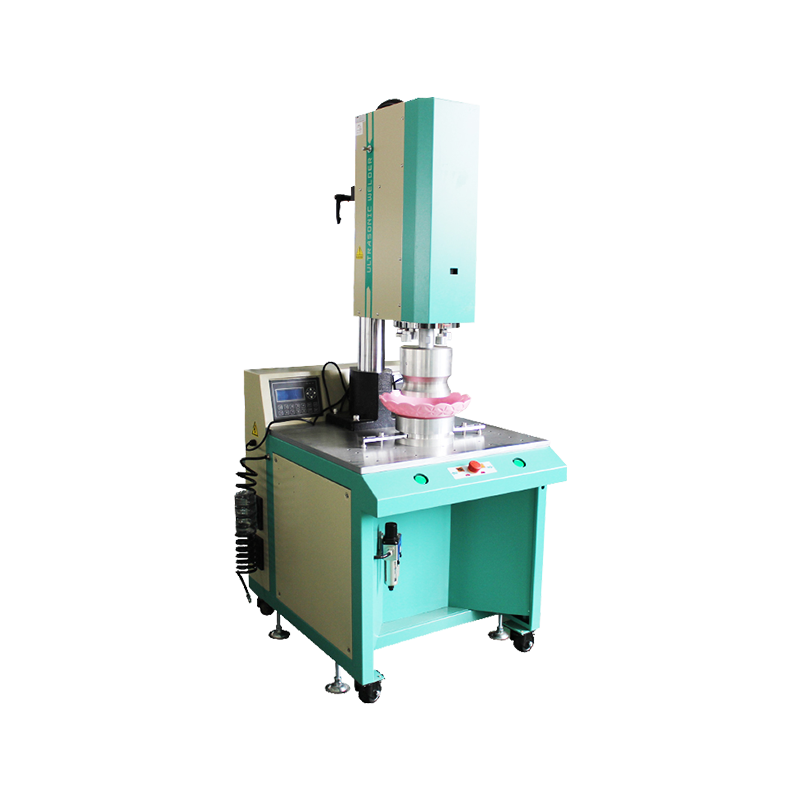
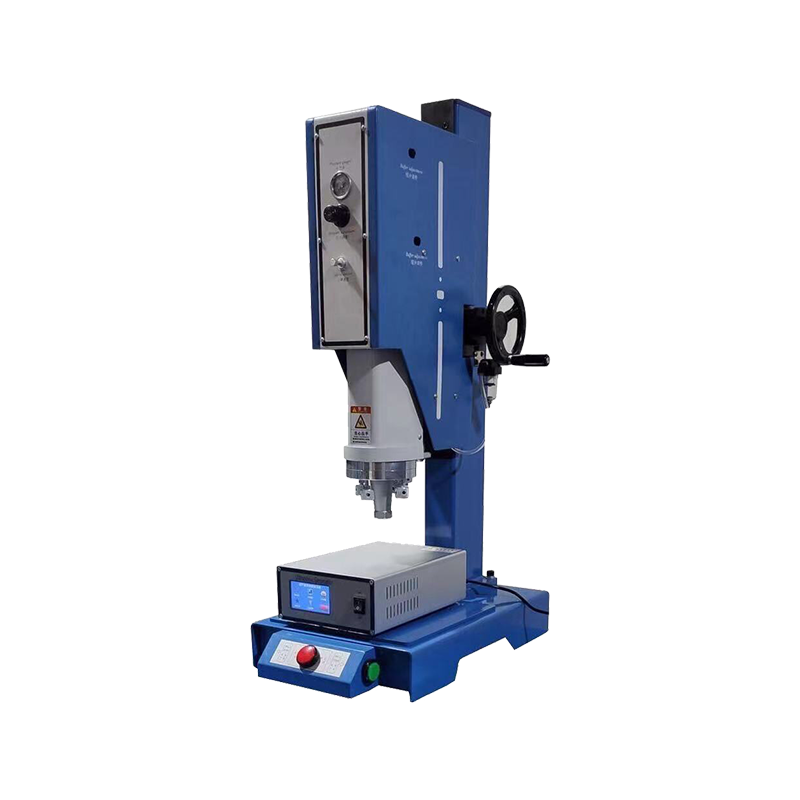
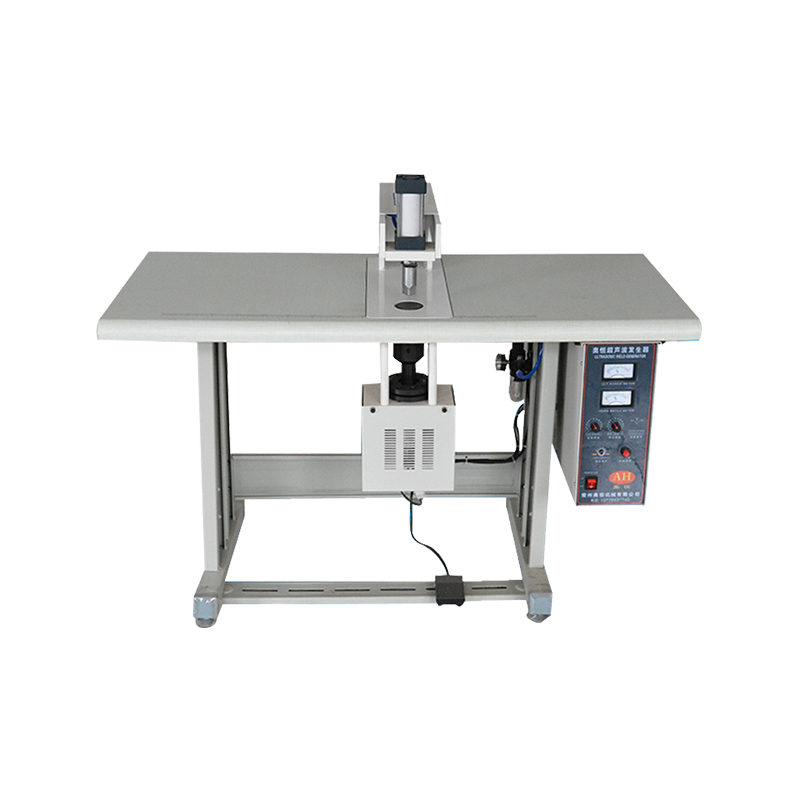
A disposable products ultrasonic machine is a specialized piece of industrial equipment that uses high-frequency ultrasonic vibrations — typically ranging from 20kHz to 40kHz — to generate localized heat through friction between thermoplastic materials. This heat causes the materials to melt and fuse together at precise points without the need for adhesives, stitching, or external heat sources. The result is a clean, strong, and consistent bond that is especially well-suited for products that must be manufactured at high speed, meet strict hygiene standards, and maintain structural integrity throughout their single-use lifecycle. These machines are the backbone of modern disposable product manufacturing lines worldwide.
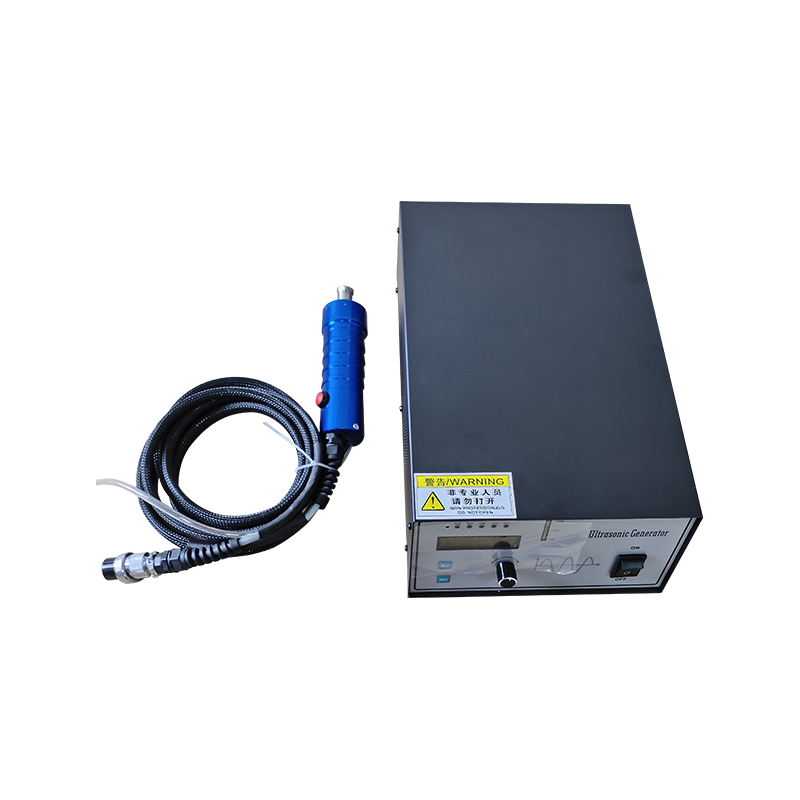
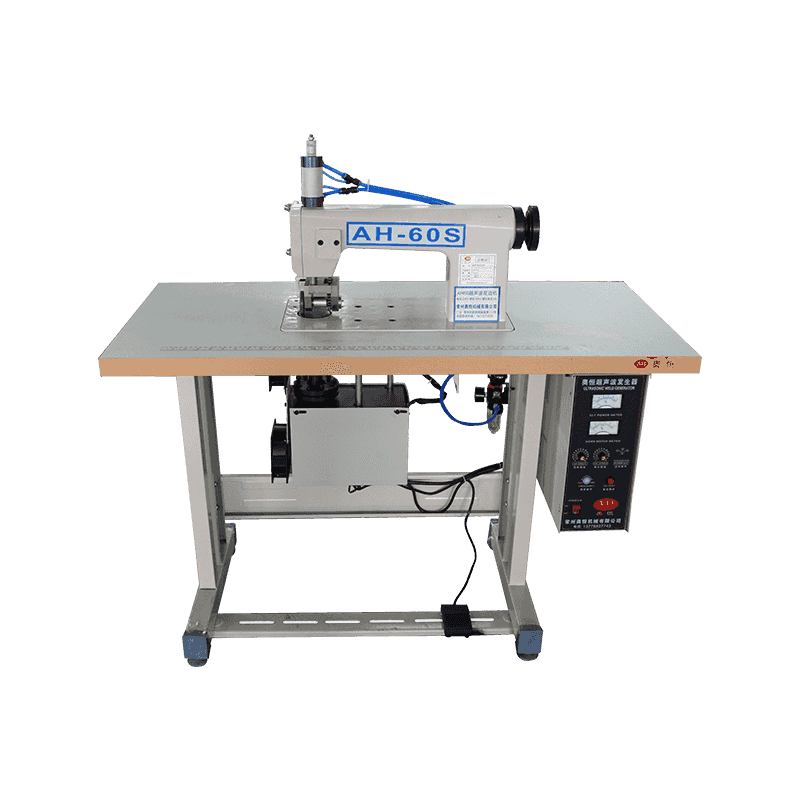
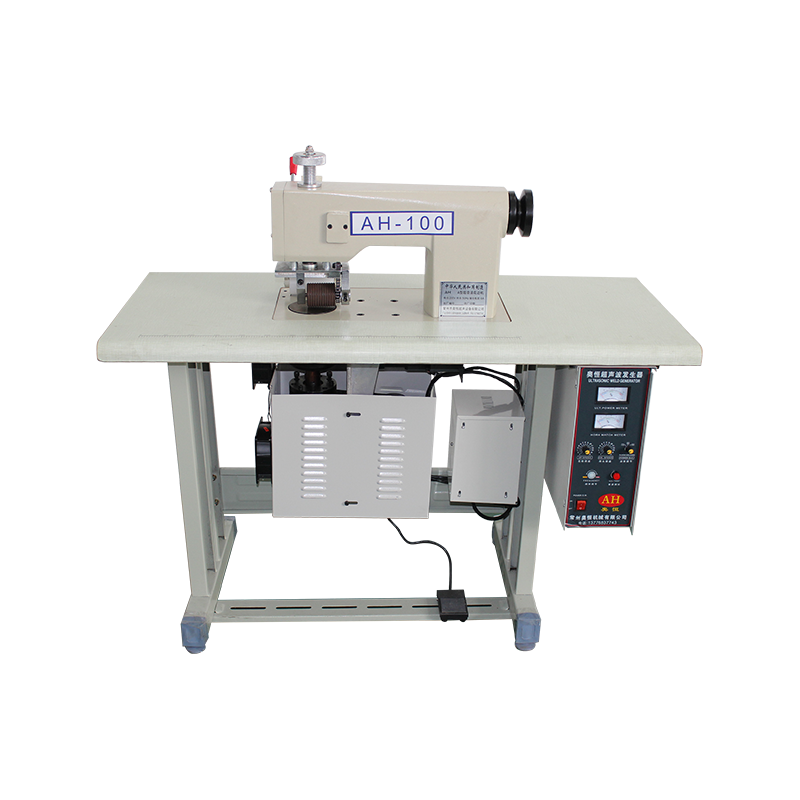
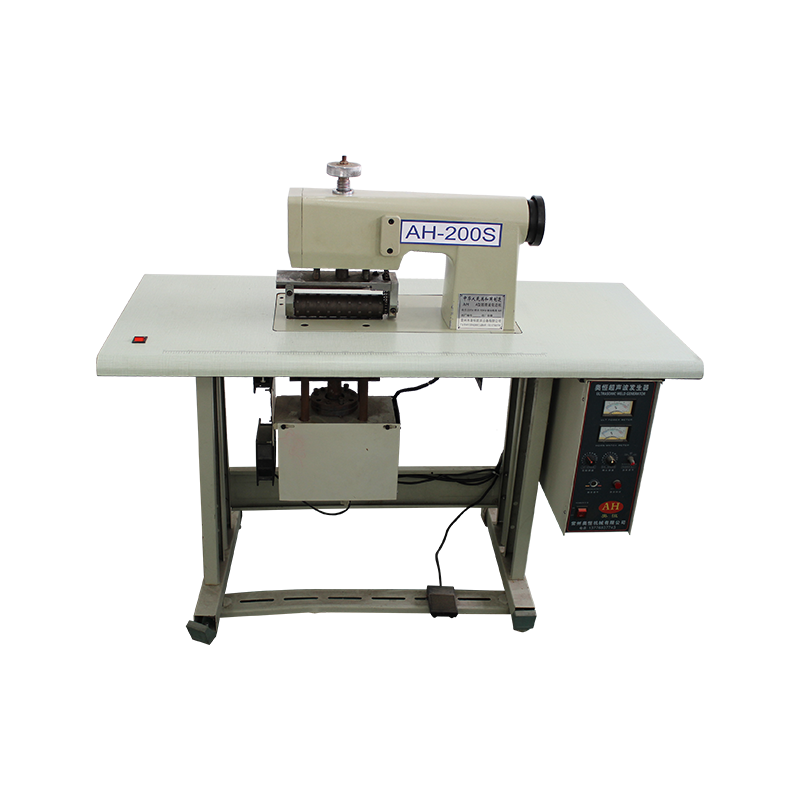
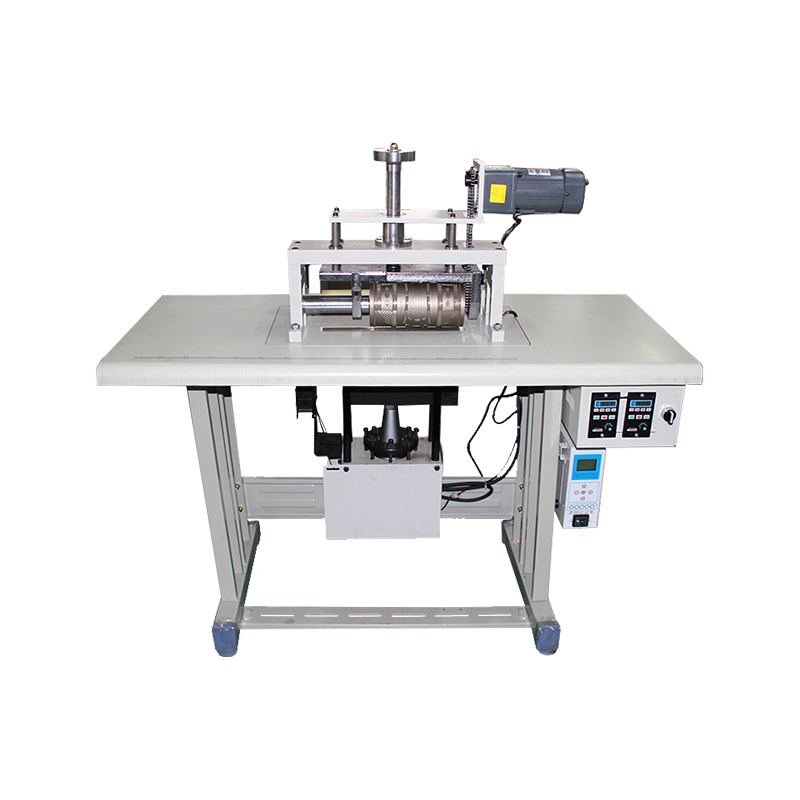
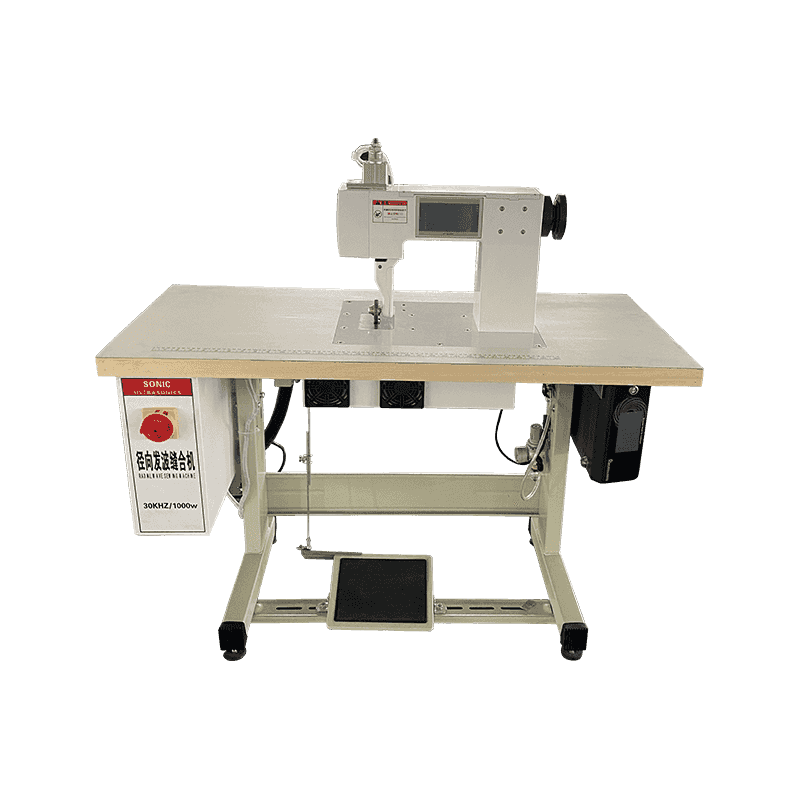
Understanding how ultrasonic machines achieve bonding helps clarify why they are so well-suited for disposable product manufacturing. The system consists of four main components working in sequence: a generator that converts standard electrical power into high-frequency electrical signals, a transducer (also called a converter) that transforms those electrical signals into mechanical vibrations, a booster that amplifies the vibration amplitude, and a sonotrode (or horn) that delivers the vibrations directly to the material surface under controlled pressure.
When the sonotrode contacts the nonwoven fabric, film, or other thermoplastic material, the ultrasonic energy causes molecular friction at the interface of the two layers being joined. Within milliseconds, the targeted area melts and consolidates under the applied pressure. Once the vibration stops, the material cools and solidifies, forming a weld that is often stronger than the surrounding material. The entire cycle — contact, weld, hold, release — can be completed in fractions of a second, enabling production speeds that traditional sewing or gluing cannot match.
The medical industry is one of the largest and most demanding users of disposable products ultrasonic machines. Medical disposables require bonds that are both mechanically strong and contamination-free, since any adhesive residue or loose fiber could compromise patient safety. Ultrasonic welding meets these requirements precisely because no foreign materials are introduced into the bond zone.
Surgical masks and N95-type respirators are manufactured almost exclusively with ultrasonic machines. The ear loops or head straps are welded directly onto the body of the mask using rotary or plunge ultrasonic welding, creating bonds strong enough to withstand the tension of regular wear without tearing the mask body. The nose wire pocket and the multilayer filter structure are also sealed using ultrasonic technology, ensuring an airtight fit and consistent filtration performance across every unit produced.
Disposable surgical gowns and sterile drapes rely on ultrasonic seaming to join panels of nonwoven SMS (spunbond-meltblown-spunbond) fabric. These seams must be fluid-resistant and strong enough to protect both patients and medical staff during procedures. Ultrasonic machines produce seams that are sealed at the fiber level, making them inherently liquid-proof without requiring lamination or coating — an important advantage in sterile manufacturing environments.
Wound care products such as dressings, bandage covers, and sterile packaging pouches are also assembled using ultrasonic bonding. The precise, controlled nature of ultrasonic welding allows manufacturers to create hermetic seals around sterile contents, ensuring that the packaging maintains its integrity from the point of manufacture to the point of use. This is critical for infection control in clinical settings.
Personal hygiene products represent another massive application area for disposable products ultrasonic machines. Items like diapers, adult incontinence products, and feminine hygiene pads involve multiple layers of different materials that must be joined quickly, precisely, and softly enough to remain comfortable against skin.
Modern baby diapers are highly engineered products consisting of a topsheet, absorbent core, backsheet, leg cuffs, elastic waistbands, and side tabs or side panels. Ultrasonic machines are used at multiple points on the diaper production line to attach elastic components, weld side panels to the chassis of the diaper, and seal the edges of the cuffs. Rotary ultrasonic systems operating at speeds exceeding 600 units per minute are common in high-volume diaper plants, demonstrating the exceptional throughput these machines deliver.
Sanitary pads and panty liners use ultrasonic bonding to join the topsheet to the backsheet along the perimeter of the product, effectively encasing the absorbent core. The bonding pattern — often a scalloped or dotted weld line — contributes to both aesthetics and functional performance by creating a soft, flexible edge that conforms to body contours. Ultrasonic machines allow these intricate patterns to be produced consistently at production line speeds.
Adult briefs and pull-on incontinence pants share many structural similarities with baby diapers and are produced on similar ultrasonic-equipped lines. The side seams of pull-on pants, in particular, are created by ultrasonic welding that is designed to be strong enough to hold the pant shape during wear but breakable by hand along the seam for easy removal — a functionality that ultrasonic bonding can be tuned to deliver with precision.
Disposable protective garments used in industrial, cleanroom, pharmaceutical, and food processing environments are another key application area. These garments must offer protection against particulates, chemicals, or biological hazards, and their seams must contribute to — not compromise — that protection.
Coveralls, boot covers, hair nets, and sleeve covers are all manufactured using ultrasonic seaming. The sealed seams produced by ultrasonic welding provide a barrier that conventional sewn seams cannot, since needle holes in sewn seams create pathways for particle or liquid penetration. In pharmaceutical cleanrooms and food processing facilities, this distinction is not merely a performance advantage — it is a regulatory requirement.
Ultrasonic machines are also widely used in the production of disposable packaging for food and consumer goods. In this context, the machines are used not to join fabric but to weld flexible films and laminates, creating seals for pouches, bags, and wrapping formats.
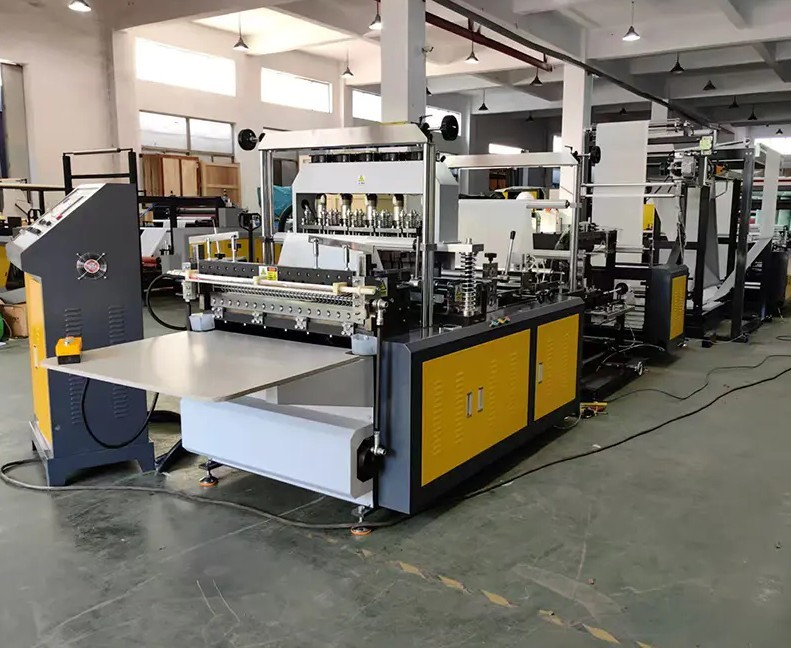
When evaluated against other bonding and sealing technologies, ultrasonic machines offer a compelling set of advantages that explain their dominance in disposable product manufacturing.
| Criteria | Ultrasonic Welding | Hot Air Bonding | Adhesive Bonding | Needle Sewing |
| Speed | Very High | High | Medium | Low to Medium |
| Hygiene | Excellent | Good | Variable | Poor |
| Bond Strength | High | Medium to High | Medium | High |
| Running Cost | Low | Medium | High | Medium |
| Pattern Flexibility | High | Low | Medium | High |
Choosing the right ultrasonic machine for a disposable product application requires careful evaluation of several technical and operational parameters. Purchasing an incorrectly specified machine leads to poor bond quality, frequent maintenance issues, and production inefficiencies.
Disposable products ultrasonic machines have become indispensable across a wide spectrum of industries, from medical device manufacturing and personal hygiene to food packaging and industrial protection. Their ability to produce strong, clean, contamination-free bonds at high production speeds — without adhesives or mechanical fasteners — makes them uniquely suited to the demands of modern disposable product manufacturing. As materials science continues to evolve and hygiene standards become increasingly stringent, ultrasonic technology will only grow in relevance and application breadth. Manufacturers who invest in understanding and optimizing their ultrasonic welding processes will be well-positioned to deliver high-quality disposable products that meet both market expectations and regulatory requirements.

Copyright © ChangZhou AoHeng Machinery Co., Ltd. All Rights Reserved