English
 中文简体
中文简体 русский
 Español
Home / Blog / Industry News / What Are the Different Types and Uses of Ultrasonic Textile Slitting Machines?


Request A Quote

Content
An Ultrasonic Textile Slitting Machine is a specialized piece of equipment designed to cut and slit textile materials using high-frequency ultrasonic vibrations instead of conventional blades alone. This advanced technology has become increasingly important in modern textile manufacturing because it provides clean, precise cuts while simultaneously sealing the edges of synthetic fabrics. As textile products become more sophisticated and quality requirements continue to rise, ultrasonic slitting technology offers manufacturers an efficient solution for improving productivity and product quality.
Unlike traditional cutting methods that rely entirely on mechanical force, ultrasonic systems convert electrical energy into high-frequency vibrations. These vibrations generate localized heat through friction, allowing textile materials to be cut accurately with minimal fraying. The technology is particularly effective when processing synthetic fabrics such as polyester, nylon, polypropylene, and blended materials commonly used in industrial and consumer textile products.
Understanding the classification and practical uses of Ultrasonic Textile Slitting Machines helps manufacturers choose the most suitable equipment for their production requirements. Different machine designs serve specific applications, fabric types, and production volumes, making proper selection essential for maximizing operational efficiency.
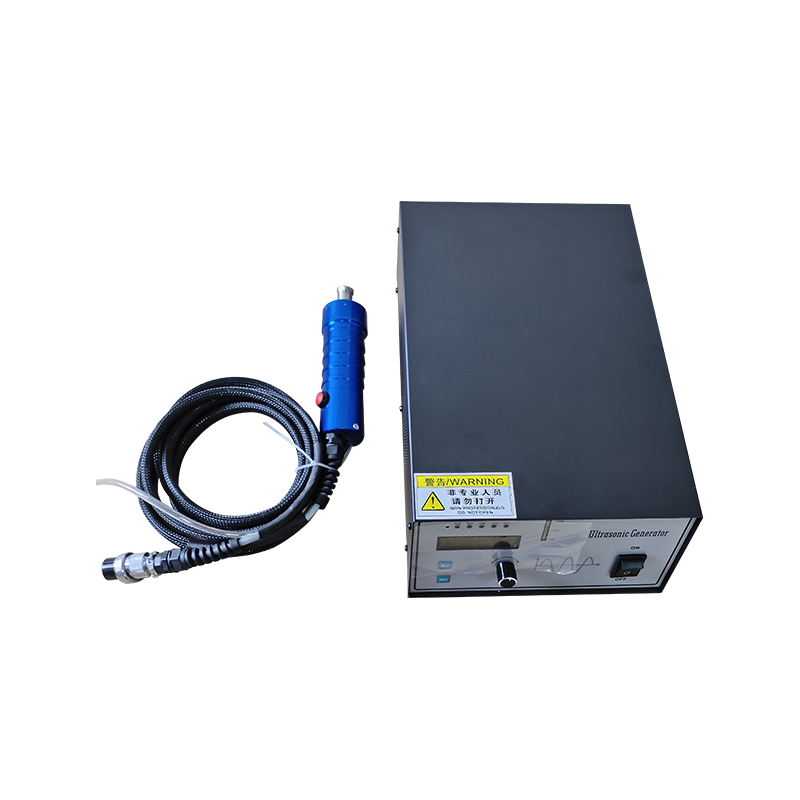
The operating principle of an Ultrasonic Textile Slitting Machine is based on high-frequency mechanical vibrations generated by an ultrasonic system. A typical machine consists of a generator, transducer, booster, horn, and cutting wheel. The generator converts standard electrical power into high-frequency electrical signals, which are then transformed into mechanical vibrations by the transducer.
These vibrations are transmitted through the booster and horn to the cutting tool. When the vibrating tool contacts the textile material, rapid molecular friction creates localized heat that allows the fabric to be cut and sealed simultaneously. This process minimizes edge damage while producing smooth and consistent cutting results.
Because the heat is generated only at the cutting point, the surrounding material remains largely unaffected. This precise energy control helps preserve fabric properties and reduces defects associated with conventional thermal cutting methods.
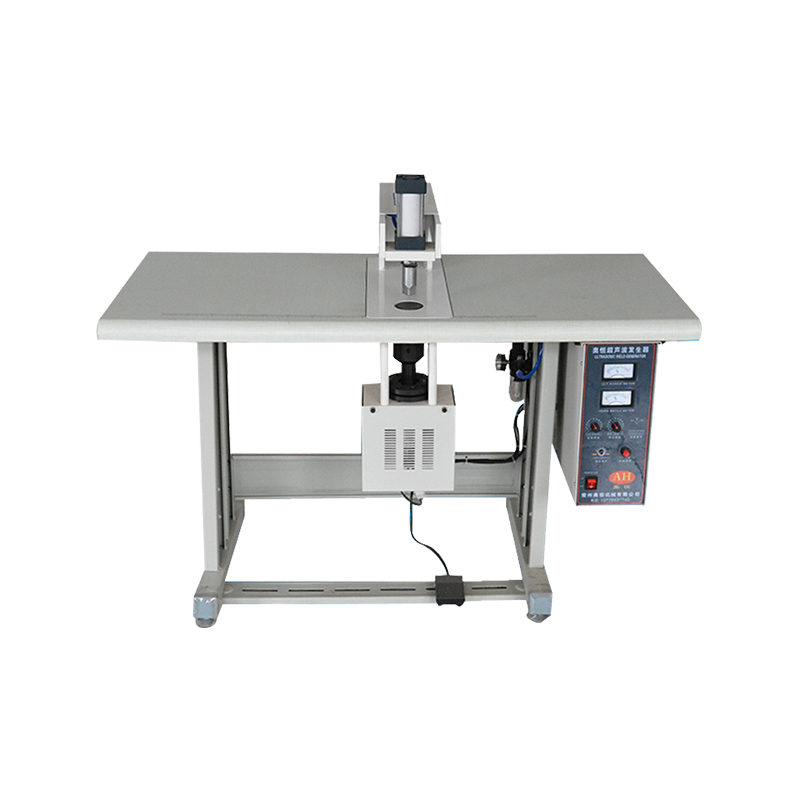
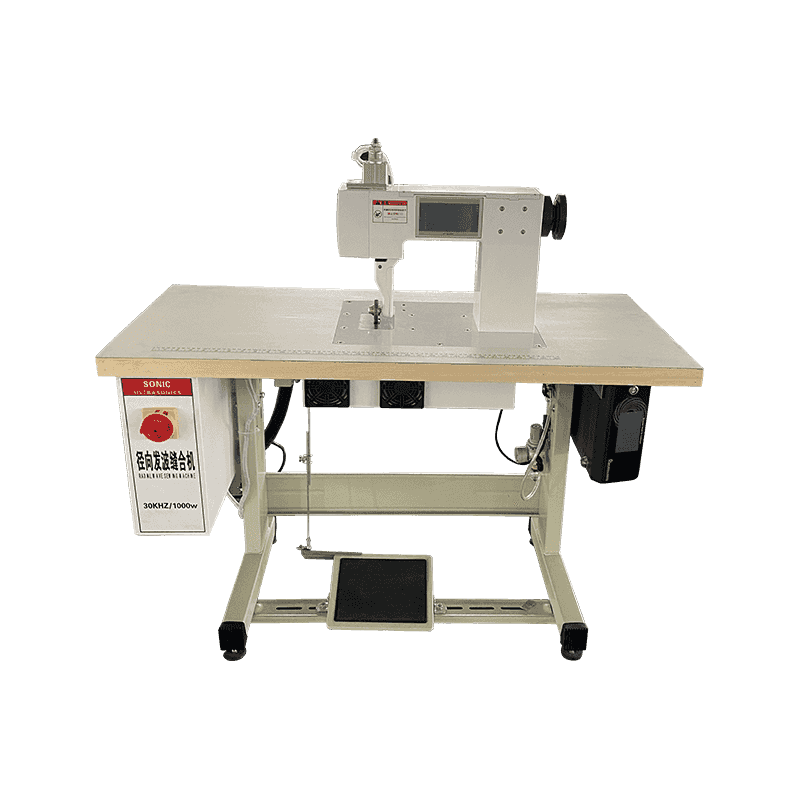
Manual models are commonly used for small-scale production, product development, sampling, and specialized manufacturing tasks. Operators guide the material and cutting process directly, providing flexibility for custom work and short production runs.
These machines are often selected by workshops, laboratories, and businesses that require occasional cutting operations without investing in large automated systems. Their relatively low cost and ease of operation make them attractive for smaller manufacturers.
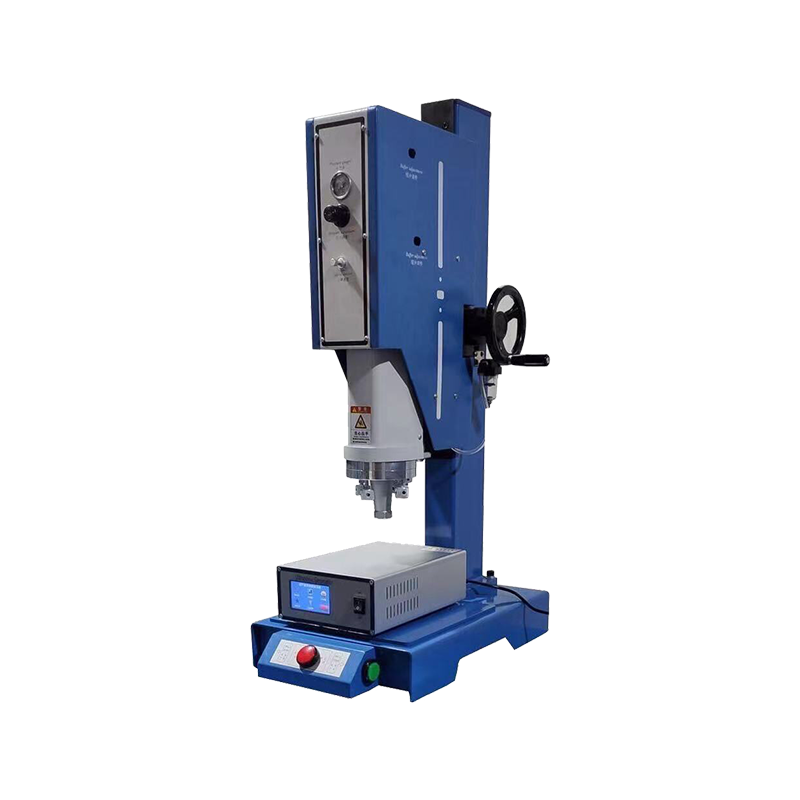
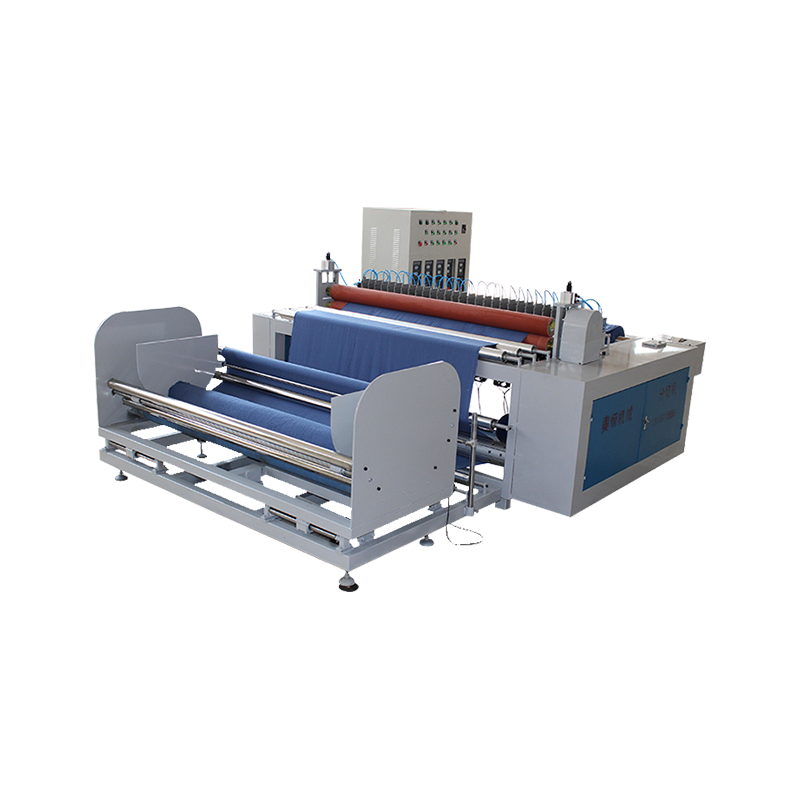
Semi-automatic machines combine manual material handling with automated cutting functions. Operators load and position materials while the machine controls cutting speed, ultrasonic frequency, and slitting accuracy.
These systems offer a balance between affordability and productivity. They are widely used by medium-sized textile manufacturers that require consistent quality while maintaining operational flexibility.
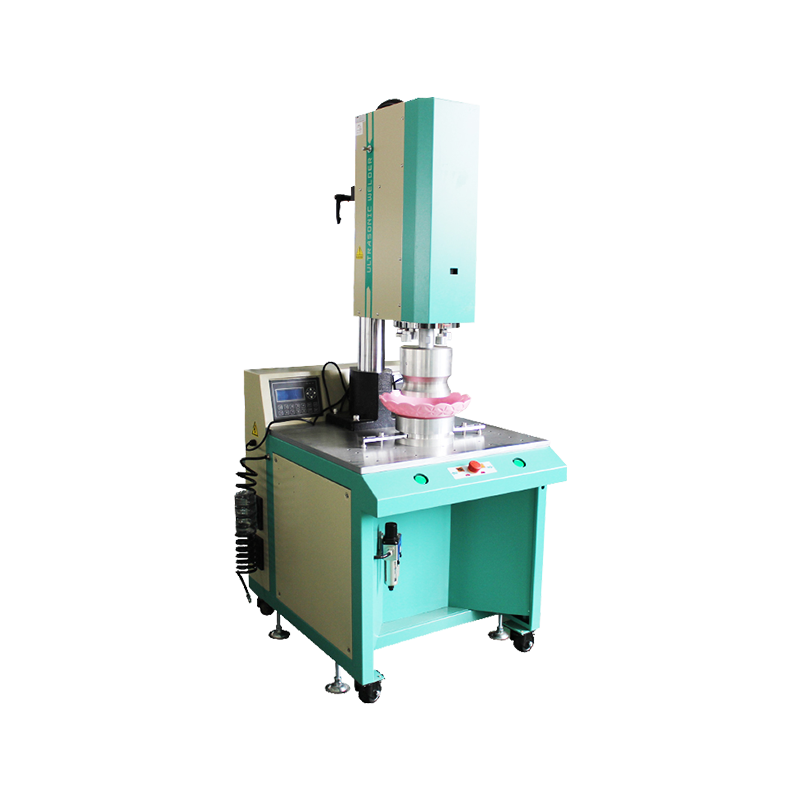
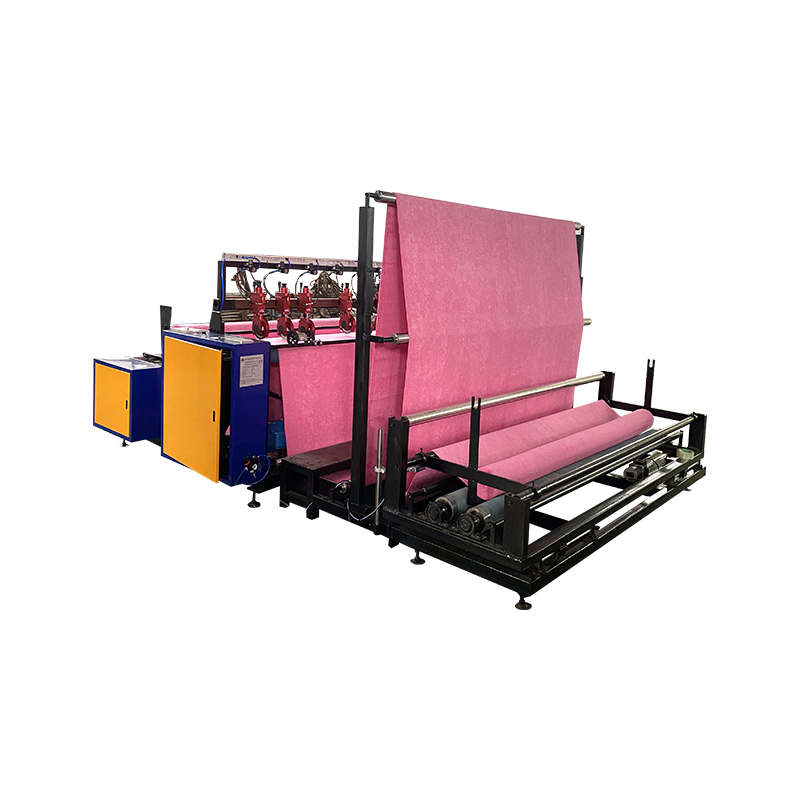
Fully automatic systems are designed for continuous industrial production. They integrate feeding, guiding, slitting, winding, and tension control into a single automated workflow. Advanced control systems ensure precise cutting widths and consistent product quality throughout extended production runs.
Large textile manufacturers often utilize these machines to process high volumes of materials efficiently while minimizing labor requirements and production costs.
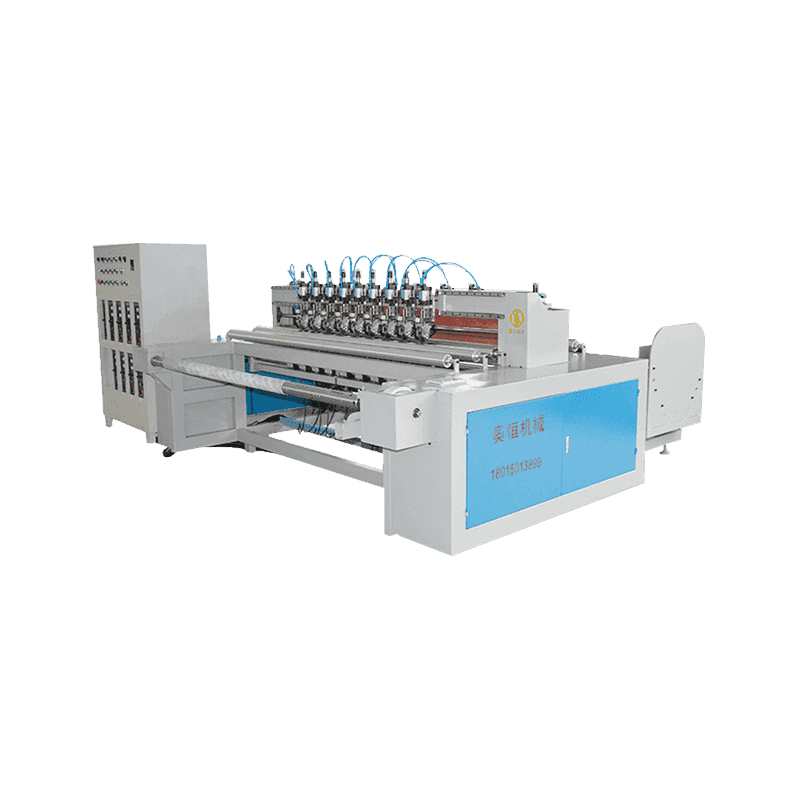
Multi-lane machines are engineered to slit multiple strips simultaneously. By processing several cutting lanes at once, these systems significantly increase productivity and reduce manufacturing time.
This classification is particularly beneficial for producing narrow textile strips, ribbons, webbing products, and technical textile components where large quantities are required.
Ultrasonic Textile Slitting Machines can also be categorized according to the materials they are designed to process.
| Machine Category | Suitable Materials | Common Applications |
| Synthetic Fabric Slitting | Polyester, Nylon | Garments, Home Textiles |
| Nonwoven Fabric Slitting | PP, PET Nonwovens | Medical, Hygiene Products |
| Industrial Textile Slitting | Technical Fabrics | Filtration, Automotive |
| Ribbon and Tape Slitting | Synthetic Tapes | Packaging, Decoration |
This classification helps manufacturers identify equipment that best matches their production materials and quality requirements.
Ultrasonic slitting technology is extensively used in garment production. The ability to cut and seal synthetic fabrics simultaneously eliminates fraying and improves the appearance of finished products. Sportswear, outdoor apparel, lingerie, and performance garments often benefit from ultrasonic cutting because clean edges contribute to both aesthetics and durability.
Manufacturers of curtains, bedding, upholstery fabrics, and decorative textiles use ultrasonic slitting machines to achieve precise dimensions and neat edges. The technology supports efficient processing while maintaining high-quality finishing standards.
Medical nonwoven fabrics require clean and contamination-free processing. Ultrasonic slitting machines are commonly used to manufacture surgical gowns, face masks, disposable protective clothing, and hygiene products. The sealed edges help prevent fiber shedding and improve product performance.
Automotive manufacturers utilize ultrasonic slitting technology for interior fabrics, insulation materials, seat coverings, and technical textile components. Precise cutting contributes to consistent assembly quality and efficient production workflows.
Industrial textiles used in filtration systems, conveyor belts, geotextiles, and reinforcement materials often require highly accurate slitting. Ultrasonic technology ensures dimensional consistency while minimizing material waste.
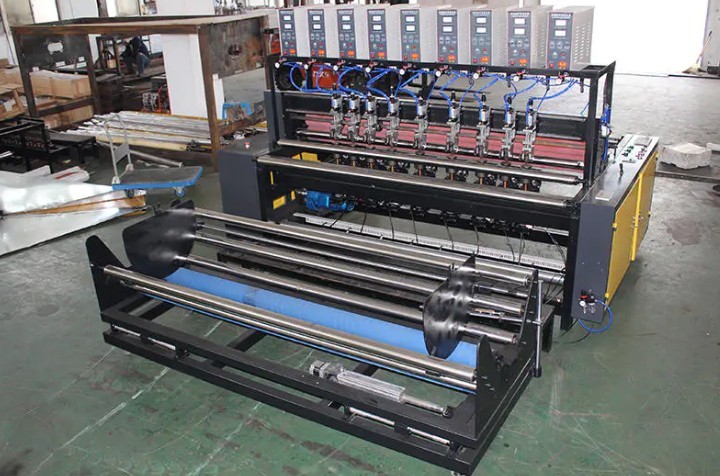
The growing adoption of ultrasonic slitting equipment is driven by several significant operational advantages.
These benefits help manufacturers achieve better quality control while reducing production costs over time.
Selecting the appropriate machine requires careful evaluation of production needs and material characteristics. Several factors should be considered before making an investment.
A detailed assessment of these factors can help ensure that the selected machine delivers optimal performance and return on investment.
As textile manufacturing becomes increasingly automated, ultrasonic slitting technology continues to evolve. Modern machines are incorporating intelligent control systems, real-time monitoring capabilities, automated tension adjustment, and digital production management features.
Industry 4.0 integration allows manufacturers to collect production data, optimize machine performance, and reduce downtime. Improved ultrasonic generators and more durable cutting components are also enhancing reliability and energy efficiency.
Sustainability considerations are further driving innovation. By reducing material waste and improving processing efficiency, ultrasonic textile slitting machines support environmentally responsible manufacturing practices while maintaining high production standards.
Ultrasonic Textile Slitting Machines play a crucial role in modern textile processing by delivering precise cutting, clean edge sealing, and improved production efficiency. Their classifications range from manual and semi-automatic systems to fully automated and multi-lane industrial machines, each designed to meet specific manufacturing requirements.
The technology serves a wide range of industries including apparel, home textiles, medical products, automotive manufacturing, and technical textiles. With ongoing advancements in automation, digital control, and energy efficiency, ultrasonic slitting machines are expected to remain an essential component of high-quality textile production for years to come.

Copyright © ChangZhou AoHeng Machinery Co., Ltd. All Rights Reserved