English
 中文简体
中文简体 русский
 Español
Home / Blog / Industry News / How Does a Disposable Non Woven Shoe Cover Making Machine Automate Your Production Line?


Request A Quote

Content
A disposable non woven shoe cover making machine is a specialized piece of industrial equipment designed to automatically cut, shape, and seal non woven fabric into finished shoe covers ready for packaging. These machines are the backbone of modern protective wear manufacturing, serving industries such as food processing, pharmaceuticals, cleanrooms, medical facilities, and construction sites. Rather than relying on manual labor for repetitive cutting and stitching tasks, manufacturers use these automated systems to dramatically increase throughput while maintaining consistent product quality.
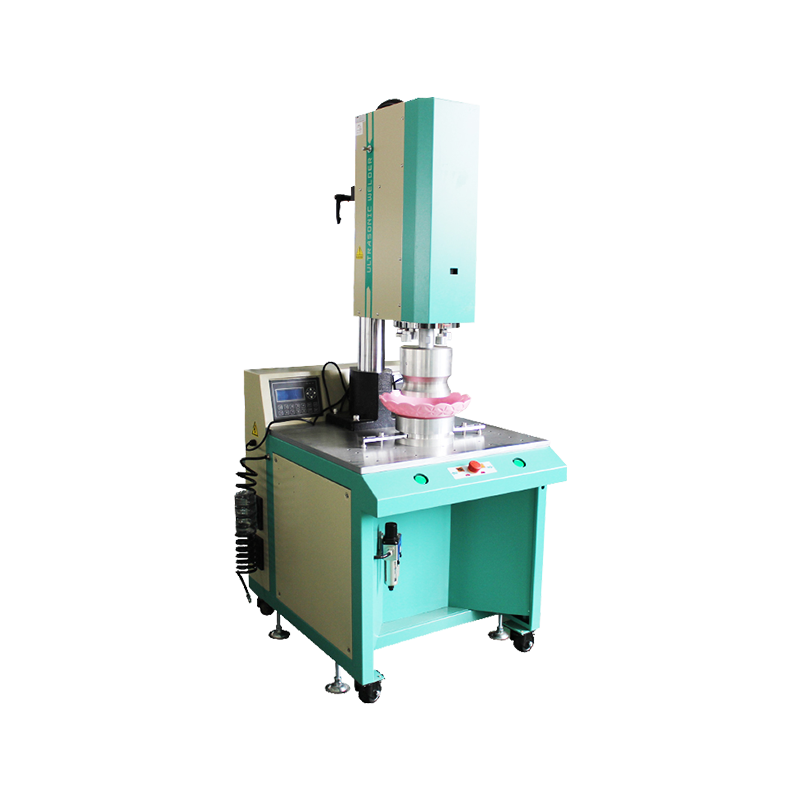
The machine operates by feeding rolls of non woven polypropylene fabric — typically spunbonded or SMS (Spunbond-Meltblown-Spunbond) material — through a series of mechanical stations that perform cutting, ultrasonic welding or heat sealing, and edge finishing. The entire cycle from raw fabric to a finished pair of shoe covers can take less than two seconds on high-speed models, enabling daily output figures that are simply unachievable through manual methods.
Understanding the internal architecture of a shoe cover making machine helps operators optimize performance and troubleshoot issues efficiently. Each major subsystem plays a distinct role in the automated production flow.
The fabric feeding unit unrolls material from large spools and advances it through the machine at a controlled, consistent tension. Servo-driven rollers ensure the fabric moves at precisely the right speed to synchronize with downstream cutting and sealing stations. Any inconsistency in feed tension can cause misalignment, wasted material, or defective products, so high-end machines incorporate automatic tension controllers and fabric edge guides.
Die-cutting blades or rotary knives shape the flat fabric into the contoured profile of a shoe cover. The cutting molds are interchangeable, allowing manufacturers to switch between different shoe cover sizes — from small children's sizes to large industrial boots — by swapping the die set. Modern machines use hardened steel molds with tolerances measured in fractions of a millimeter to ensure every cut piece is dimensionally identical.
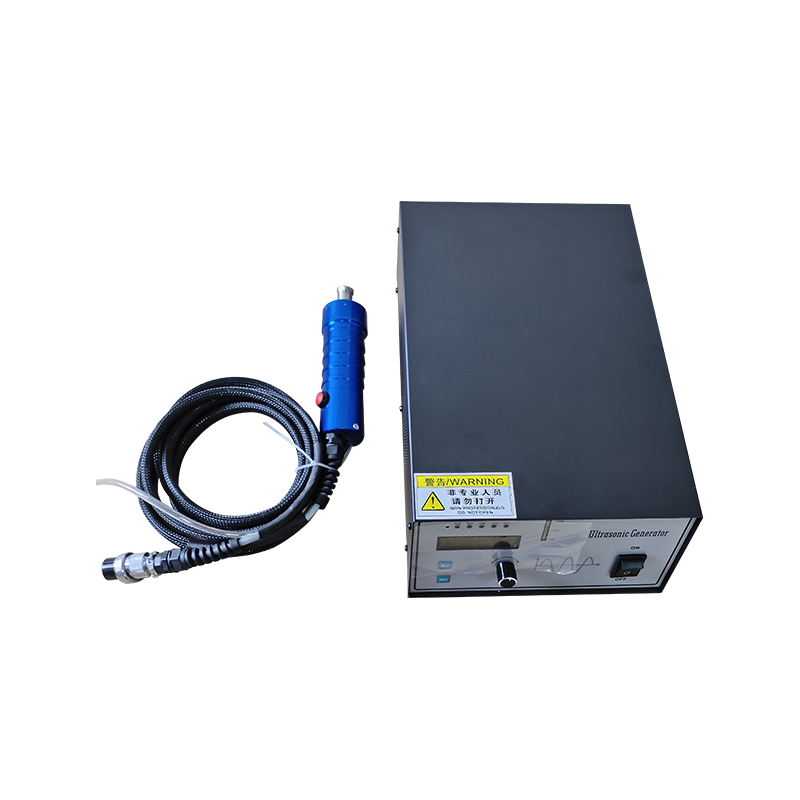
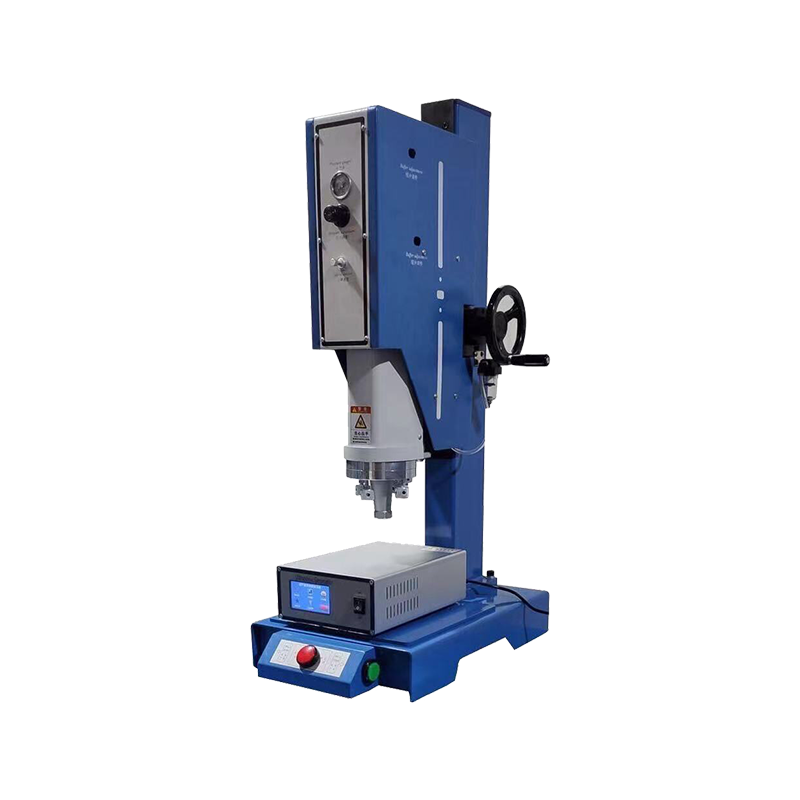
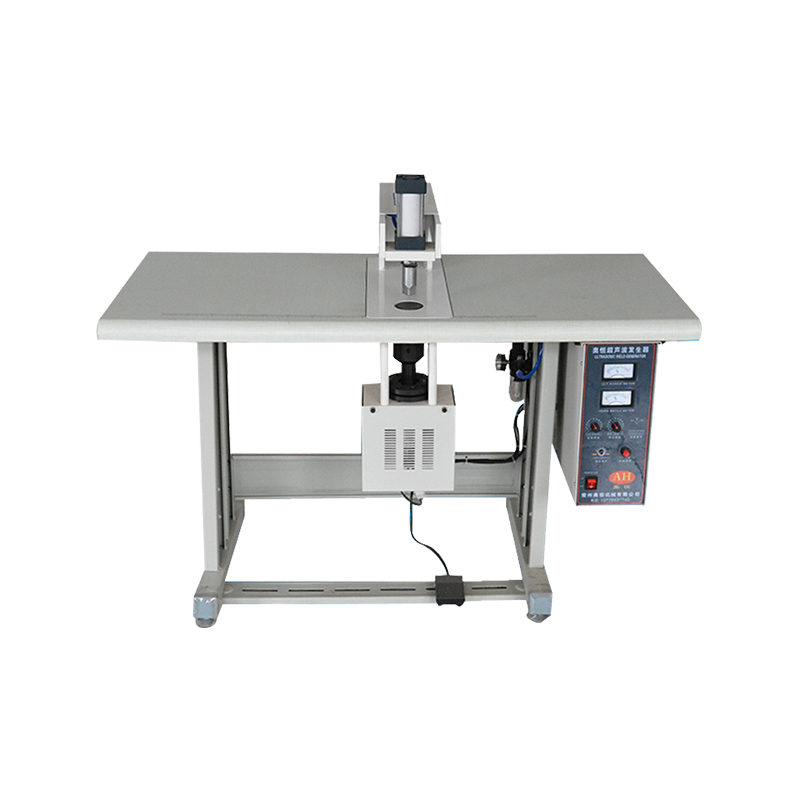
After cutting, the fabric pieces are joined at the seams using either ultrasonic welding or thermal heat sealing. Ultrasonic welding uses high-frequency vibration to fuse fibers together without adhesives, producing strong, waterproof seams that do not fray. Heat sealing presses heated dies against the fabric at precise temperatures and pressures. Both methods are faster and stronger than conventional stitching, and they leave no thread ends that could contaminate sterile environments.
An integrated elastic feeder automatically inserts and attaches elastic bands around the cuff of each shoe cover. The elastic is guided from a spool, cut to length, and sewn or ultrasonically welded into the cuff opening in a single continuous motion. This eliminates a separate manual assembly step that was historically one of the most labor-intensive parts of shoe cover production.
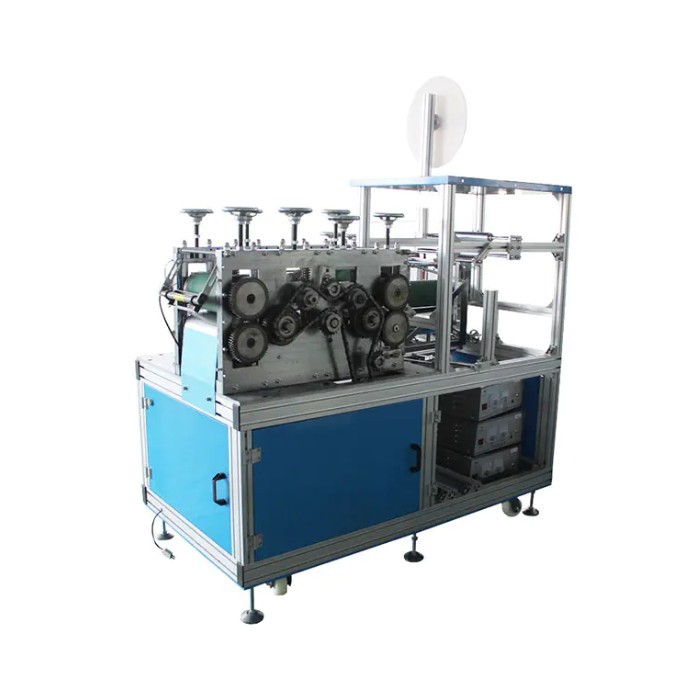
Modern disposable non woven shoe cover making machines come equipped with automation technologies that go far beyond simple mechanical repetition. These features directly address the pain points of manufacturers: labor costs, product consistency, material waste, and production flexibility.
Choosing the right machine requires comparing output capacity, material compatibility, power requirements, and footprint. The table below summarizes typical specifications across entry-level, mid-range, and high-speed production models.
| Specification | Entry-Level | Mid-Range | High-Speed |
| Output (pairs/min) | 30–50 | 80–120 | 150–200+ |
| Fabric Width (mm) | Up to 300 | Up to 450 | Up to 600 |
| Power Consumption (kW) | 2–4 | 5–8 | 10–15 |
| Control System | Basic PLC | PLC + HMI | Servo + PLC + Vision |
| Operators Required | 2–3 | 1–2 | 1 |
The type of non woven fabric selected for shoe cover production directly influences machine settings, seam strength, and the final product's barrier performance. Spunbond polypropylene (PP) in weights ranging from 15 gsm to 40 gsm is the most widely used material. Lighter weights (15–20 gsm) produce ultra-thin, economical shoe covers suited for general cleanroom use, while heavier weights (30–40 gsm) create more durable covers with better abrasion resistance for industrial or medical applications.
SMS and SMMS composite fabrics add a meltblown layer that provides liquid and particulate barrier properties, making them preferable for surgical environments or food processing where contamination control is critical. When switching fabric types, operators must recalibrate sealing temperature and pressure settings, as meltblown layers require lower heat to avoid damage. Machines with recipe storage on the HMI allow these transitions to be completed in minutes rather than hours of manual adjustment.
One of the most compelling arguments for investing in a non woven shoe cover making machine is the measurable return on investment. A manual production team of five workers producing 1,500 pairs per hour generates significant labor costs, whereas a single mid-range machine staffed by one operator can produce 4,800–7,200 pairs per hour — a four-to-five-fold increase in output with 80% fewer labor hours.
Beyond raw output, automated machines reduce material waste through precision cutting. Manual cutting typically generates 8–12% fabric scrap, while machine cutting reduces this to 3–5%, directly lowering raw material costs per unit. Combined with reduced defect rates — machines maintain tolerances impossible for hand assembly — most manufacturers report full payback on mid-range machines within 12 to 24 months of operation at standard production volumes.
Consistent preventive maintenance is essential to keeping a shoe cover making machine running at peak efficiency. Neglecting routine service tasks leads to accelerated blade wear, sealing inconsistencies, and unplanned downtime that erodes production targets.
When sourcing a disposable non woven shoe cover making machine, evaluating the supplier's after-sales support capability is just as important as comparing technical specifications. Look for manufacturers who provide on-site installation and commissioning, operator training, a documented spare parts availability commitment of at least five years, and remote diagnostic support via Ethernet or VPN connections to the machine's PLC.
Request production trials with your specific fabric materials before finalizing a purchase. Reputable suppliers will run sample batches on their demonstration machines and provide certified output data including seam peel strength test results, dimensional tolerance reports, and cycle time logs. This due diligence prevents costly mismatches between machine capability and your actual production requirements, ensuring that the automation investment delivers the efficiency gains and product quality your customers demand from day one of operation.

Copyright © ChangZhou AoHeng Machinery Co., Ltd. All Rights Reserved