English
 中文简体
中文简体 русский
 Español
Home / Blog / Industry News / What Requirements Must a Disposable Non Woven Shoe Cover Making Machine Meet?


Request A Quote

Content
A disposable non woven shoe cover making machine is designed to automatically produce shoe covers from non woven fabric rolls — the kind widely used in hospitals, cleanrooms, food processing facilities, construction sites, and households. These machines must convert raw polypropylene spunbond non woven fabric into finished, elastic-edged shoe covers at high speed while maintaining consistent dimensional accuracy and structural integrity. Understanding what requirements such a machine must fulfill helps buyers, manufacturers, and quality control teams make informed decisions and avoid costly mistakes.
The requirements span multiple dimensions: raw material compatibility, mechanical performance, automation level, product quality standards, safety compliance, energy consumption, and after-sales support. Each of these areas must be carefully evaluated before selecting or commissioning a machine for production.
The machine must be compatible with a defined range of non woven fabric specifications. Most disposable shoe cover machines are designed to process spunbond polypropylene (PP) non woven fabric, which is the dominant material in the disposable shoe cover industry due to its low cost, light weight, and adequate barrier properties.
A machine that cannot reliably process materials within the required specification range will produce defective shoe covers — weak seams, uneven elastic tension, or inconsistent sizing — making material compatibility a foundational requirement.
Output speed is one of the most commercially critical requirements. Industrial buyers typically specify minimum production rates to justify the machine investment and meet order volume targets.
Standard fully automatic disposable non woven shoe cover machines should be capable of producing between 30 and 80 pairs per minute, depending on the size of the shoe cover, the complexity of the sealing method, and the machine's mechanical design. High-end models with dual-lane configurations can reach 100 pairs per minute or more.
Requirements for production speed should also account for:
The method used to seal the shoe cover seams and attach the elastic is critical to both product quality and machine performance. There are two primary technologies used in modern non woven shoe cover machines, and each carries specific requirements.
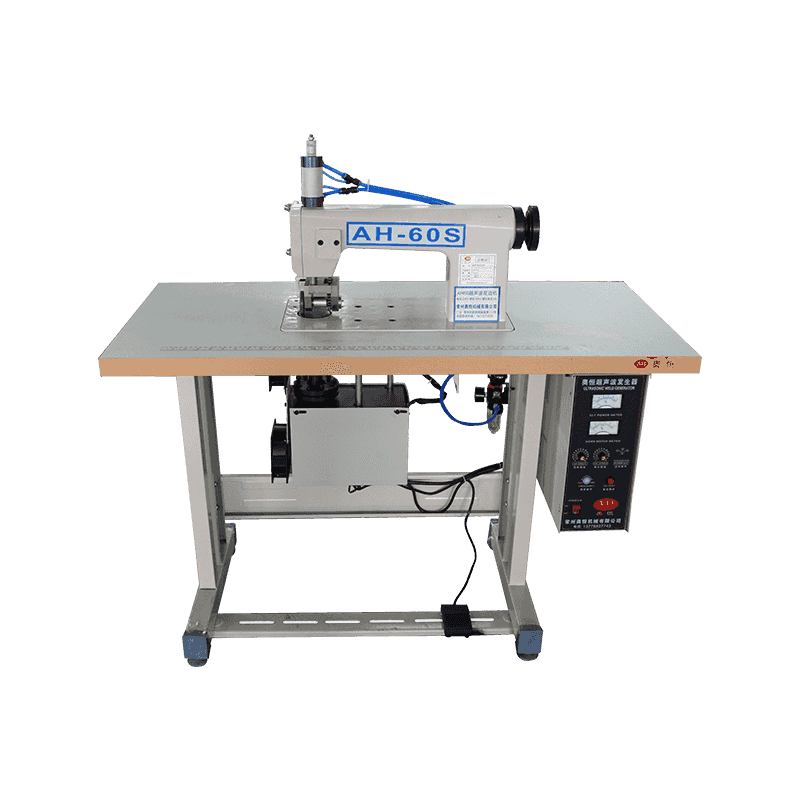
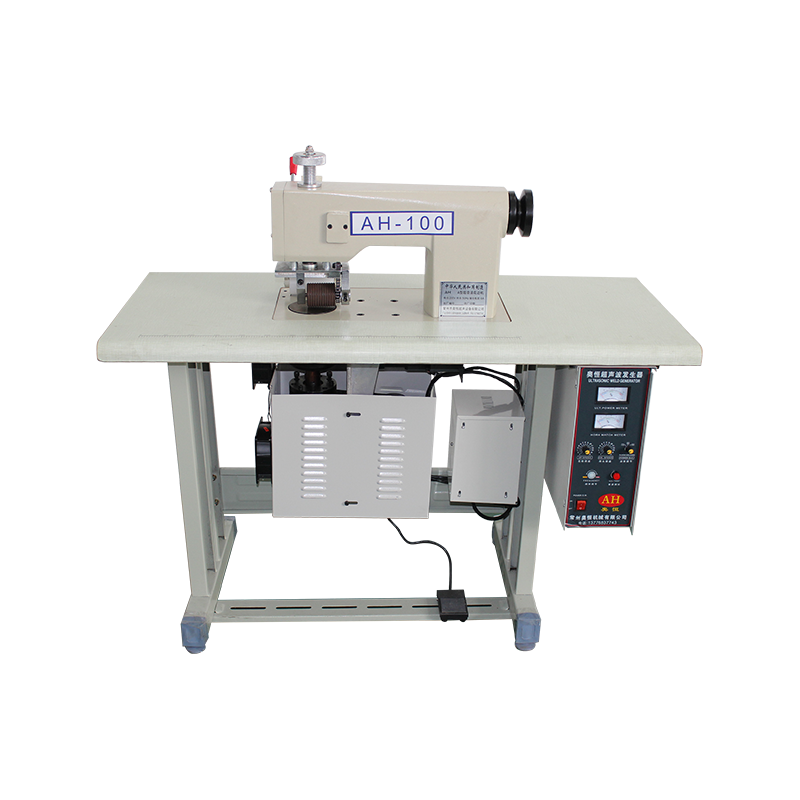
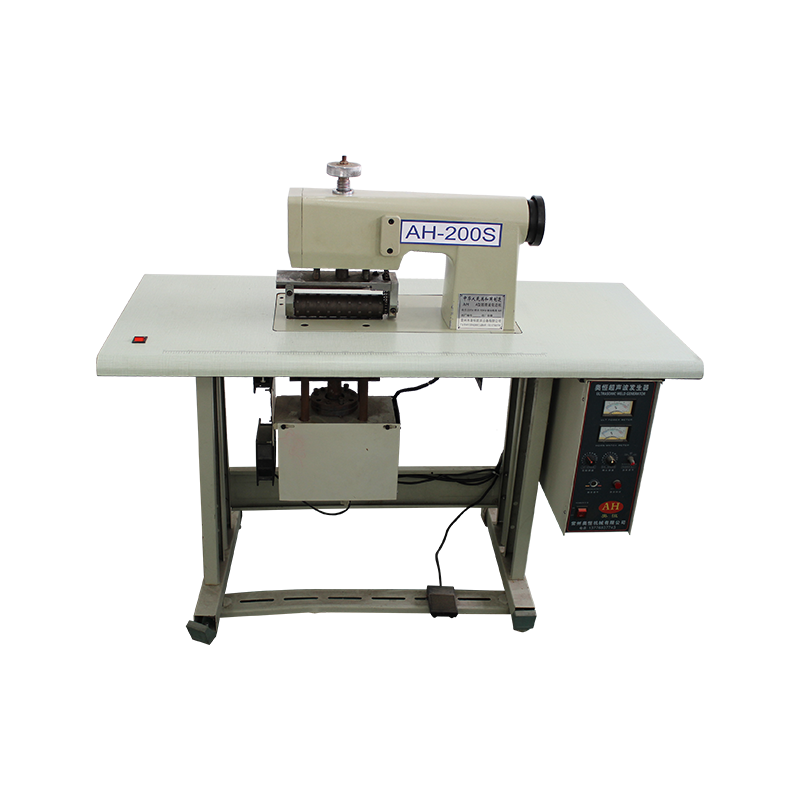
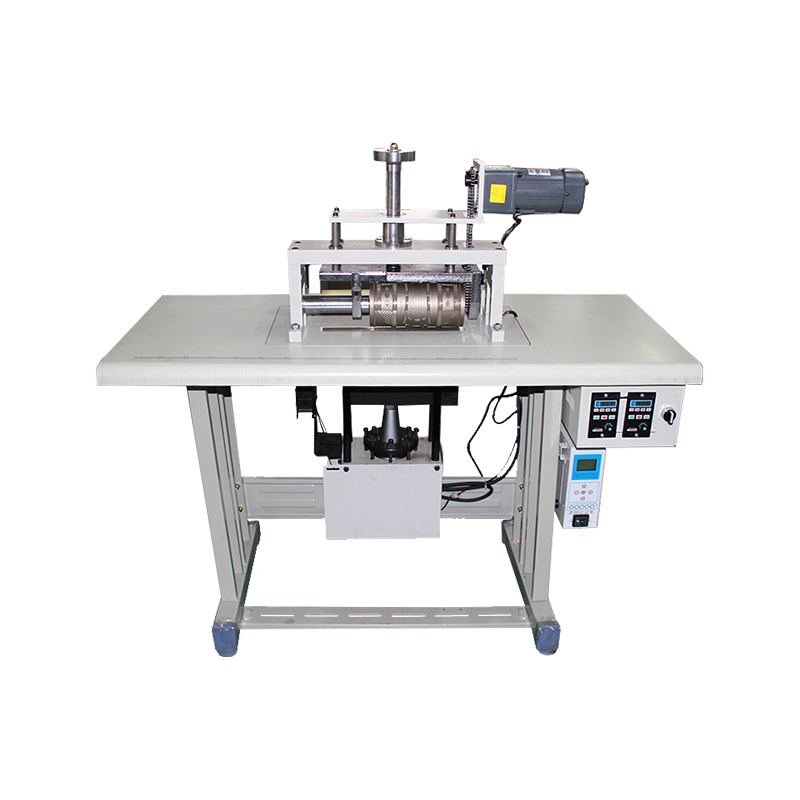
Ultrasonic welding uses high-frequency vibration to fuse non woven layers together without adhesives or thread. The machine must maintain consistent ultrasonic frequency (typically 20kHz or 15kHz) and amplitude across all welding points. The welding horn must apply uniform pressure, and the machine must include automatic compensation for horn wear over time. Seam strength must meet a minimum peel force — typically 10N or higher for standard shoe covers.
Heat sealing uses temperature-controlled heating elements to bond non woven fabric layers. The machine must maintain precise temperature stability (±5°C or better) across the full sealing bar width to prevent weak seams or material burning. Heat sealing is more common on lower-cost machines and is generally suitable for lighter fabric weights.
Regardless of the method used, the bonded seam must withstand the physical stress of being worn and removed without delaminating, tearing, or losing elastic tension.
Every shoe cover produced must fall within specified dimensional tolerances. A machine that produces shoe covers with inconsistent length, width, or elastic tension will generate a high defect rate and fail quality audits from buyers in regulated sectors such as healthcare or electronics manufacturing.
| Quality Parameter | Typical Requirement |
|---|---|
| Shoe cover length tolerance | ±5mm |
| Width tolerance | ±3mm |
| Seam peel strength | ≥10N |
| Elastic stretch uniformity | ±3mm opening diameter variation |
| Defect rate | Below 0.5% in continuous operation |
The machine must include a cutting system — typically a rotary blade or die-cut mechanism — that produces clean, burr-free edges consistently. Blade wear compensation or automatic blade replacement reminders are important features in machines intended for long production runs.
Modern disposable non woven shoe cover machines are expected to operate with a high degree of automation. Manual intervention should be limited to material loading, parameter adjustment, and maintenance tasks. The control system requirements include:
A disposable non woven shoe cover making machine must meet applicable safety standards for industrial machinery. Key safety requirements include:
For buyers supplying shoe covers into regulated markets such as the EU or North America, the finished product must also comply with relevant standards (e.g., EN 13795 for surgical barrier products, or ASTM standards for cleanroom use). The machine's process parameters must be capable of producing shoe covers that pass these product-level compliance tests.
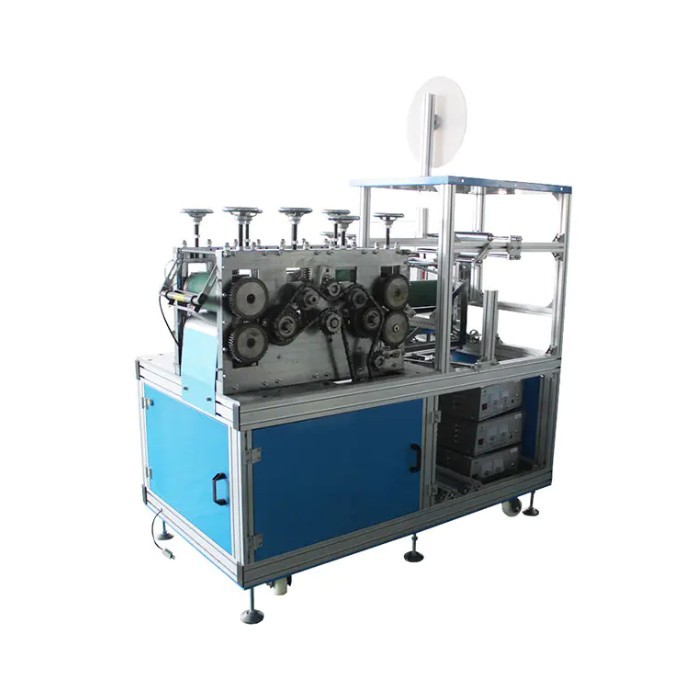
Long-term operational reliability depends heavily on how easy the machine is to maintain and how well the supplier supports it after delivery. Buyers should ensure the machine meets the following serviceability requirements:
Selecting a machine that meets all of these requirements — from material compatibility and output speed through to safety compliance and serviceability — ensures a reliable, efficient, and commercially viable production operation for disposable non woven shoe covers.

Copyright © ChangZhou AoHeng Machinery Co., Ltd. All Rights Reserved