English
 中文简体
中文简体 русский
 Español
Home / Blog / Industry News / How Does an Automatic Ultrasonic Quilting Machine Work and Why Should You Use One?


Request A Quote

Content
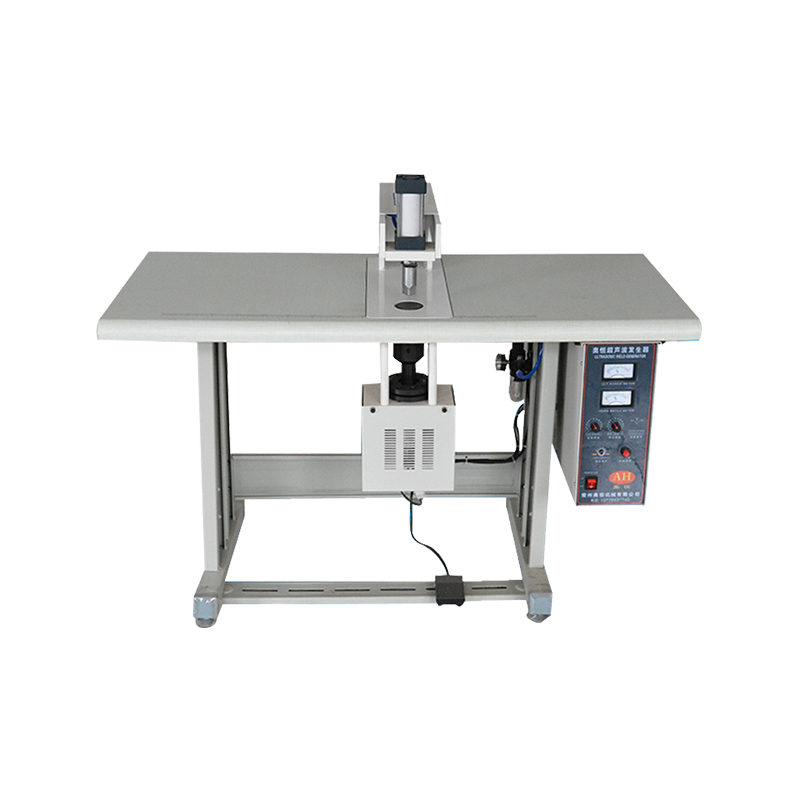
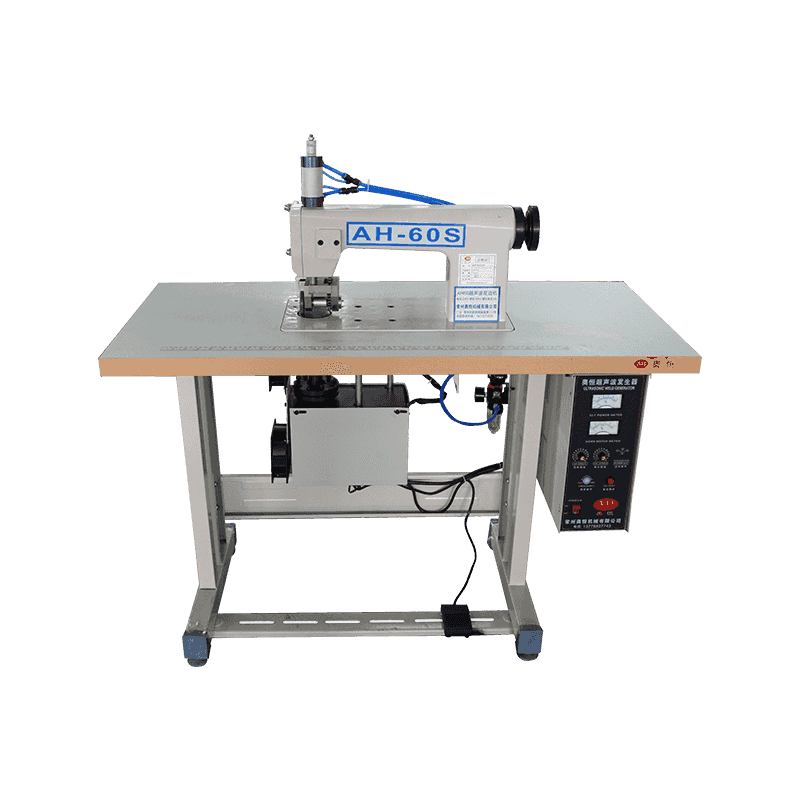
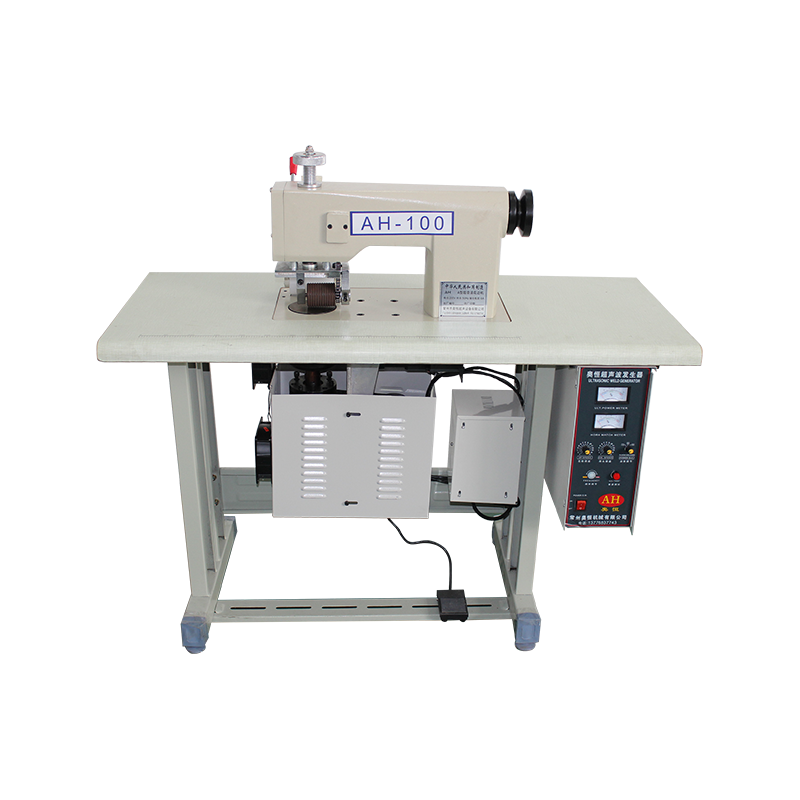
An automatic ultrasonic quilting machine is an advanced textile processing system that uses high-frequency ultrasonic vibrations to bond, cut, and emboss layers of fabric without the use of needles, thread, or adhesives. Unlike conventional quilting machines that rely on mechanical stitching to join fabric layers, ultrasonic quilting machines transmit vibrational energy through a titanium or aluminum horn — also called a sonotrode — that converts electrical energy into rapid mechanical oscillations, typically operating at frequencies between 20 kHz and 40 kHz. When the vibrating horn presses against the fabric layers over a patterned roller or anvil wheel, the localized friction generates heat at the contact points, melting and fusing the synthetic fibers together to create a secure, uniform bond.
The "automatic" designation refers to the machine's capacity to perform quilting operations with minimal manual intervention. Modern automatic ultrasonic quilting machines are equipped with programmable logic controllers (PLCs), servo-driven feed systems, and computerized pattern management software that allow operators to set precise parameters — including welding pressure, feed speed, pattern selection, and output dimensions — and run continuous production with consistent results. This level of automation dramatically increases throughput while reducing labor dependency and human error, making these machines a cornerstone technology in high-volume textile manufacturing environments.
To fully appreciate the value of ultrasonic quilting technology, it helps to understand how it diverges from conventional needle-and-thread quilting. Traditional quilting machines use mechanical needles and bobbins to stitch through multiple fabric layers, creating decorative and structural patterns. While effective, this method comes with inherent limitations: thread breakage, needle deflection, inconsistent stitch tension, and the need for regular maintenance of threading components. Additionally, the holes created by needle penetration can compromise the integrity of waterproof or barrier fabrics used in technical applications.
Ultrasonic quilting eliminates all of these concerns. Because the bonding process is entirely heat-fusion based, there are no threads to break, no needles to replace, and no stitch tension to calibrate. The fabric layers are fused at the molecular level within the synthetic fiber structure, producing a bond that is often stronger and more uniform than a sewn seam. For manufacturers working with nonwoven fabrics, polyester, polypropylene, or other thermoplastic materials, ultrasonic quilting represents a technically superior alternative to conventional stitching.
The market offers several distinct configurations of automatic ultrasonic quilting machines, each designed to address specific production requirements, fabric types, and output volumes. Understanding the differences between these types helps manufacturers select the most appropriate system for their operation.
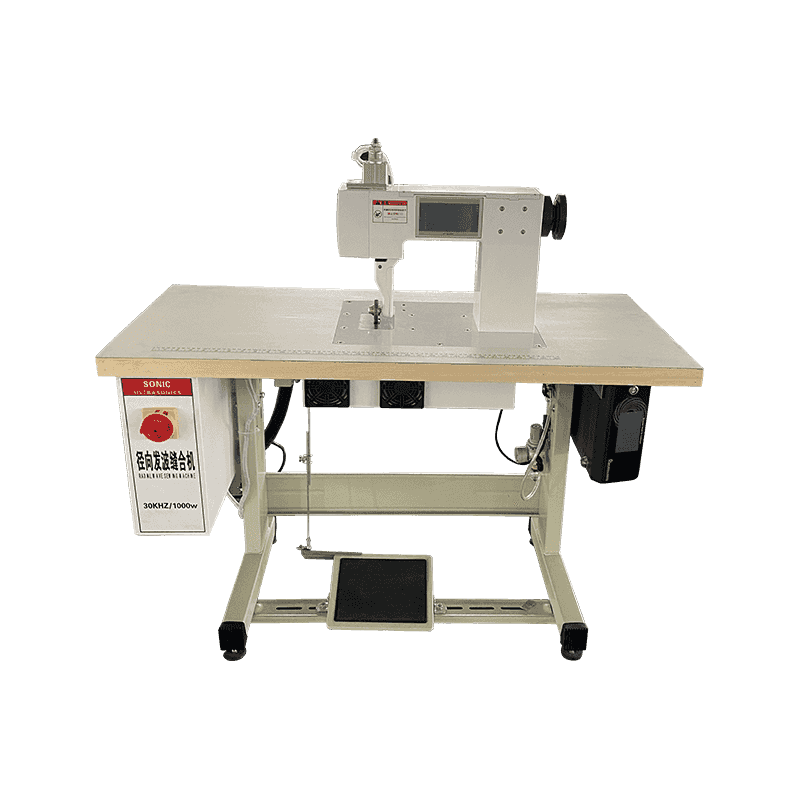
The single-head configuration features one ultrasonic horn assembly mounted above a patterned anvil roller. This type is well-suited for small to medium production runs, sample development, and operations where pattern flexibility is a priority. Single-head machines are more compact, easier to operate, and require less capital investment than multi-head systems. They are commonly used in the production of baby blankets, face masks, filtration materials, and narrow-width quilted panels for garment applications.
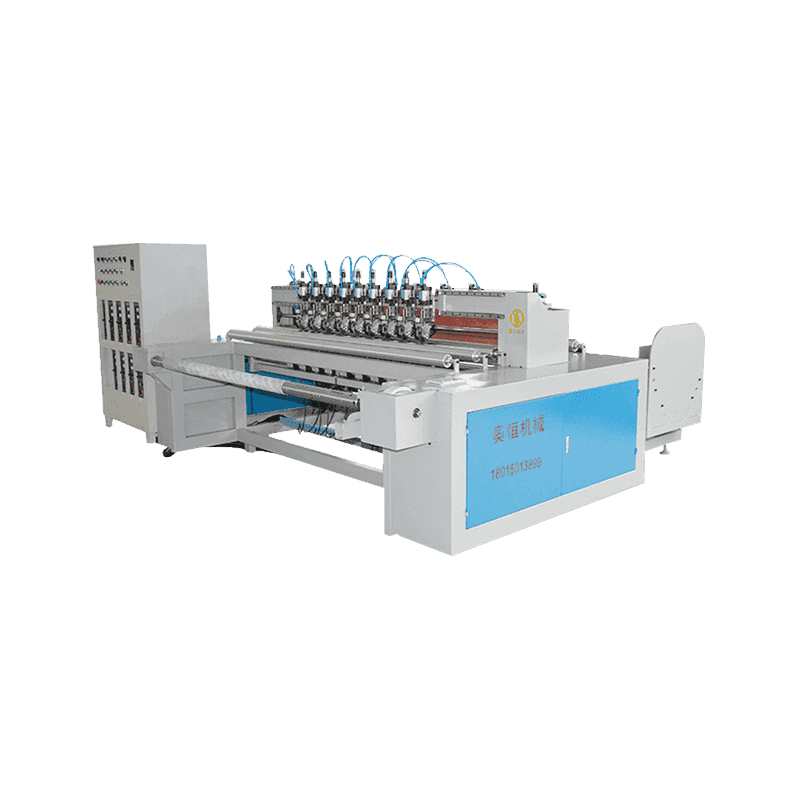
Multi-head machines feature multiple ultrasonic horn assemblies arranged in a row across the width of the fabric feed path. Each head operates independently or in synchronized coordination, allowing the machine to process wide fabric rolls — often exceeding 2.4 meters — in a single pass. This configuration is the preferred choice for high-volume production environments manufacturing products such as mattress covers, quilted sleeping bags, automotive interior panels, and large-format home textile items. The ability to quilt across the full fabric width simultaneously reduces processing time significantly and ensures pattern alignment consistency across the entire product surface.
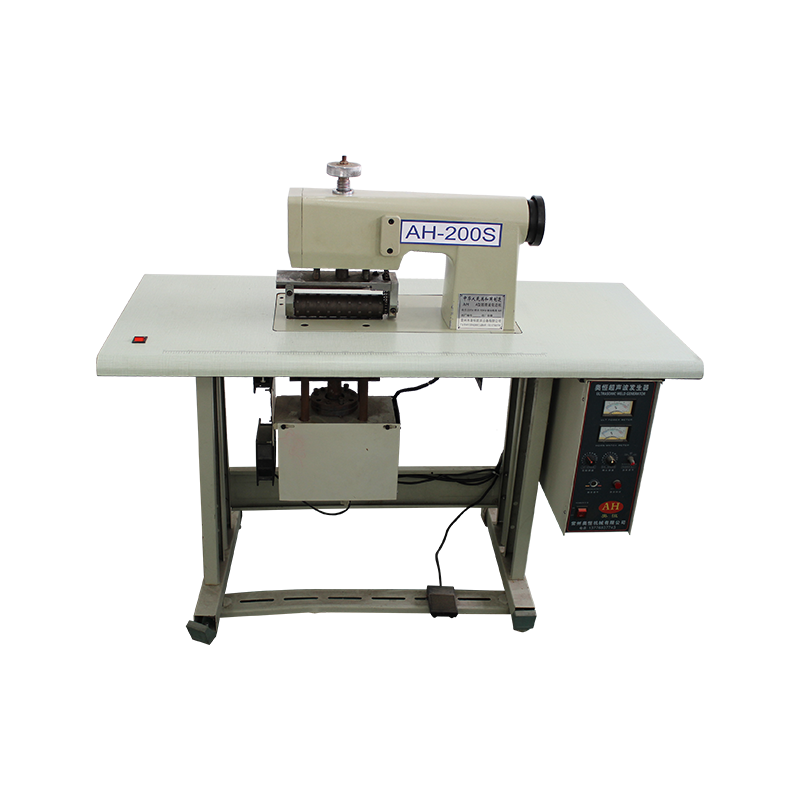
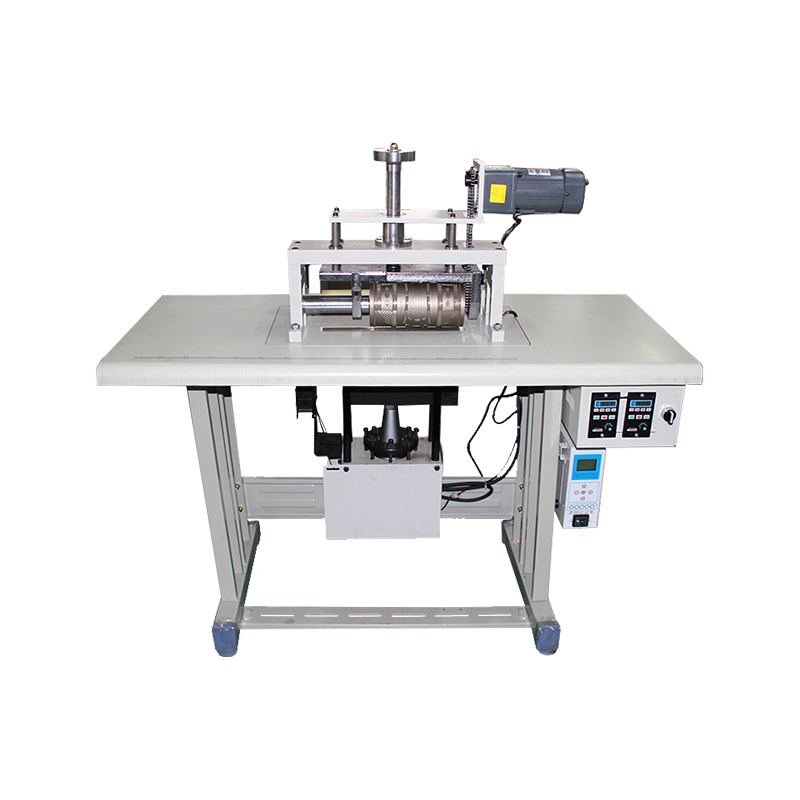
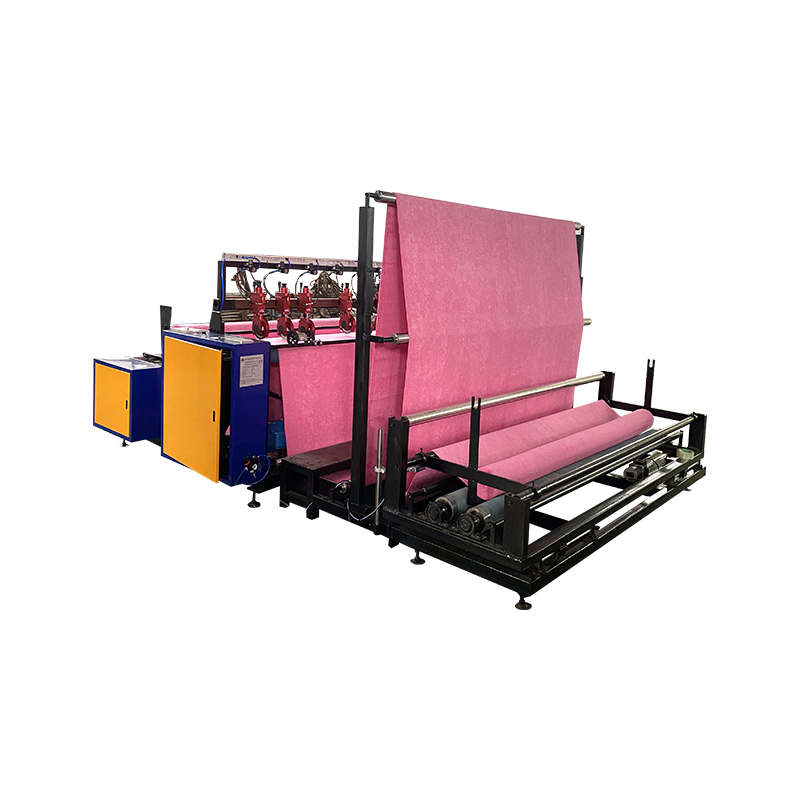
In a rotary ultrasonic system, the patterned anvil takes the form of a continuously rotating engraved roller rather than a stationary plate. The fabric passes continuously between the ultrasonic horn and the rotating anvil roller, enabling uninterrupted high-speed production. Rotary ultrasonic quilting machines are particularly effective for producing repeating geometric patterns over large fabric areas and are widely deployed in the nonwoven and disposable hygiene product industries, where speed and pattern uniformity are paramount.
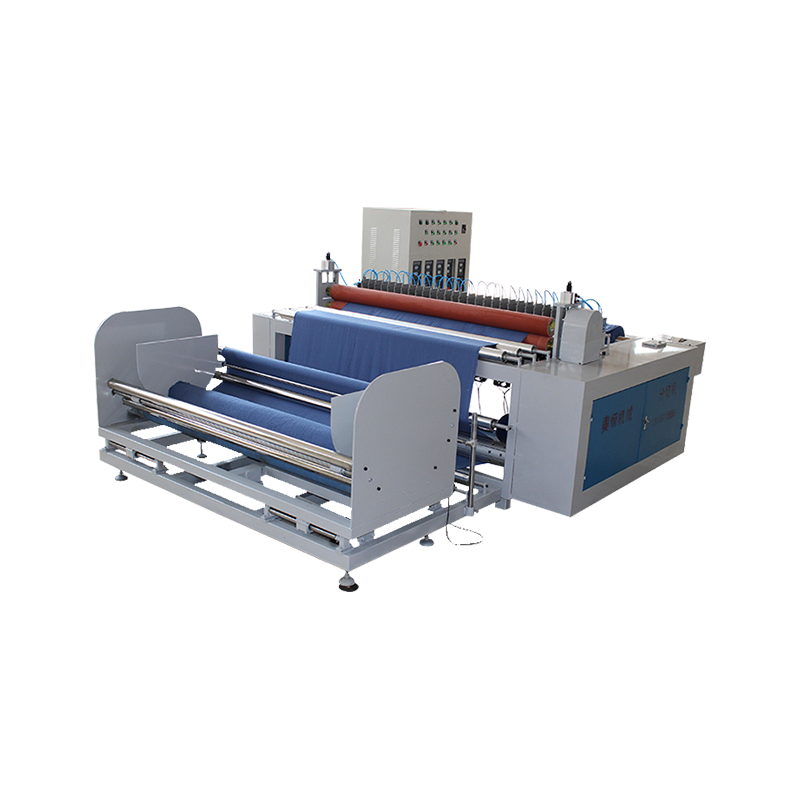
This advanced category integrates CNC (computer numerical control) technology with ultrasonic bonding capabilities. The horn assembly is mounted on a digitally controlled X-Y gantry system that moves precisely across the fabric surface according to programmed design files. This allows manufacturers to produce highly intricate, custom quilting patterns — including logos, floral motifs, and irregular geometric designs — without the need to change physical anvil rollers. Computerized pattern machines are favored in the premium bedding, luxury apparel, and technical textile sectors where design differentiation is a competitive priority.
The widespread adoption of automatic ultrasonic quilting machines across the global textile industry is driven by a compelling set of operational, economic, and quality-related advantages that traditional quilting methods simply cannot match.
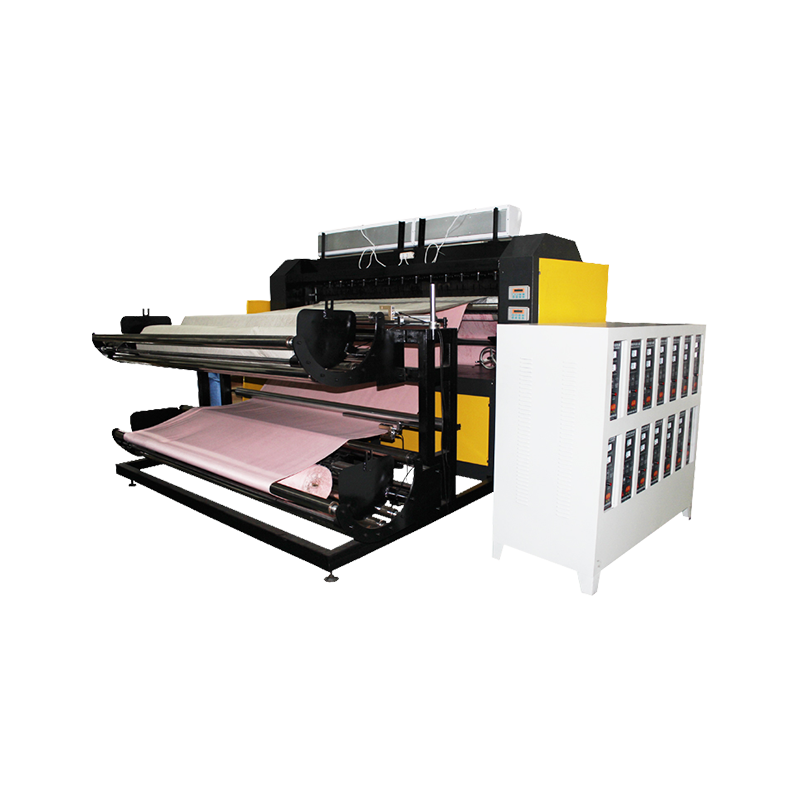
The following table provides a structured comparison of the main automatic ultrasonic quilting machine types to assist procurement and production planning decisions:
| Machine Type | Best For | Production Speed | Pattern Flexibility |
| Single-Head | Small runs, sampling | Moderate | High |
| Multi-Head | Wide-fabric, high volume | Very High | Moderate |
| Rotary | Nonwovens, hygiene products | Very High | Low–Moderate |
| Computerized Pattern | Custom designs, premium products | Moderate | Very High |
Automatic ultrasonic quilting machines serve a remarkably broad range of end-use markets, each leveraging different aspects of the technology's capability profile. In the bedding and home textile sector, these machines are used to produce quilted mattress covers, comforters, pillows, and decorative throws with clean, durable bonded patterns that withstand repeated washing. The automotive industry employs ultrasonic quilting for dashboard coverings, door panel linings, headliners, and seat fabric assemblies, where the combination of precise pattern placement and strong bonding without thread contributes to a premium interior finish.
In the medical and hygiene sector, ultrasonic quilting is fundamental to the production of surgical drapes, isolation gowns, disposable bed pads, baby diapers, and feminine hygiene products. The needle-free process ensures that protective barrier layers remain intact, meeting strict regulatory requirements for fluid resistance and sterility. The filtration industry similarly benefits, using ultrasonic quilting to assemble multi-layer filter media for HVAC systems, industrial dust collection, and personal protective equipment.
The apparel and fashion sectors use these machines for producing quilted jacket panels, vest interlinings, and decorative embossed fabric surfaces. Sportswear and outdoor clothing manufacturers particularly value the ability to bond waterproof membrane laminates without compromising their breathability or barrier performance — something that needle stitching cannot achieve reliably.
Selecting the right ultrasonic quilting machine requires a systematic evaluation of production requirements, material specifications, and long-term operational goals. The following criteria should guide the decision-making process:
By carefully evaluating these factors against production goals and material requirements, manufacturers can confidently invest in an automatic ultrasonic quilting machine that delivers lasting value, consistent quality, and a clear competitive advantage in their target markets.

Copyright © ChangZhou AoHeng Machinery Co., Ltd. All Rights Reserved