English
 中文简体
中文简体 русский
 Español
Home / Blog / Industry News / What Are the Top Benefits and Applications of Ultrasonic Cutters for Plastics?


Request A Quote

Content
Ultrasonic cutting technology has become increasingly important in plastic manufacturing because it offers high precision, clean edges, and efficient processing for a wide range of thermoplastic materials. Unlike conventional cutting systems that rely primarily on mechanical force, ultrasonic cutters use high-frequency vibrations to reduce friction and improve cutting performance.
Industries such as automotive manufacturing, medical device production, packaging, electronics, textiles, and consumer goods rely on ultrasonic plastic cutting systems to achieve accurate results while minimizing waste and material deformation. As production demands continue to increase, manufacturers are searching for cutting solutions that improve productivity without sacrificing quality.
Top ultrasonic cutters for plastics combine advanced transducer technology, durable blades, stable vibration systems, and precise control mechanisms to handle both delicate and heavy-duty cutting tasks. Understanding their benefits and applications helps businesses choose the right equipment for modern manufacturing environments.
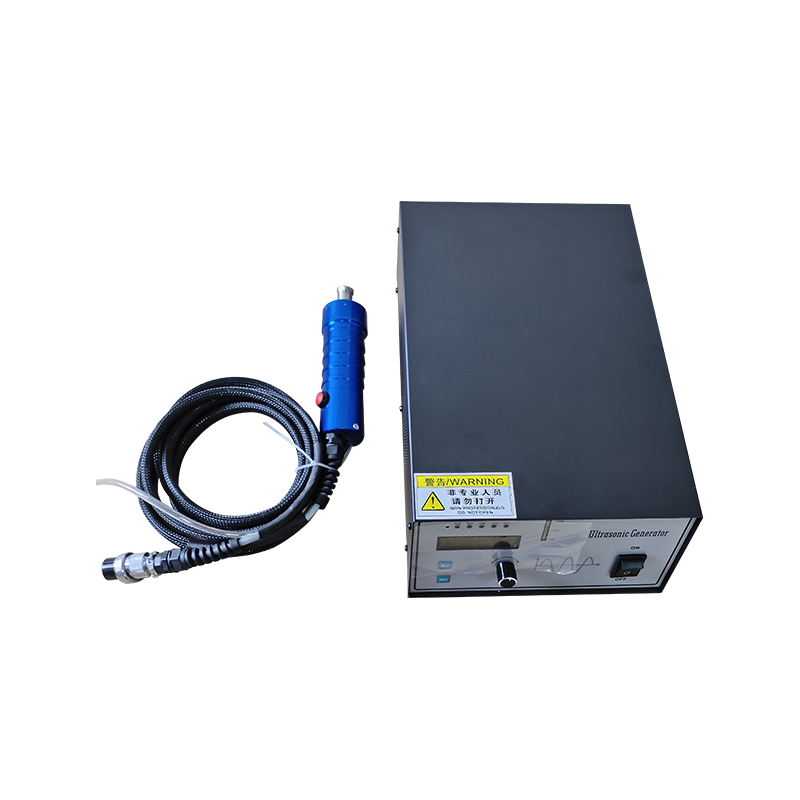
Ultrasonic cutters operate by converting electrical energy into high-frequency mechanical vibrations, typically ranging from 20 kHz to 40 kHz. These vibrations are transmitted through a transducer and booster into a cutting blade.
As the blade vibrates at extremely high speeds, friction between the blade and plastic material is significantly reduced. This allows the cutter to slice through plastics smoothly with less pressure and heat buildup compared to traditional cutting methods.
One of the biggest advantages of ultrasonic cutting technology is precision. The vibrating blade produces extremely accurate cuts with minimal resistance, making it ideal for intricate shapes and detailed components.
Manufacturers working with thin films, precision tubing, medical plastics, and electronic components benefit significantly from cleaner and more controlled cuts.
Traditional cutting systems can deform soft plastics due to friction and excessive pressure. Ultrasonic cutters minimize this issue by reducing the amount of force required during cutting.
This is especially important for flexible plastics, foams, and delicate thermoplastic materials where maintaining shape integrity is critical.
Ultrasonic cutting creates smooth and clean edges with minimal burrs or fraying. In many applications, this eliminates the need for additional finishing or trimming operations.
The improved edge quality is particularly valuable in medical, packaging, and consumer product industries where appearance and precision matter.
Although ultrasonic vibration generates localized energy, overall heat buildup is much lower compared to friction-heavy mechanical cutting systems. This reduces the risk of burning, melting, or discoloration of plastic materials.
Because ultrasonic cutters reduce resistance and cutting force, they often operate faster and more consistently than traditional blades. Faster cutting speeds help manufacturers increase productivity and reduce downtime.
Precise cuts and minimized deformation help reduce scrap material. This improves material utilization and lowers production costs over time.
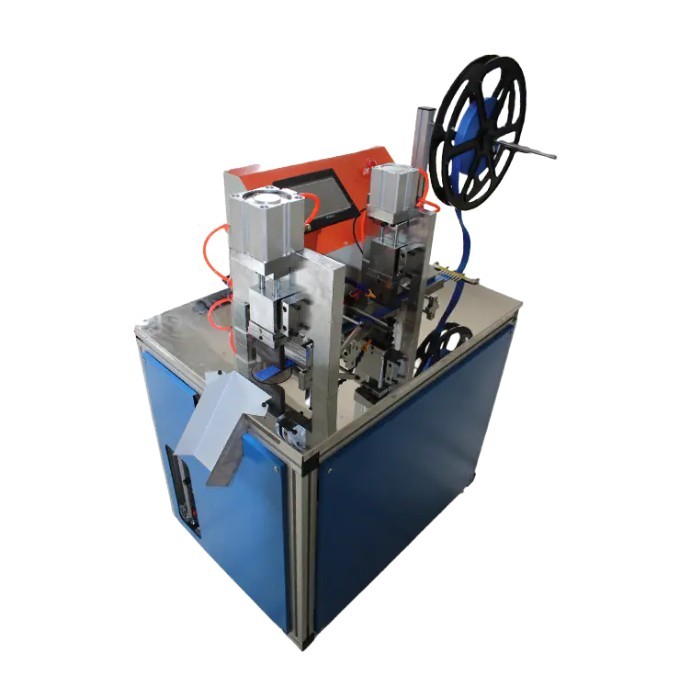
| Feature | Ultrasonic Cutter | Conventional Cutter |
| Cutting Precision | Very high | Moderate |
| Material Deformation | Minimal | Higher risk |
| Edge Finish | Smooth and clean | May require finishing |
| Heat Generation | Low | Higher |
| Material Waste | Reduced | More waste |
Ultrasonic cutters are compatible with many thermoplastic materials commonly used in manufacturing.
Automotive manufacturers use ultrasonic cutters for trimming plastic interior parts, insulation materials, dashboards, filters, and composite materials. The technology provides precise cuts without damaging lightweight automotive components.
Medical products require highly accurate and contamination-free cutting processes. Ultrasonic cutting is commonly used for medical tubing, filters, surgical fabrics, and disposable plastic components.
Plastic films and flexible packaging materials benefit from ultrasonic cutting because the process creates clean edges and reduces material distortion. This is important for maintaining sealing quality and product appearance.
Electronic devices often contain delicate plastic components that require highly precise processing. Ultrasonic cutters help manufacturers achieve fine cuts without cracking or damaging sensitive materials.
Ultrasonic technology is also used for cutting synthetic textiles, nonwoven materials, and fiber-reinforced composites where traditional cutting methods may cause fraying.
Selecting the right ultrasonic cutter depends on material type, production volume, precision requirements, and automation needs.
Proper maintenance is essential for maintaining cutting quality and extending equipment lifespan. Operators should regularly inspect blades, clean ultrasonic components, and monitor vibration performance.
Routine calibration and proper material handling also help maintain consistent cutting accuracy and minimize downtime.
As manufacturing automation continues to expand, ultrasonic cutting systems are becoming increasingly integrated with robotic platforms and CNC-controlled production lines. Smart monitoring systems and advanced digital controls are also improving process consistency and predictive maintenance capabilities.
The growing demand for lightweight plastics, precision medical devices, and sustainable manufacturing will likely drive further adoption of ultrasonic cutting technologies in the coming years.
Top ultrasonic cutters for plastics provide manufacturers with a highly efficient and precise cutting solution for modern production environments. Their ability to reduce material deformation, improve edge quality, minimize waste, and increase processing speed makes them valuable across many industries. From automotive and medical manufacturing to packaging and electronics, ultrasonic cutting technology continues to deliver significant operational and quality advantages for plastic processing applications.

Copyright © ChangZhou AoHeng Machinery Co., Ltd. All Rights Reserved