English
 中文简体
中文简体 русский
 Español
Home / Blog / Industry News / What Are the Technical Features and Overview of a Non-Woven Pillowcase Machine?


Request A Quote

Content
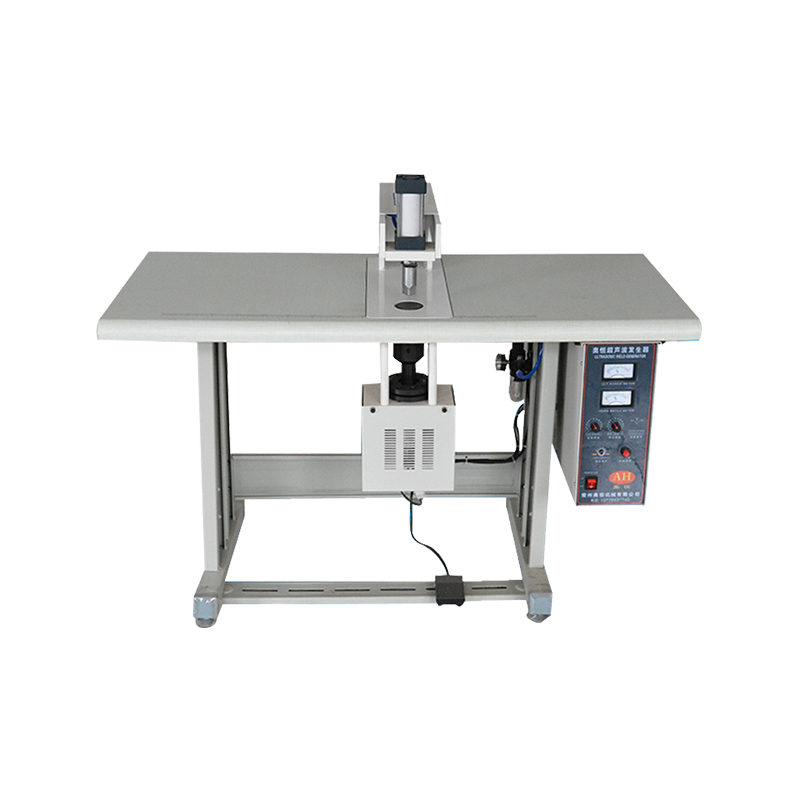
Non-woven pillowcase machines are specialized textile equipment designed for the efficient production of pillowcases made from non-woven fabrics. They combine automation, precision, and speed to meet the high-volume demands of the hospitality, healthcare, and consumer goods industries. The machines are capable of producing pillowcases with consistent quality while minimizing material waste and labor input.
The rising demand for non-woven textiles due to their cost-effectiveness, hygiene benefits, and environmental considerations has positioned these machines as critical assets in modern manufacturing setups. Understanding the operational principles and technical features of these machines allows manufacturers to optimize production and maintain competitive advantages.
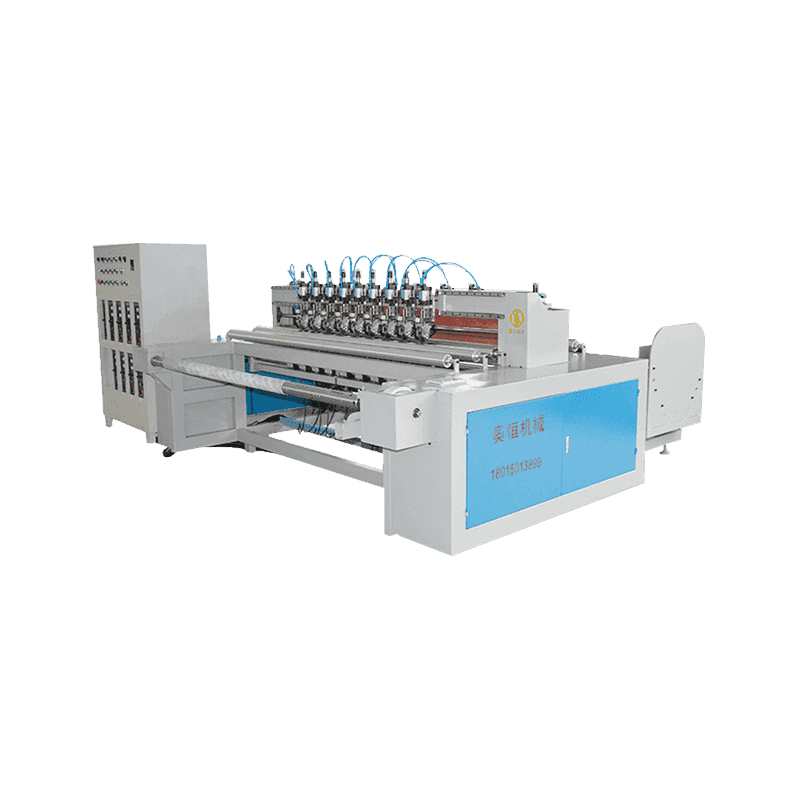
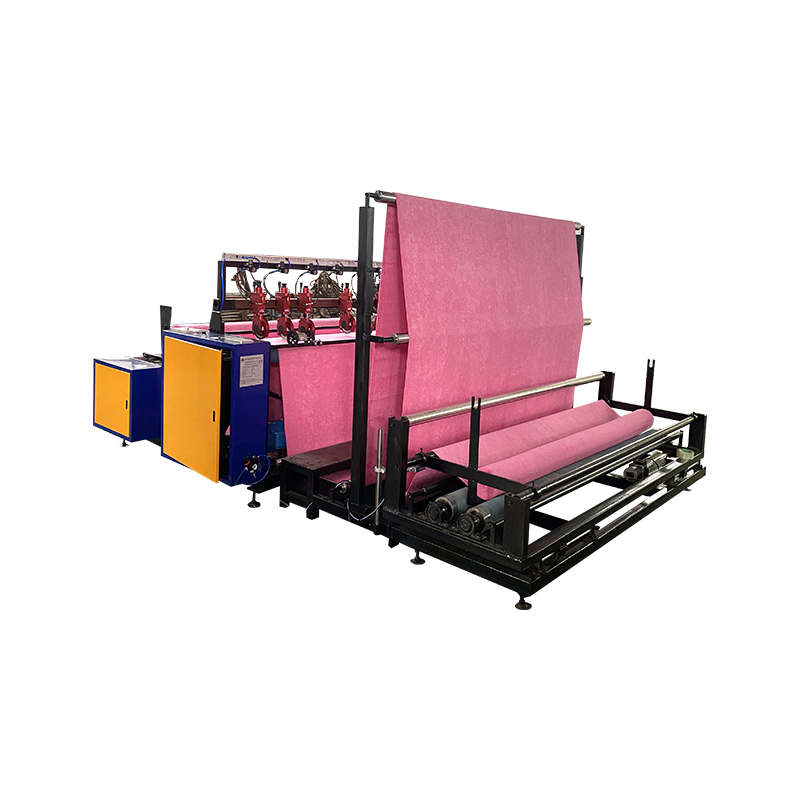
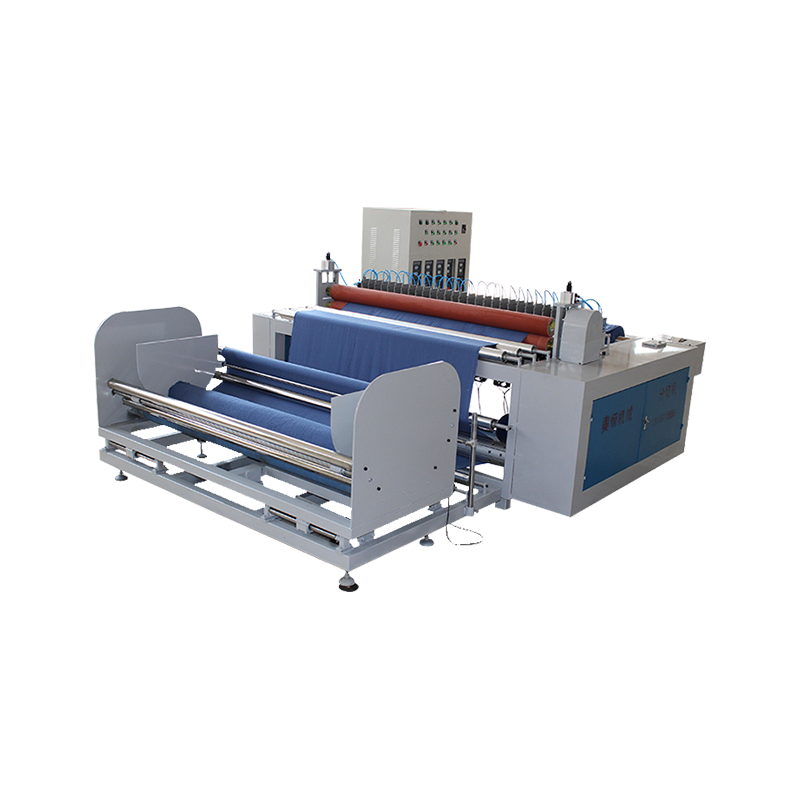
The fabric feeding system ensures uniform and continuous supply of non-woven material into the machine. Equipped with tension control rollers, the system prevents wrinkles and stretching that could compromise the final product quality. Advanced feeding mechanisms may also include automatic cutting and alignment sensors to increase precision.
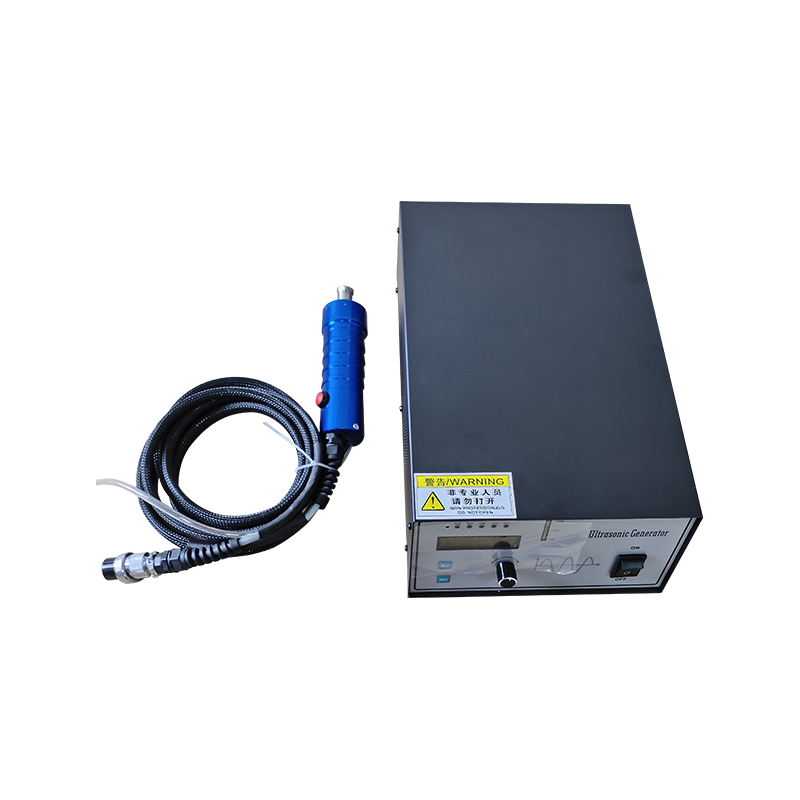
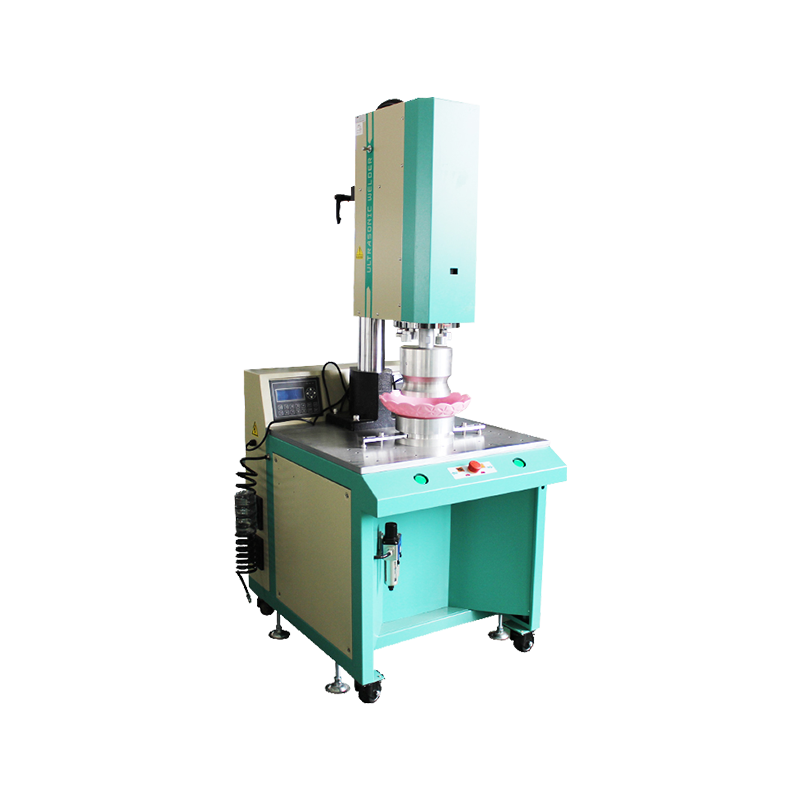
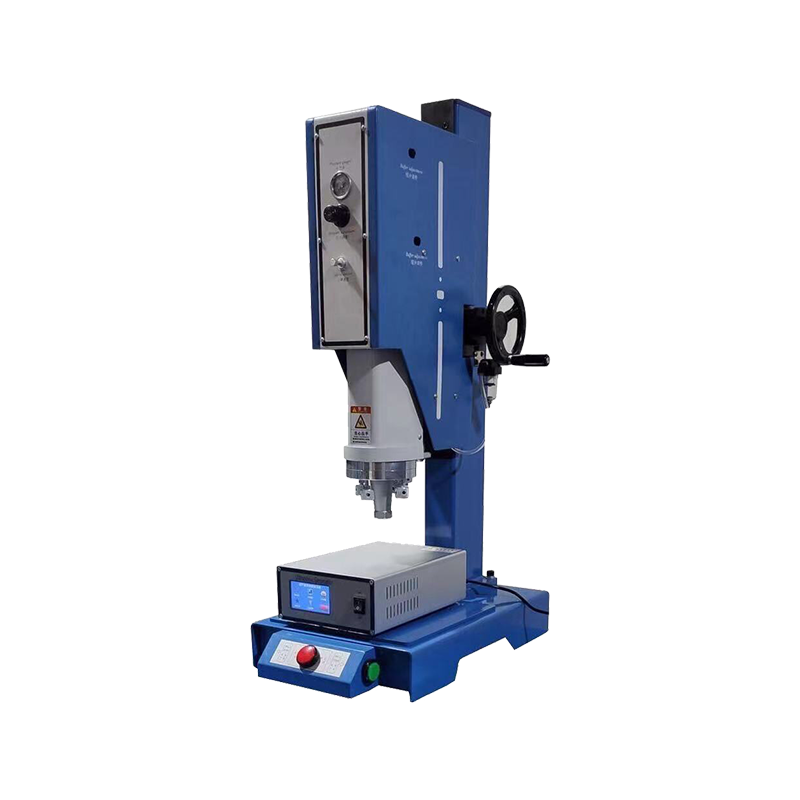
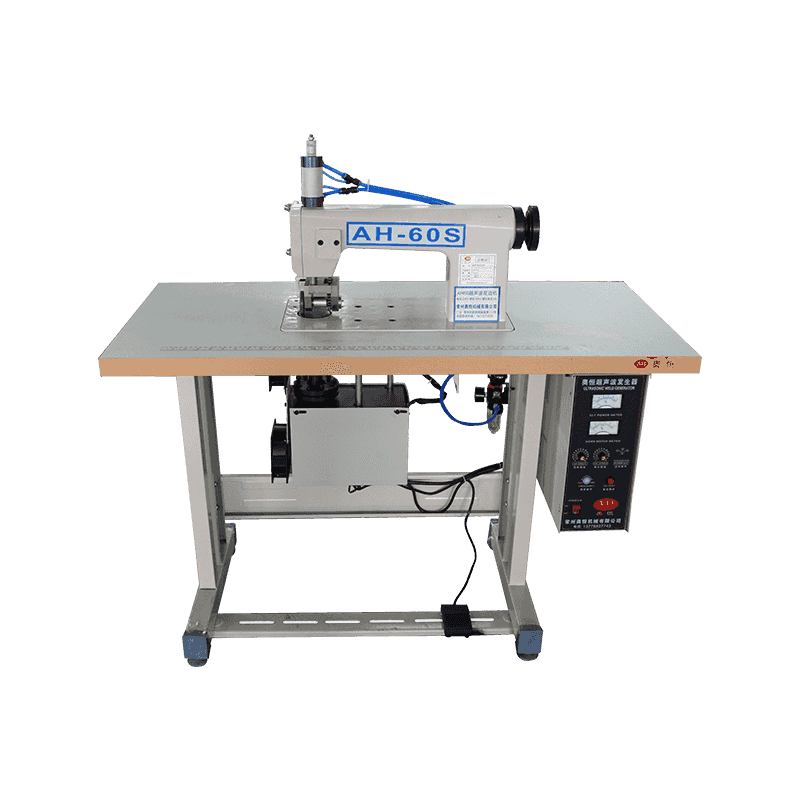
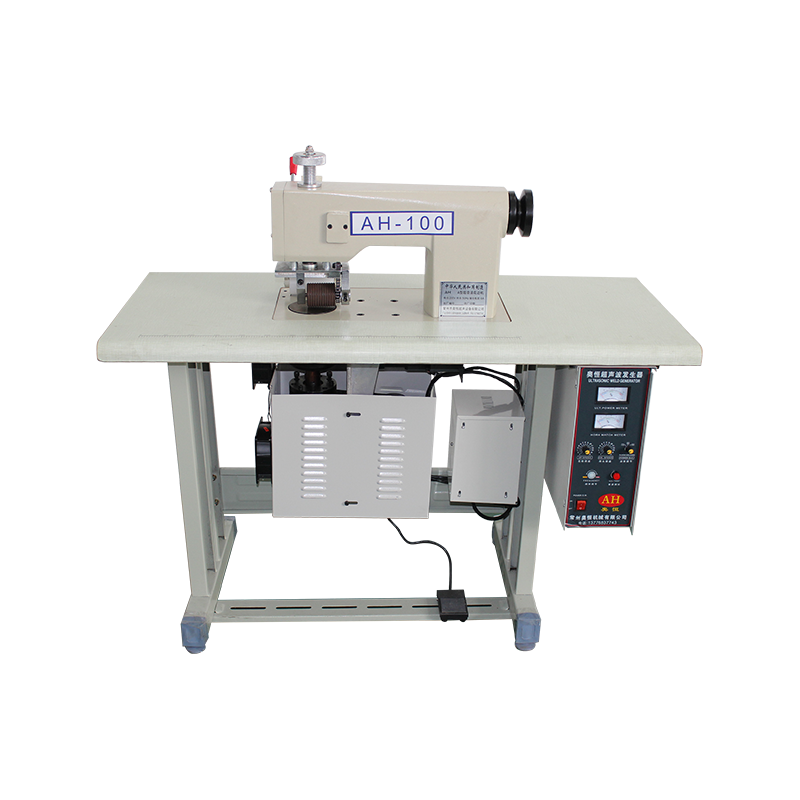
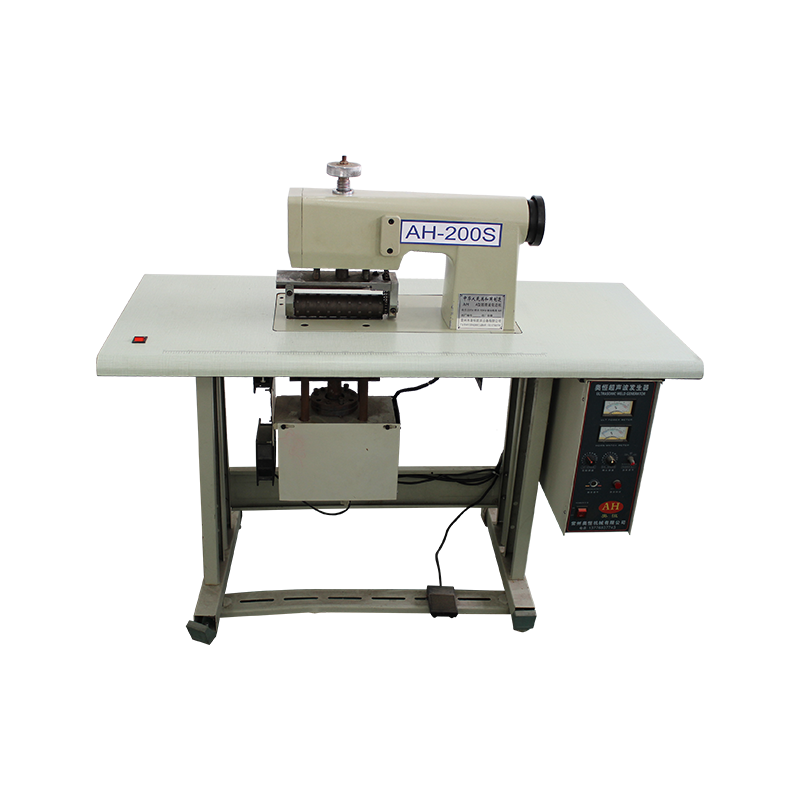
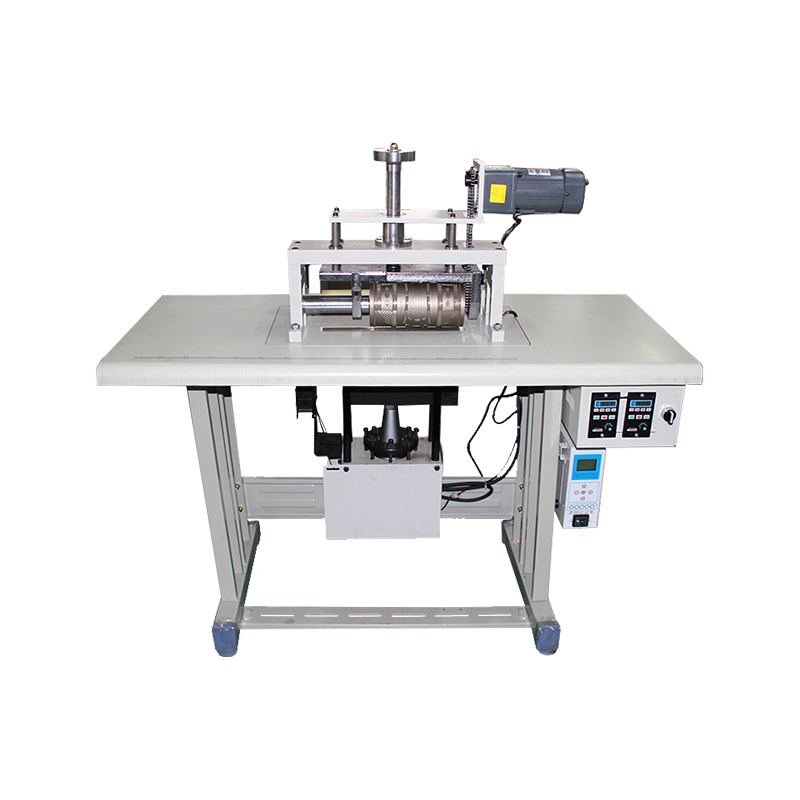
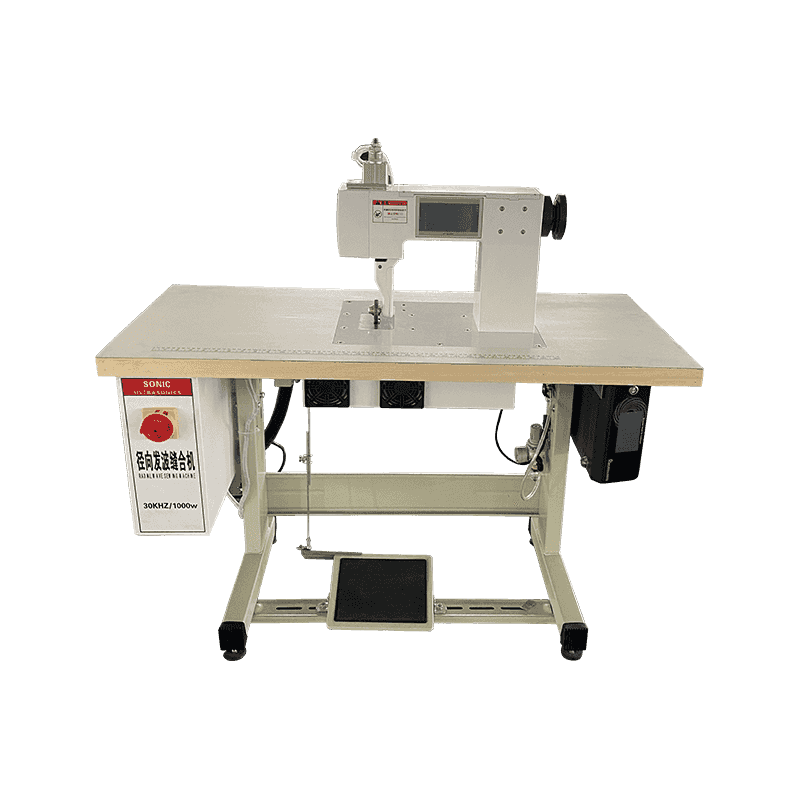
Non-woven pillowcase machines often utilize ultrasonic or heat sealing technology to cut and seal pillowcases efficiently. Ultrasonic sealing ensures strong seams without thread usage, reducing production costs and maintaining hygienic standards. The cutting unit is adjustable to accommodate various pillow sizes.
Finished pillowcases are transported via an integrated conveyor system to the collection area. The conveyor ensures smooth movement and reduces product damage. Sensors monitor the flow, allowing for automatic stacking or packaging preparation, improving workflow efficiency.
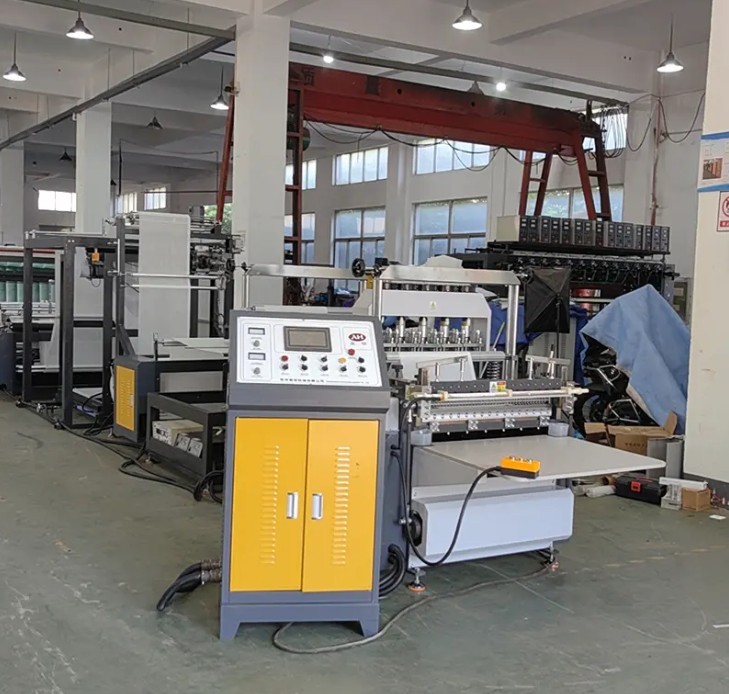
The machine’s operation relies on fully automated processes where fabric feeding, cutting, sealing, and stacking occur in sequence. Programmable logic controllers (PLC) manage all operations, allowing operators to adjust speed, seam strength, and dimensions without manual intervention. Automation reduces labor costs and ensures consistent product quality.
Modern non-woven pillowcase machines can produce hundreds of units per hour. High-speed cutting and sealing mechanisms, combined with rapid fabric feeding, enable continuous production while minimizing downtime. Adjustable operational speed allows manufacturers to optimize production based on demand and material specifications.
Advanced machines are equipped with vision systems and sensors that detect misalignment, tears, or sealing defects. Automated alarms and shut-off mechanisms prevent defective products from entering the collection system. This ensures uniform quality and reduces material waste.
Ultrasonic sealing employs high-frequency vibrations to bond non-woven fibers. This method produces strong seams without additional adhesives or stitching, offering a clean, hygienic finish. The technology is energy-efficient and minimizes material stress.
Programmable logic controllers (PLC) provide precise control over machine operations, including feeding speed, sealing duration, and cutting positions. Operators can store multiple product profiles, enabling quick changes for different pillowcase designs without hardware modifications.
Modern machines are designed for low energy consumption, with optimized motor systems and reduced idle operation. Maintenance is simplified through modular design, allowing easy replacement of rollers, cutting blades, and sealing components, reducing downtime and operational costs.
| Feature | Manual Sewing | Non-Woven Pillowcase Machine |
| Production Speed | Low | High (hundreds/hour) |
| Consistency | Variable | Uniform |
| Labor Requirement | High | Low |
| Seam Quality | Dependent on Skill | High and Uniform |
Regular cleaning of feeding rollers, sealing heads, and cutting blades prevents buildup of fibers and ensures smooth operation. Inspection of sensors and electronic components guarantees accurate performance and reduces unexpected downtime.
Periodic replacement of worn rollers, cutting blades, and sealing elements maintains consistent seam strength and product quality. Calibration of feeding tension and sealing parameters ensures precision for different non-woven materials.
Non-woven pillowcase machines represent an advanced solution for high-efficiency pillowcase production. Their integration of automated feeding, ultrasonic sealing, programmable control, and low-maintenance design ensures uniform quality and cost-effective operation.
By understanding the technical features and operational principles, manufacturers can optimize their processes, reduce labor requirements, and meet growing demand for hygienic and durable non-woven pillowcases across multiple industries.

Copyright © ChangZhou AoHeng Machinery Co., Ltd. All Rights Reserved