English
 中文简体
中文简体 русский
 Español
Home / Blog / Industry News / How to Choose Between AH-60S/Q and AH-100S/Q Ultrasonic Lace Machines?


Request A Quote
Content
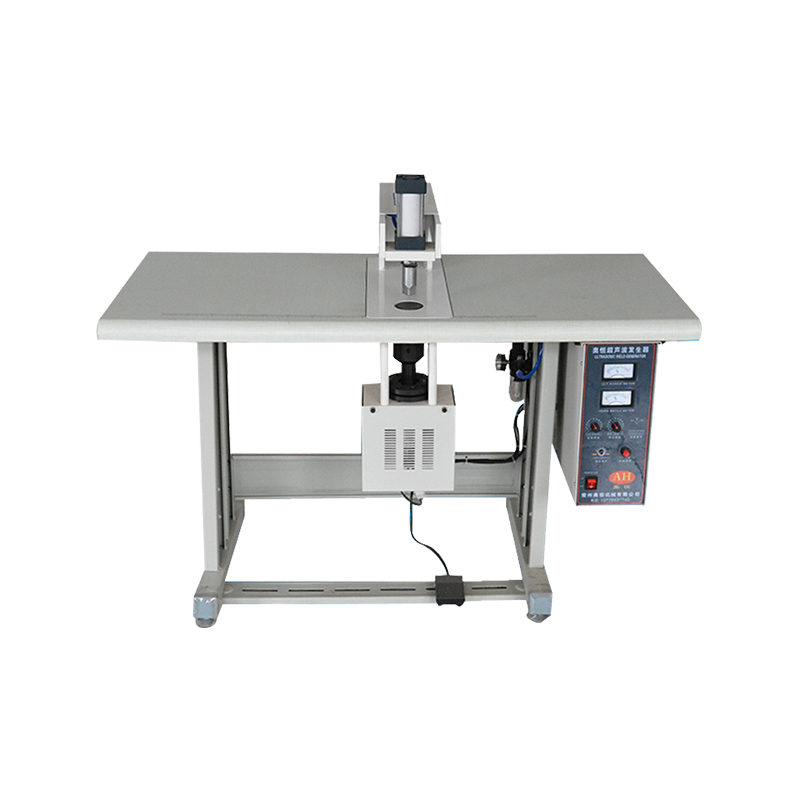
Ultrasonic lace machines have transformed textile production by enabling precise cutting, bonding, and sealing without the need for traditional thread-based sewing. Among these, the AH series offers both multifunction and semi-automatic solutions designed for different production demands. Understanding the core differences between models such as the AH-60S/Q, AH-602S/2Q multifunction units, and the AH-100S/Q, AH-1002Q/2S semi-automatic units is critical for optimizing manufacturing efficiency, product quality, and operational cost.
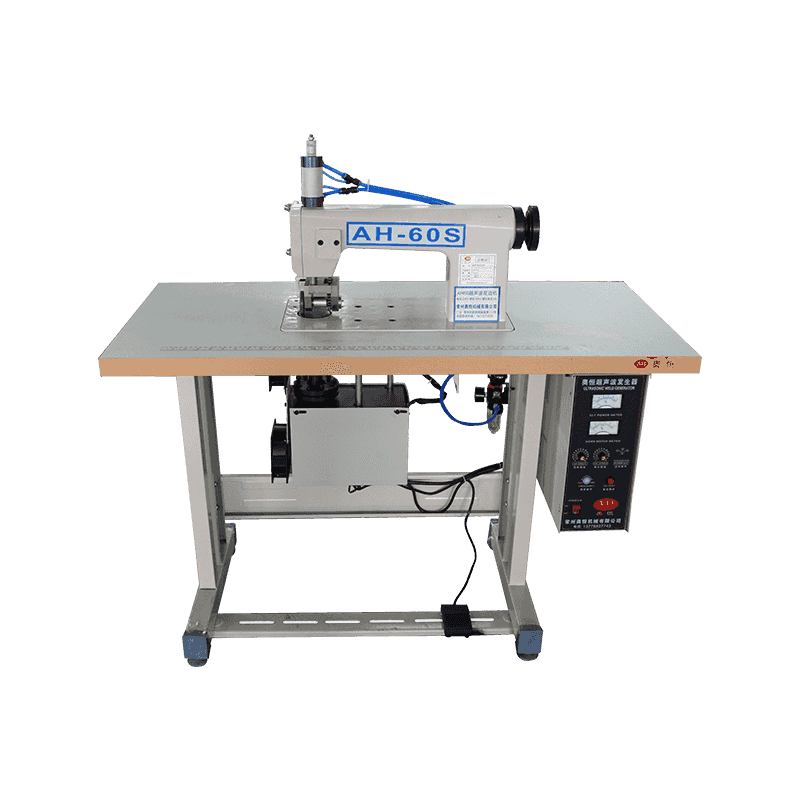
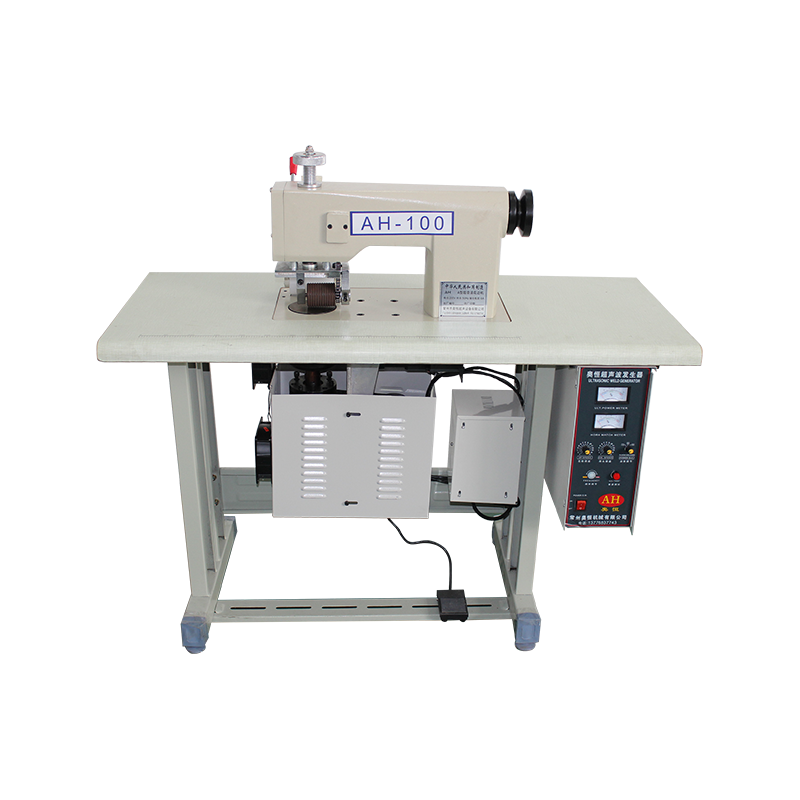
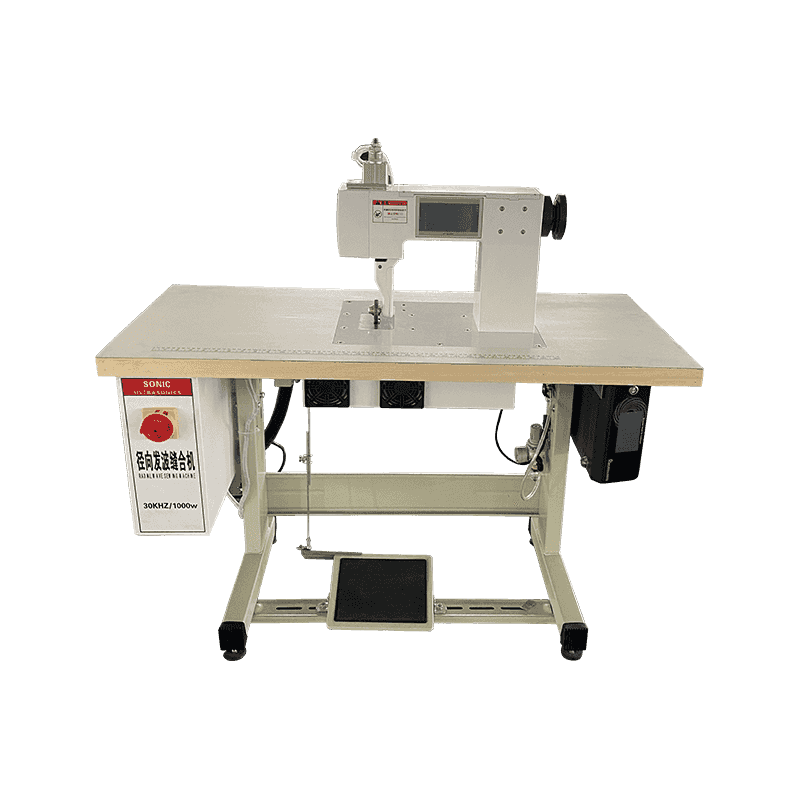
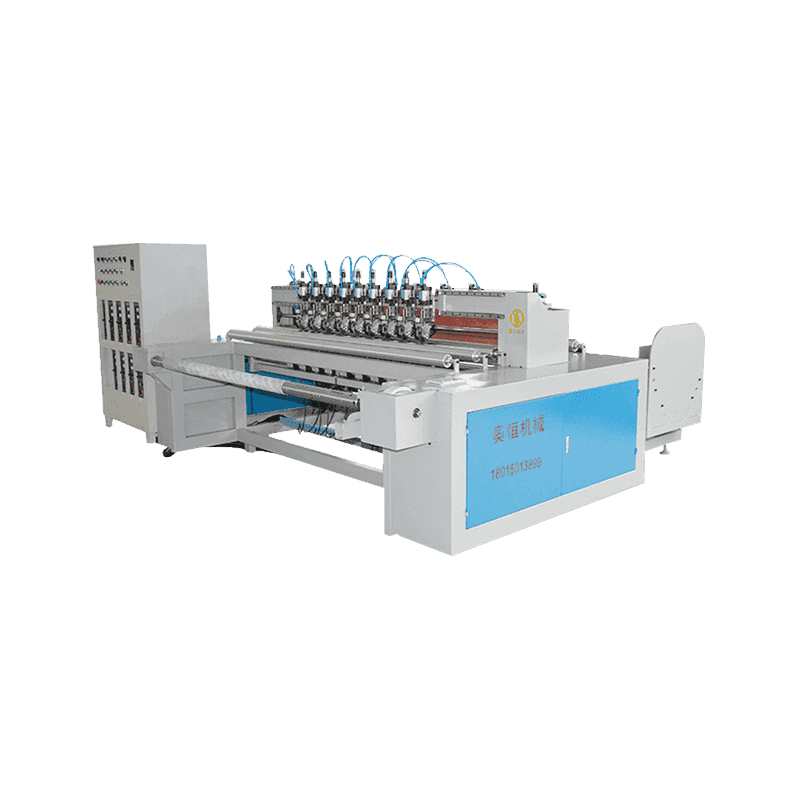
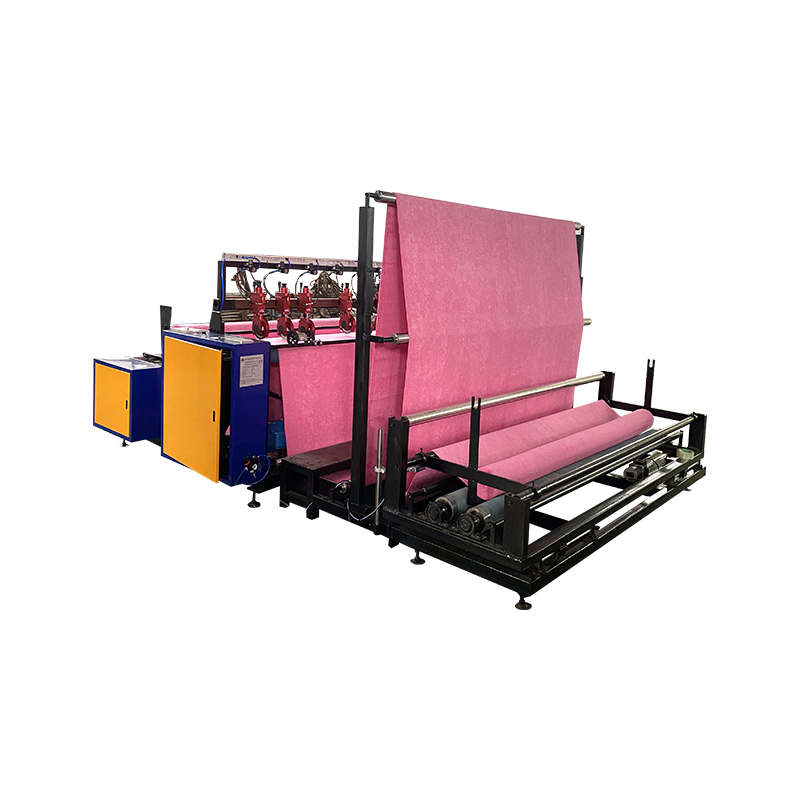
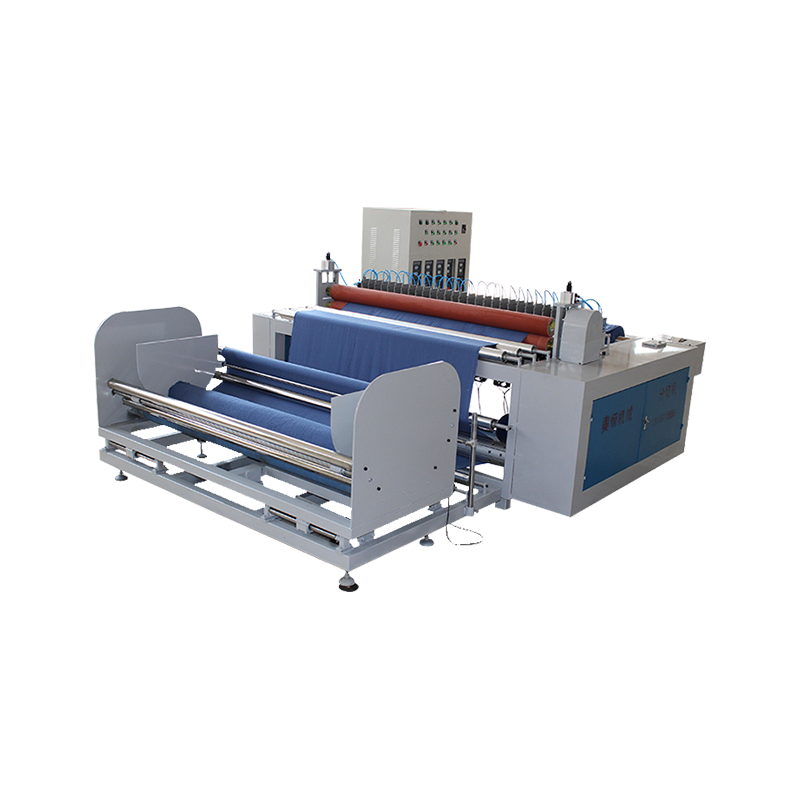
The AH-60S/Q and AH-602S/2Q models are designed as multifunction machines with broader operational capabilities, while the AH-100S/Q and AH-1002Q/2S are semi-automatic machines focused on specific, high-speed lace production tasks.
These machines excel in versatility and precision. They are equipped with multiple ultrasonic heads, programmable patterns, and automated control systems. Key advantages include:
Semi-automatic models are optimized for targeted lace production and smaller batch sizes. They offer fewer automation features but are more cost-effective and easier to operate in constrained environments. Core characteristics include:
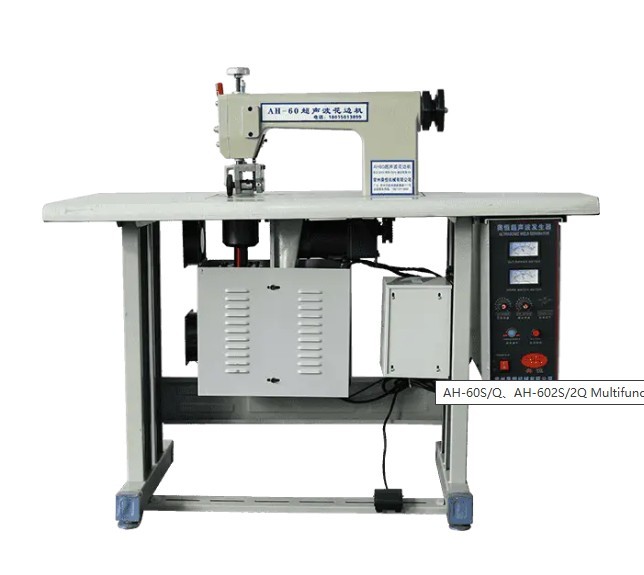
When choosing between multifunction and semi-automatic models, performance metrics such as production speed, output capacity, and pattern complexity are decisive factors. The following table summarizes these differences:
| Feature | AH-60S/Q & AH-602S/2Q | AH-100S/Q & AH-1002Q/2S |
| Automation Level | High (multifunction) | Moderate (semi-automatic) |
| Number of Ultrasonic Heads | 2–4 heads, programmable | 1–2 heads, manual adjustment |
| Production Speed | High (suitable for large-scale batch) | Medium (optimized for small batches) |
| Pattern Complexity | Supports intricate, custom patterns | Limited to standard lace designs |
| Energy Consumption | Higher due to multifunction operations | Lower, cost-effective for small runs |
Beyond the raw technical specifications, operational aspects such as ease of training, maintenance requirements, and floor space should be evaluated. Multifunction machines require skilled operators capable of programming complex patterns, while semi-automatic units are more accessible for operators with basic training.
Both categories benefit from routine ultrasonic transducer maintenance, but differences exist:
Making a selection depends on several factors:
Choosing between AH-60S/Q, AH-602S/2Q multifunction ultrasonic lace machines and AH-100S/Q, AH-1002Q/2S semi-automatic models requires careful consideration of production needs, pattern complexity, operator skill, and cost constraints. Multifunction machines excel in versatility and scalability for large production runs with complex lace designs, while semi-automatic units provide economical solutions for small batches or standardized patterns. A clear understanding of operational priorities ensures optimal investment and sustained manufacturing efficiency.

Copyright © ChangZhou AoHeng Machinery Co., Ltd. All Rights Reserved