English
 中文简体
中文简体 русский
 Español
Home / Blog / Industry News / Ultrasonic Welding of Plastics: Process, Materials, Joint Design & Machines


Request A Quote

At Aoheng, we have spent years building ultrasonic machinery for textile, nonwoven, and plastic processing lines. One of the most common questions we hear is about ultrasonic weld plastic technology, especially from manufacturers who want a clean, fast, and repeatable way to join plastic parts. If you are evaluating this process for your products, this guide will walk you through the basics, materials, joint design, machine selection, and the practical shop-floor lessons we have learned along the way.
Content
Ultrasonic welding converts electrical energy into high-frequency mechanical motion, typically between 15 kHz and 40 kHz. The power supply sends an electrical signal to a transducer, which converts it into mechanical vibrations. A booster and a horn, sometimes called a sonotrode, transmit these vibrations to the upper plastic part. The horn presses the upper part against a lower part held in a rigid fixture.
The vibrations travel through the upper part to the joint interface, where intermolecular friction creates localized heat. The plastic softens and melts, flows across the joint surface, and then cools into a strong molecular bond. The cycle is controlled precisely through weld time, hold time, pressure, and amplitude. For small parts, the entire weld can take less than one second, which is why ultrasonic assembly fits so naturally into high-speed production.
In practice, welding pressure, horn amplitude, and tooling design all influence joint quality. A good fixturing system keeps the parts aligned, while a well-tuned horn delivers consistent energy every cycle. Even though the concept sounds simple, successful welding depends on matching the machine parameters to the material and part geometry.
Not every plastic responds to ultrasonic energy the same way. The first question we ask customers is whether the material is amorphous or semi-crystalline. Amorphous plastics have a wide softening range, which makes them naturally easier to weld. Semi-crystalline plastics have an ordered molecular structure and need more energy to melt, so they require higher amplitude and more careful joint design.
| Material Family | Common Plastics | Weldability | Typical Parts |
|---|---|---|---|
| Amorphous | ABS, PS, PC, PMMA, SAN | Excellent | Housings, medical devices, cosmetics packaging |
| Semi-crystalline | Nylon, PP, PE, PET, POM | Moderate to difficult | Automotive parts, containers, industrial components |
| Filled or blended | Glass-filled nylon, recycled blends | Variable | Structural parts, sustainable packaging |
Always test with the exact material grade you plan to use. Additives such as flame retardants, lubricants, glass fibers, and colorants can change weldability. Moisture in hygroscopic plastics can also affect the weld, so proper drying is essential for consistent results.
The joint is where the weld actually happens. A well-designed joint concentrates ultrasonic energy and controls melt flow, so the finished bond is strong and free of flash. The most common designs include energy directors, shear joints, step joints, and tongue-and-groove joints.
Part geometry matters just as much as joint shape. Wall thickness, overall part size, material stiffness, and the distance from the horn contact point all affect how vibration reaches the joint. Large parts may need multiple weld points, a contour fixture, or more than one horn to maintain even contact.
Manufacturers choose ultrasonic welding because it offers a combination of speed, cleanliness, and repeatability that is hard to achieve with adhesives or mechanical fasteners. The main benefits we see in real production environments are:
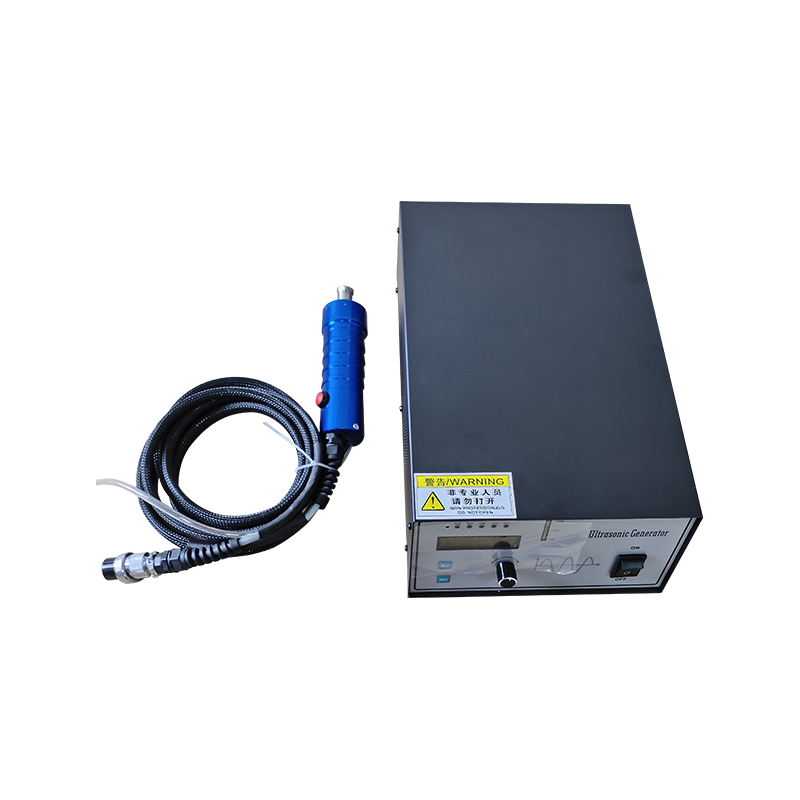
The machine you choose should match your production rhythm. For occasional repairs, small batches, or prototype work, a handheld ultrasonic welder gives operators the freedom to weld at the workbench or directly on the product. It is compact, easy to store, and powerful enough for many assembly jobs.
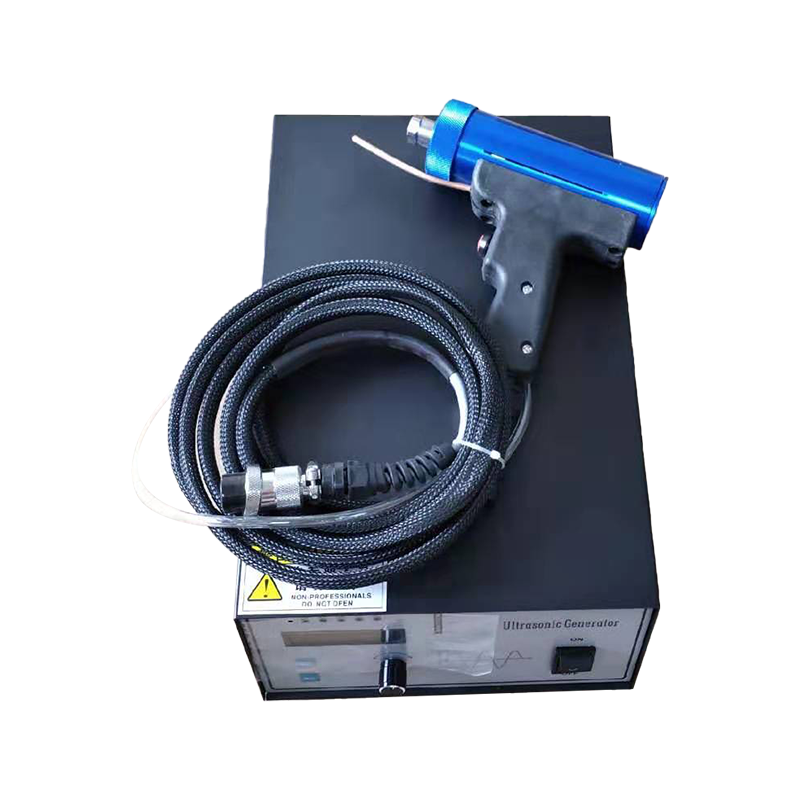 AH-30 Sonic Custom Handheld Ultrasonic Welder for Spot WeldingThis compact handheld unit suits prototype work, repairs, or small batches. It offers adjustable frequency options and up to 1000W power, making it a flexible choice for welding thin plastics or non-woven materials at the workbench.View Product →
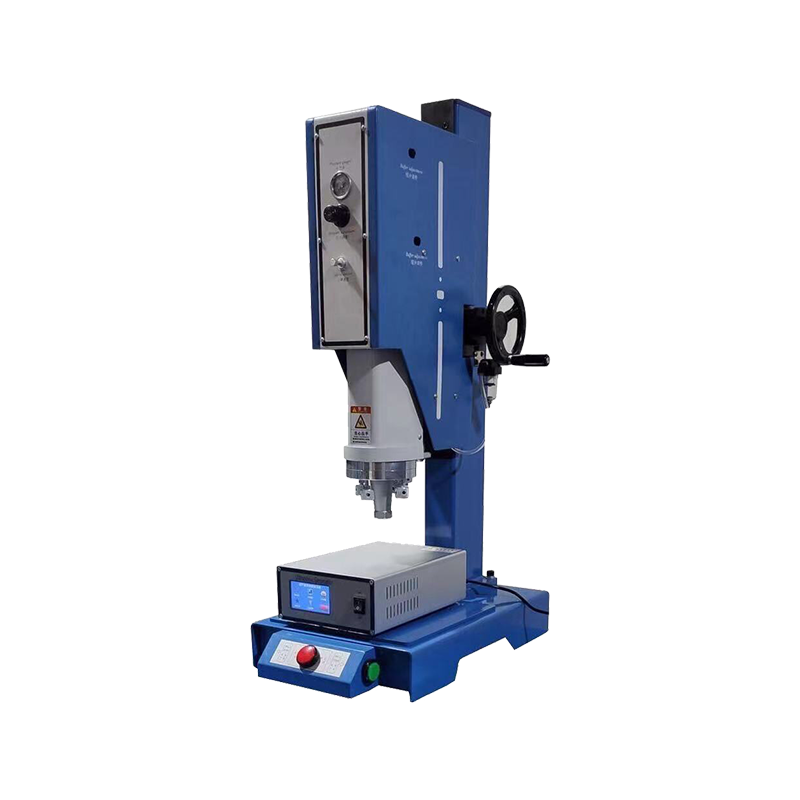
Selection starts with part size, material, and production volume. A 20 kHz system with 1000 to 4200 watts is a common choice for medium and large parts. Higher frequencies such as 35 kHz and 40 kHz are better suited to smaller, more delicate components because they produce lower amplitude and a gentler weld. Amplitude control is especially important when working with semi-crystalline plastics, which may need higher energy, or thin walls, which need a softer touch.
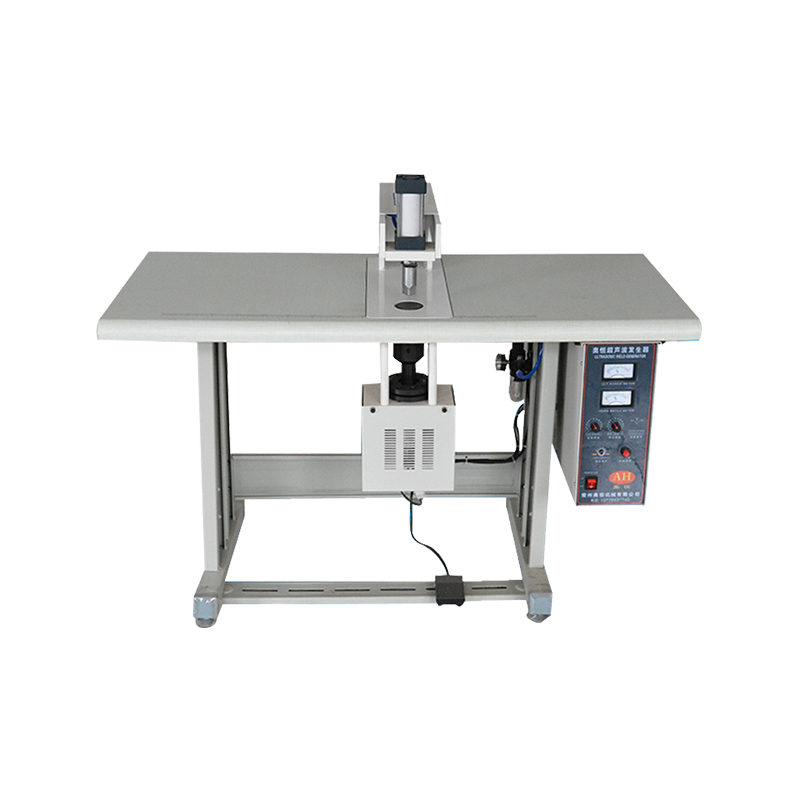
For low-volume production, tool rooms, and manual assembly stations, a manual plastic welding machine gives the operator direct control over timing, pressure, and positioning. It is simple to set up, easy to maintain, and remains a dependable entry point for companies that want to bring welding in-house.
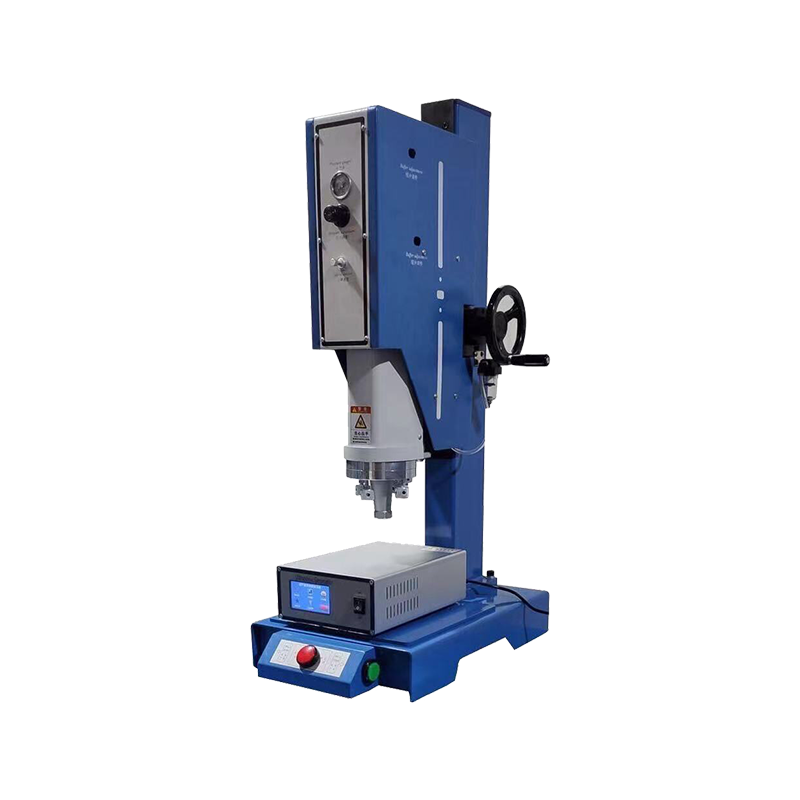 AH-SL Manual Plastic Welding Machine with Pneumatic DriveBuilt for low-volume production and manual assembly stations, this 15kHz machine provides direct control over timing and pressure. Its die-cast frame and adjustable mold level support consistent welding, riveting, and spot welding of thermoplastics.View Product →
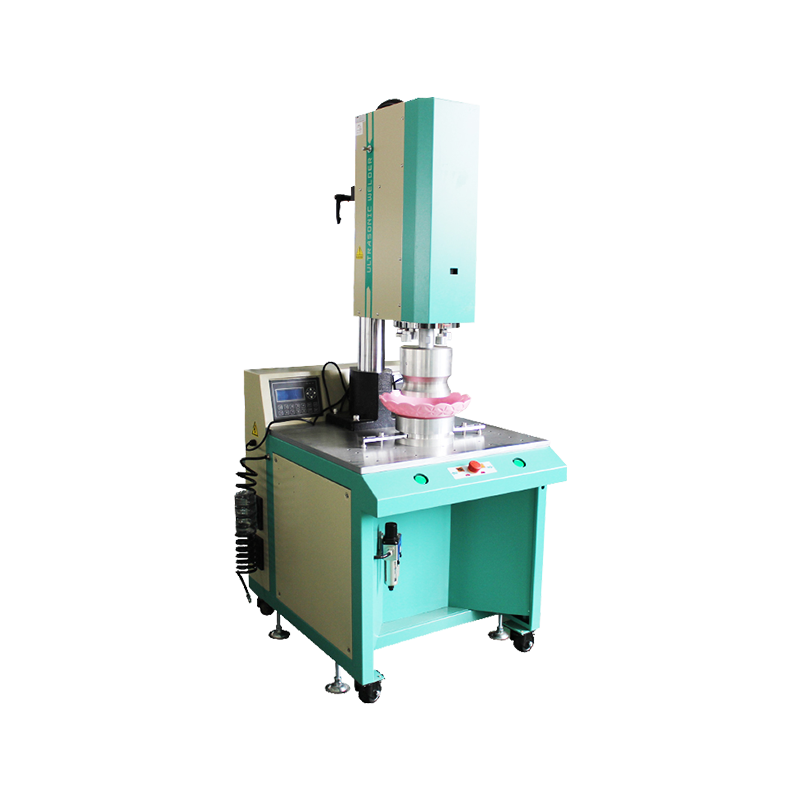
For high-volume manufacturing, an automated plastic welding machine is usually the better long-term investment. Programmable weld parameters, multi-stage cycles, and quick-change tooling reduce labor, improve consistency, and keep scrap rates low. These machines can be integrated into a production line with conveyors, robotic handling, or indexing tables.
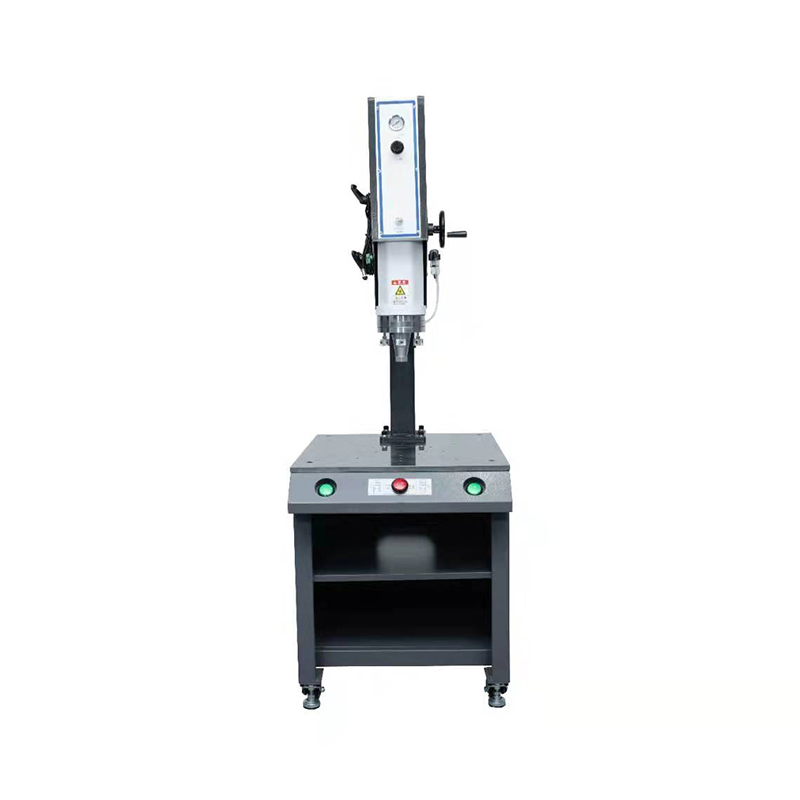 AH-DSL 15kHz 4200W Automated Plastic Welding MachineDesigned for high-volume manufacturing, this pneumatic machine offers programmable cycles, energy mode, and 485 communication. Its higher power output and larger stroke suit medium to large parts, helping reduce labor and scrap in continuous production.View Product →
If you want to compare power ratings, frequencies, and operating features side by side, our guide to ultrasonic welding machine models and specifications explains the typical choices and what they mean for different applications.
Ultrasonic welding is generally clean and safe, but it still requires respect for the equipment. Operators should never touch the horn or the welding area while the machine is energized. Horns vibrate at very high frequency and can cause injury if the hands are in the weld zone. Acoustic covers, ear protection, and proper training all play a role in a safe working environment.
With regular care, an ultrasonic plastic welding machine can deliver reliable service for many years. Small issues like a loose horn, dirty tooling, or a drifting pressure setting can cause weak welds, so it pays to build a simple maintenance routine into your production schedule.
Ultrasonic plastic welding is one of the most efficient joining methods in modern manufacturing. It gives you speed, repeatability, and clean joints without adding consumables or drying time. Whether you are bonding small medical components, assembling automotive parts, or producing everyday plastic goods, the process can adapt to a wide range of materials and part geometries.
If you are planning a new assembly line or upgrading an existing process, talk to a manufacturer who understands both the technology and the real-world demands of production. A little time spent on material testing, joint design, and machine selection will save you far more time once the line is running.

Copyright © ChangZhou AoHeng Machinery Co., Ltd. All Rights Reserved