English
 中文简体
中文简体 русский
 Español
Home / Blog / Industry News / Ultrasonic Plastic Welding: Process, Materials, Joint Design & Machine Tips


Request A Quote
Ultrasonic plastic welding looks deceptively simple from a distance. A horn touches two plastic parts, a quiet hum runs through the fixture, and a moment later the parts are joined as if they had been molded as one piece. Underneath that brief cycle sits a well-understood physical process: high-frequency mechanical vibration, usually between 15 and 40 kHz, creates heat at the interface between the parts, melting a thin layer of polymer that solidifies under pressure and forms a strong, clean bond. No adhesives, no solvents and no metal fasteners are involved.
For manufacturers in textiles, nonwovens, disposable hygiene, automotive interiors, medical devices and consumer goods, this process has become a standard production method. We build ultrasonic machines and the tooling that drives them, and the notes below cover what matters most: how the process works, which plastics weld well, how joints should be designed, and how to choose the right machine.
Content
Every ultrasonic weld follows the same basic cycle, and once you understand it, troubleshooting becomes far easier. A generator converts mains power into a high-frequency electrical signal; a transducer turns that signal into mechanical vibration; a booster and horn amplify and deliver that vibration to the exact point where the two parts meet.
The vibration does not melt plastic directly. It causes rapid molecular friction along the joint surface, and energy directors, small raised features molded into one of the parts, concentrate that friction so melting begins precisely where it is needed. A typical cycle runs as follows:
Weld times are commonly measured in fractions of a second, and complete cycles well under two seconds are normal on automated lines.
Compared with adhesives, solvents, hot plates or screws, ultrasonic welding offers a combination of speed, cleanliness and consistency that is hard to match.
Ultrasonic welding works best when two parts are made from the same polymer, or from polymers with similar melting temperatures and molecular structures. Amorphous resins soften gradually over a wide temperature range, which makes them forgiving and easy to weld. Semi-crystalline resins melt sharply and transmit vibration differently, so they usually need higher amplitude, stiffer fixturing and carefully designed energy directors.
| Material | Structure | Weldability | Practical Notes |
|---|---|---|---|
| ABS, PS, PC, PMMA, PVC | Amorphous | Excellent | Wide welding window; easy to automate |
| PP, PE | Semi-crystalline | Good | Requires higher amplitude and firm support |
| PA, POM | Semi-crystalline | Good | Dry the material first to avoid porosity |
| PET, PBT | Semi-crystalline | Moderate | Higher energy and precise joint design needed |
| Glass-filled grades | Either | Moderate | Abrasive filler wears horns faster; shorter tool life |
| PTFE, silicone | Either | Poor | Low friction and high melt viscosity resist welding |
Moisture matters too. Hygroscopic resins such as nylon and polycarbonate absorb water from the air, and that water turns to steam under the horn, producing bubbles and weak joints. Drying before welding is a simple step that prevents a great deal of scrap.
Most welding problems are designed in long before they appear on the line. The joint has to concentrate energy, align the parts and control how molten material flows. Three designs cover the majority of applications.
A small triangular ridge, typically 0.3 to 0.8 mm high, runs along the joint surface of one part. It melts first, and the molten polymer then flows across the interface to form the bond. Energy directors are simple, economical and ideal for amorphous resins and small to medium parts.
One part has a recess and the other a matching lip, and the two surfaces rub against each other as welding progresses. Shear joints deliver the strongest, most airtight joints and are the usual choice for semi-crystalline materials and parts that must hold pressure or resist vibration.
These hybrids combine self-alignment with an energy-director effect, which reduces flash and keeps the weld line tidy. They are popular in housings and cases where appearance matters as much as strength. Whichever design you use, the horn and fixture must match it, so it is worth reviewing tooling and fixturing solutions before committing to a mold.
The process appears wherever plastic parts need to be joined quickly and cleanly. Medical filters, catheters and fluid containers rely on it for leak-free assemblies. Automotive suppliers weld interior trim, lighting components and under-hood parts. Consumer electronics use it for housings and switches, while packaging lines seal cups, trays, pouches and blister packs. In the nonwovens world, ultrasonic bonding holds together disposable shoe covers, pillowcases, caps, gloves and sanitary products at high speed with no thread or glue.
Because the tooling is compact, the same principle serves everything from a single bench machine to a fully automated rotary line.
Machines differ mainly in power, frequency and how the horn is presented to the part. Frequency is matched to the job: 15 kHz units deliver more amplitude and suit large or semi-crystalline parts, 20 kHz is the general-purpose sweet spot, and 30 to 35 kHz units are chosen for small, delicate components where heat and surface marking must be minimized.
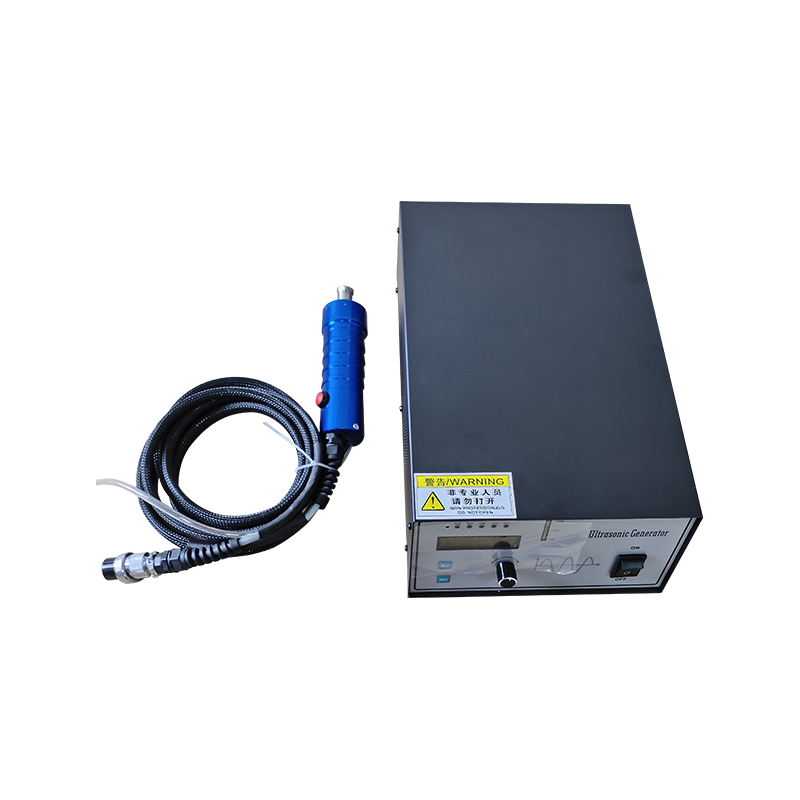
For repairs, prototyping and small batch assembly, a handheld welder gives you the freedom to move the tool along a seam.
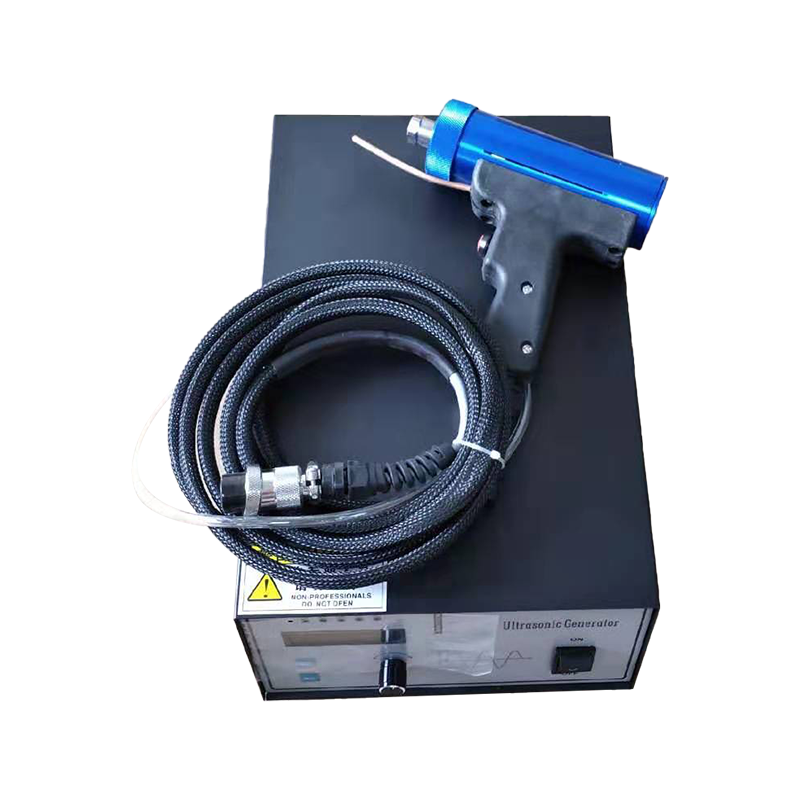 AH-30 Sonic custom handheld ultrasonic welderThe handheld ultrasonic welder has a firm welding surface, high strength, small size, beautiful welding, simple operation, strong power output, and the handheld spot w...View Product →
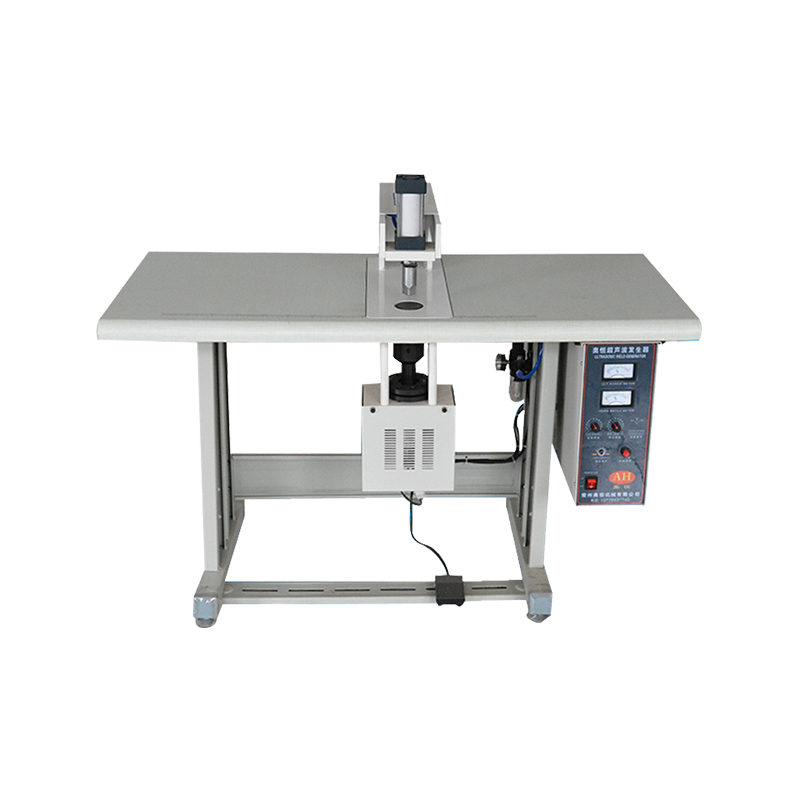
When you need repeatable, jig-controlled spot welds on molded parts, a dedicated spot welding machine with a pneumatic press provides consistent force and cycle timing.
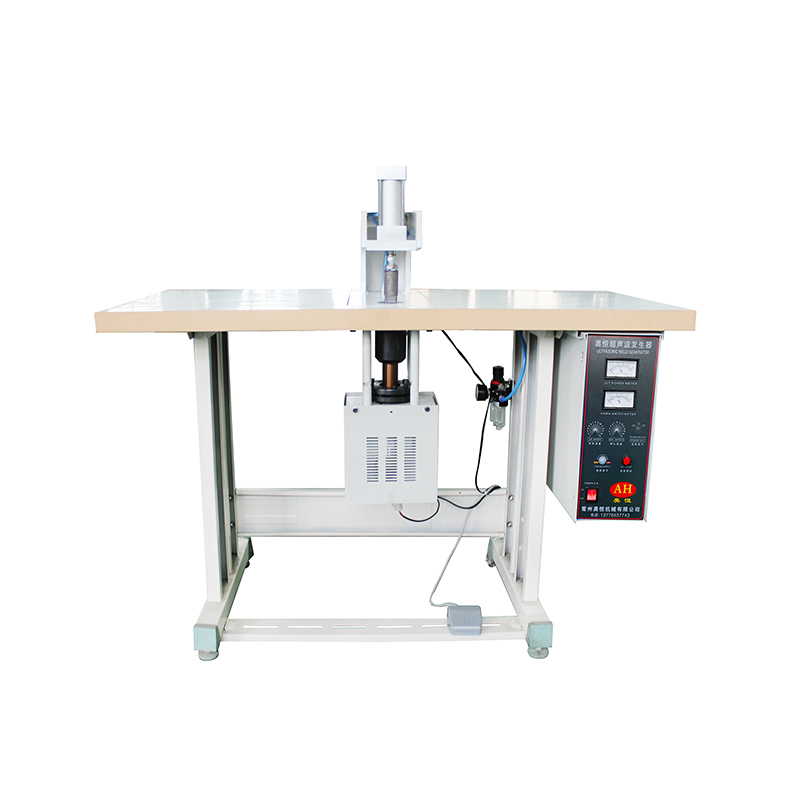 AH-50Q Ultrasonic spot welding machineUse the principle of ultrasonic waves to make non-woven handbags. The punching hole does not require any auxiliary materials to be welded to the handbag. The starting ...View Product →
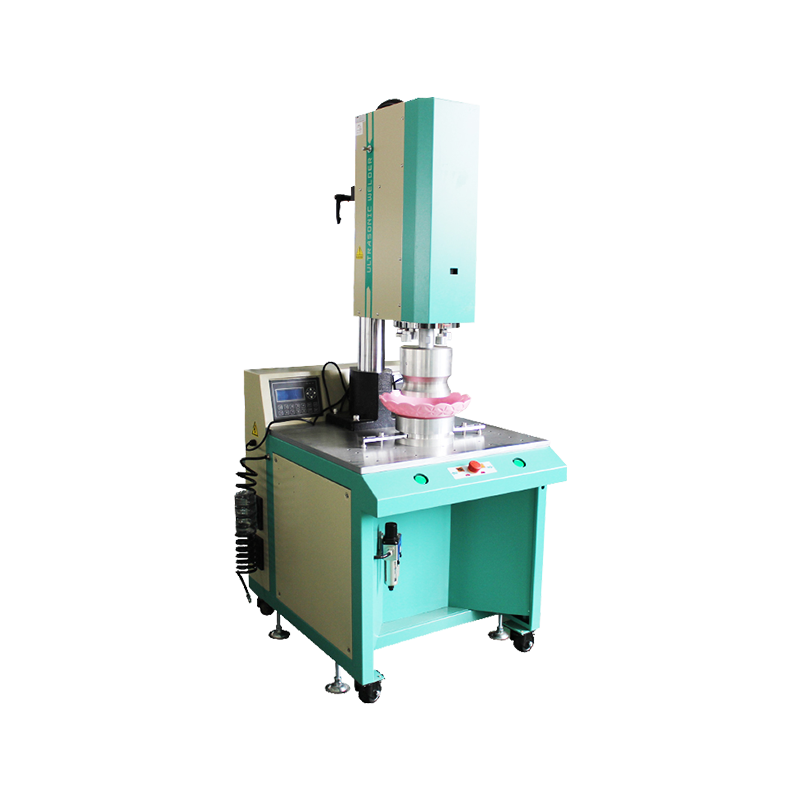
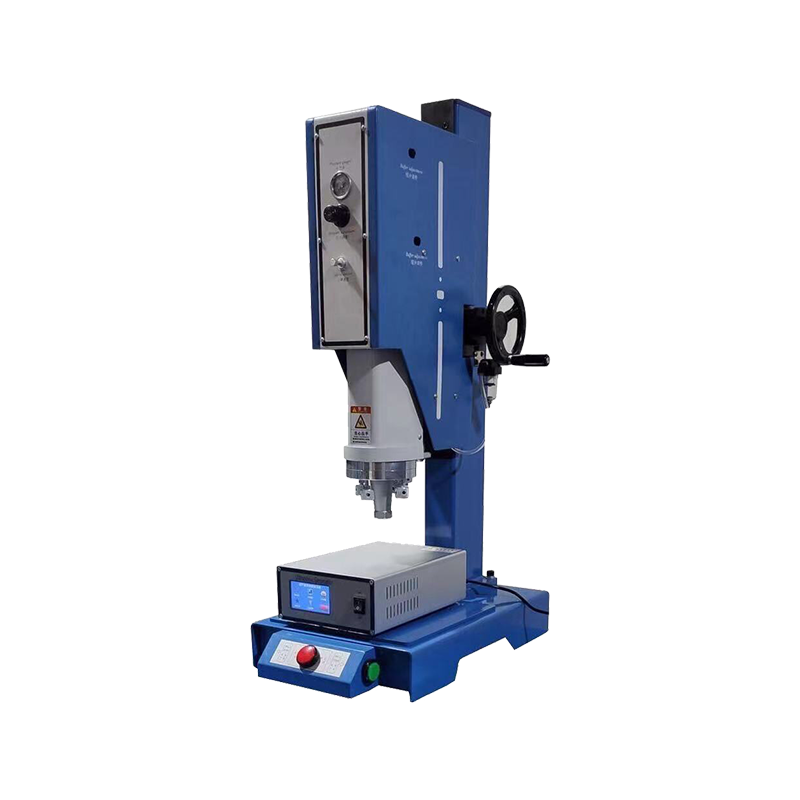
For heavier production such as large housings and thick-walled components, a high-power plastic welding machine with a rigid frame and stable generator is the better foundation.
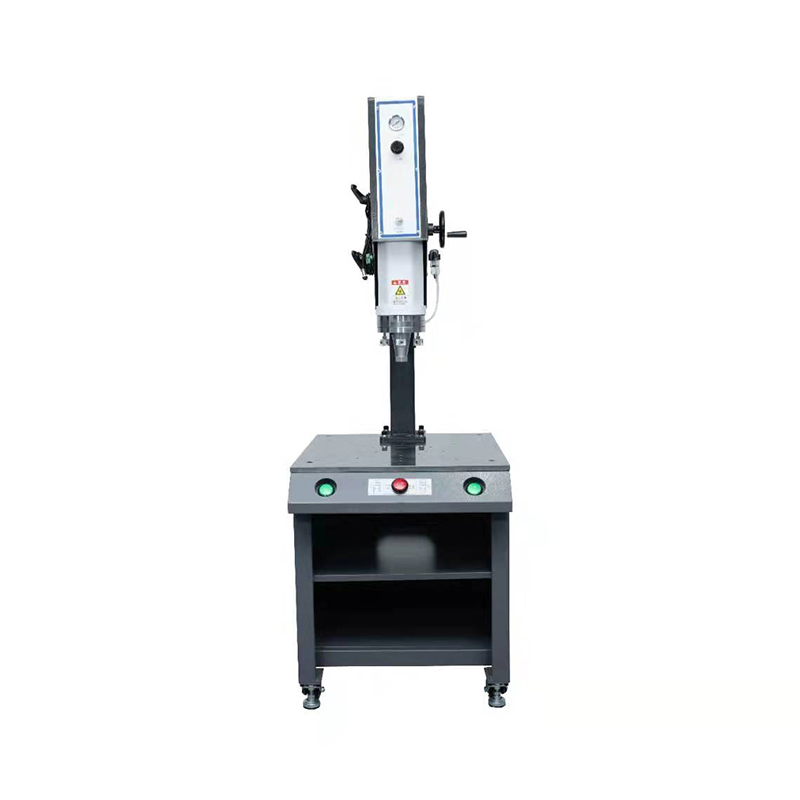 AH-DSL 15KHz 4200w Plastic welding machine1. The whole machine is gravity die-casting casting, CNC machine tool processing, and high precision.View Product →
Horn geometry, booster ratio and fixture design matter just as much as the machine itself, which is why we also build custom ultrasonic molds and welding horns for customers who need a specific weld profile. You can review the wider range of ultrasonic welding machines we manufacture, or simply tell us what you are joining and we will recommend a configuration.
Even a well-chosen machine will underperform if the basics slip. A few habits separate plants that weld reliably from plants that fight scrap every shift.
Preventive maintenance costs far less than a rejected production batch, and most of it takes only minutes a day.
Ultrasonic plastic welding rewards preparation. Get the material pairing, the joint design and the tooling right, and the process becomes one of the most reliable and economical joining methods available to modern manufacturers. Get them wrong, and no amount of tuning at the machine will fix it.
If you are planning a new production line or improving an existing one, our team is glad to review your parts, suggest a joint design and build a machine around your product rather than the other way around. Share your drawings, material and output target, and we will come back with a practical proposal.

Copyright © ChangZhou AoHeng Machinery Co., Ltd. All Rights Reserved