English
 中文简体
中文简体 русский
 Español
Home / Blog / Industry News / Ultrasonic Bag Sealing Machines vs. Heat Sealing Machines: Key Differences


Request A Quote

Bag sealing is a critical process in packaging, ensuring products are protected from contamination, leakage, and spoilage. Two common methods for sealing plastic and laminated bags are ultrasonic sealing and traditional heat sealing. While both methods achieve strong seals, they differ significantly in technology, efficiency, and application suitability.
Content
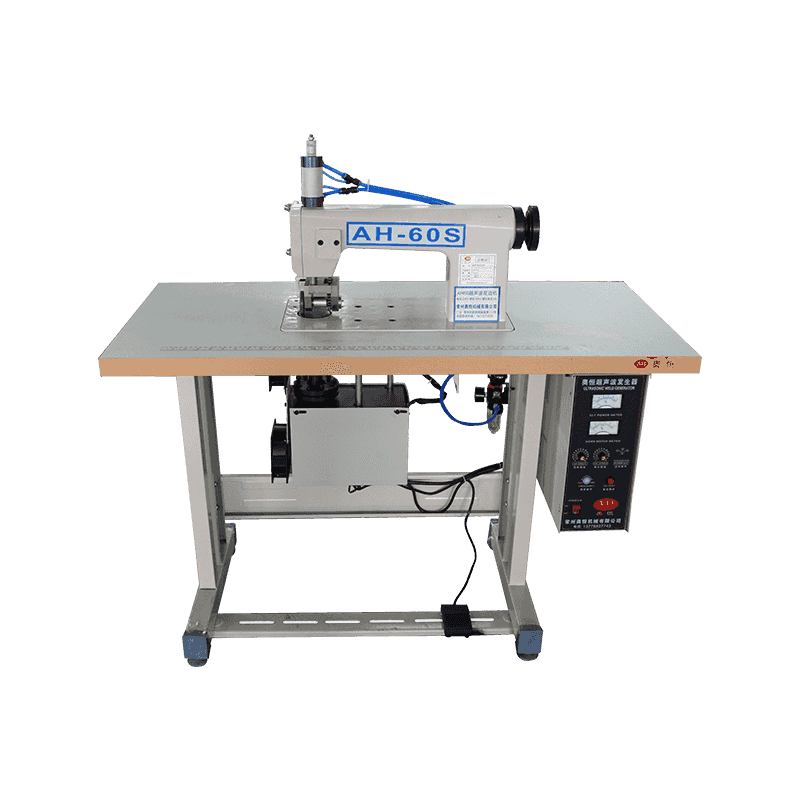
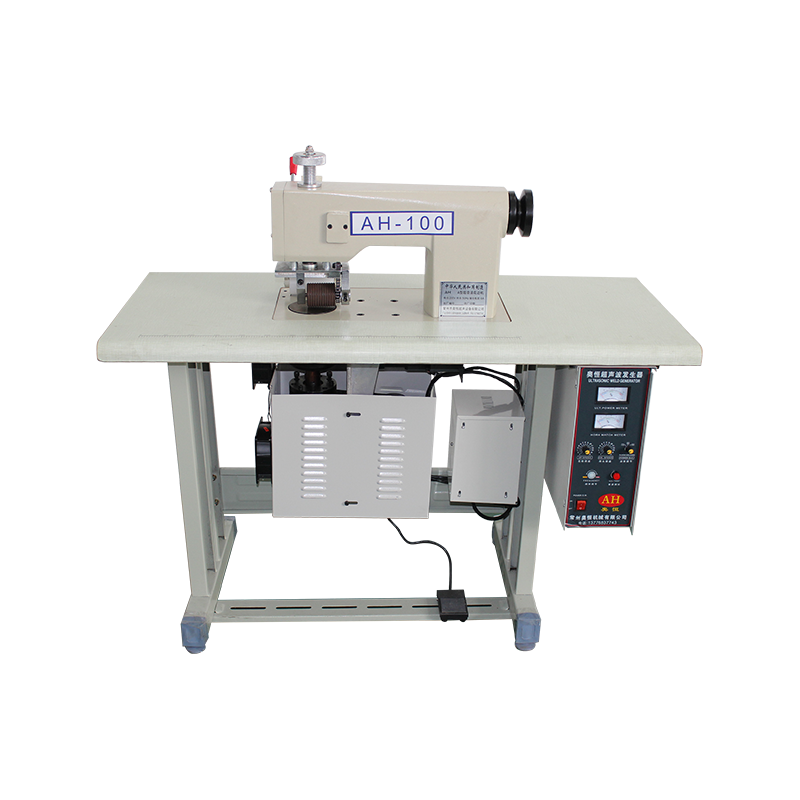
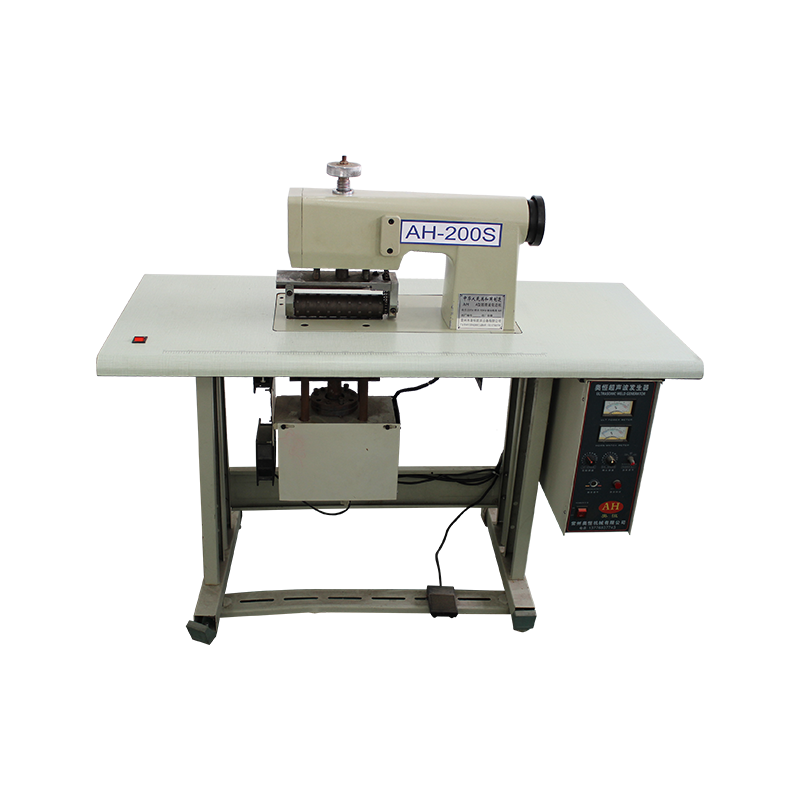
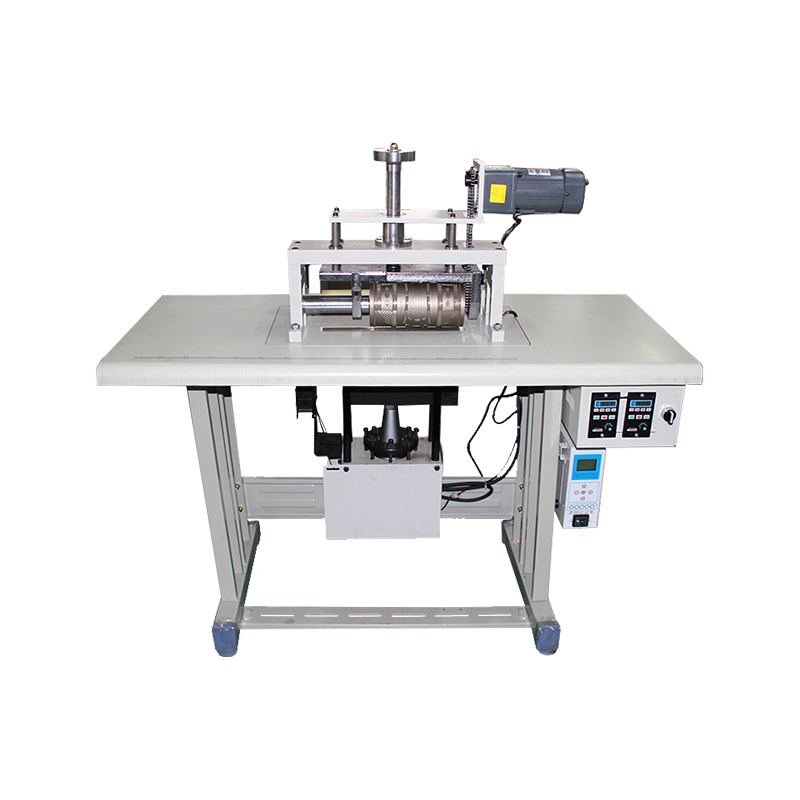
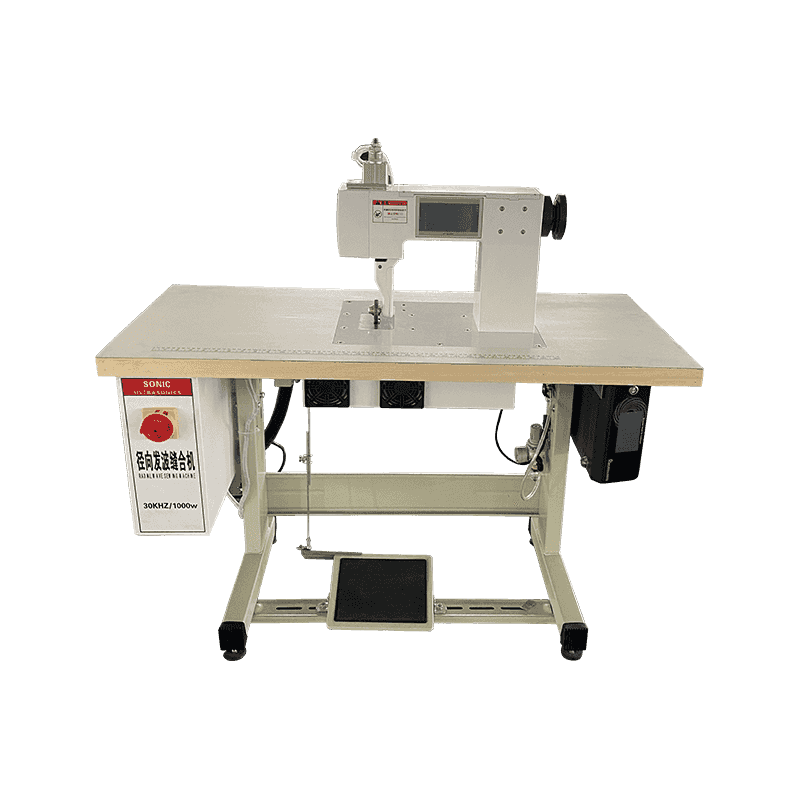
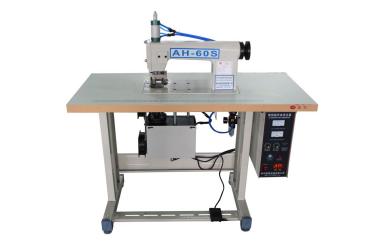
Ultrasonic bag sealing machines use high-frequency sound waves to generate friction at the molecular level of the plastic material. This friction melts and bonds the material without external heat. Heat sealing machines, on the other hand, rely on heating elements to directly melt and fuse the bag material. The difference in technology affects energy consumption, sealing speed, and the types of materials that can be sealed effectively.
Ultrasonic sealing provides rapid and precise sealing without applying direct heat. It is especially suitable for temperature-sensitive materials, thin films, and laminated bags. The ultrasonic process minimizes the risk of material distortion and ensures consistent seal quality. No external heating elements are required, which reduces energy use and maintenance needs.
Heat sealing machines require the material to be pressed against a heated surface to create a bond. The process is slower than ultrasonic sealing and may lead to uneven sealing or deformation in thin or heat-sensitive materials. Heat sealing works well for common polyethylene and polypropylene bags, but it may be less effective for multilayer laminates or coated films.
Ultrasonic bag sealing machines generally operate faster than heat sealing machines. Since ultrasonic sealing does not require the heating and cooling of elements, the sealing process can be completed in a fraction of a second, enabling high-speed packaging lines. Heat sealing machines require additional time for the heating element to reach the desired temperature and for the seal to cool, which reduces overall throughput.
Material selection is a key factor when choosing between ultrasonic and heat sealing. Ultrasonic sealing is effective on a wide range of thermoplastic materials, including thin films, laminates, and multilayer bags. Heat sealing is suitable for standard polyethylene and polypropylene but may struggle with composite or coated materials, requiring higher temperatures and longer sealing times.
Both sealing methods provide strong and durable seals when applied correctly. Ultrasonic seals tend to be more uniform, clean, and free of wrinkles or burn marks. Heat sealing may leave visible heat marks, uneven edges, or slight deformation, especially on thin or delicate bags. For high-quality presentation and precision packaging, ultrasonic sealing offers clear advantages.
Ultrasonic sealing machines are more energy-efficient because they generate heat internally through molecular vibration, without the need to preheat large elements. Maintenance is also simpler, as there are no heating coils to replace. Heat sealing machines consume more energy due to heating elements and may require frequent replacement or calibration of the heating surfaces for consistent sealing performance.
| Feature | Ultrasonic Bag Sealing | Heat Sealing |
|---|---|---|
| Sealing Method | High-frequency vibrations bond material at molecular level | Direct heat melts and fuses material |
| Speed | Very fast; suitable for high-speed production | Slower; requires heating and cooling time |
| Material Compatibility | Thermoplastics, laminates, multilayer films | Standard polyethylene and polypropylene |
| Seal Appearance | Clean, uniform, no burn marks | May show wrinkles, burn marks, or deformation |
| Energy Consumption | Low; no preheating required | High; continuous heating needed |
| Maintenance | Minimal; no heating elements to replace | Higher; heating elements require replacement and calibration |
Choosing between ultrasonic and heat sealing machines depends on production speed, material type, and desired seal quality. Ultrasonic bag sealing machines offer fast, energy-efficient, and precise sealing, making them ideal for high-speed or delicate packaging. Heat sealing machines remain suitable for standard plastic bags and simpler applications, though they may require more energy and maintenance. Understanding these differences ensures optimal packaging performance and long-term reliability.

Copyright © ChangZhou AoHeng Machinery Co., Ltd. All Rights Reserved