English
 中文简体
中文简体 русский
 Español
Home / Blog / Industry News / Applications of Nonwoven Cutting Machines in Medical and Industrial Products


Request A Quote

Content
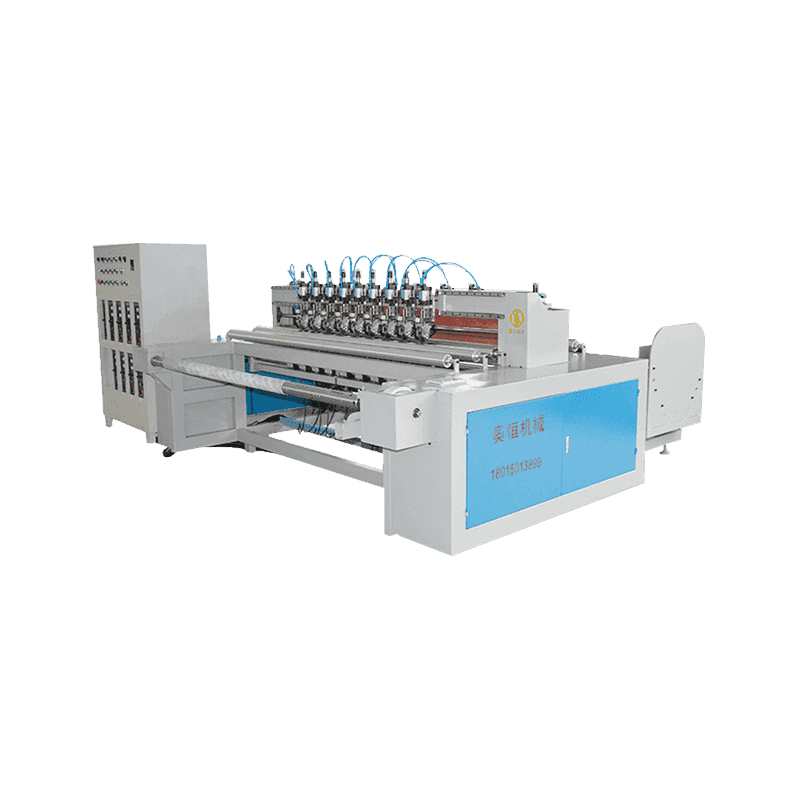
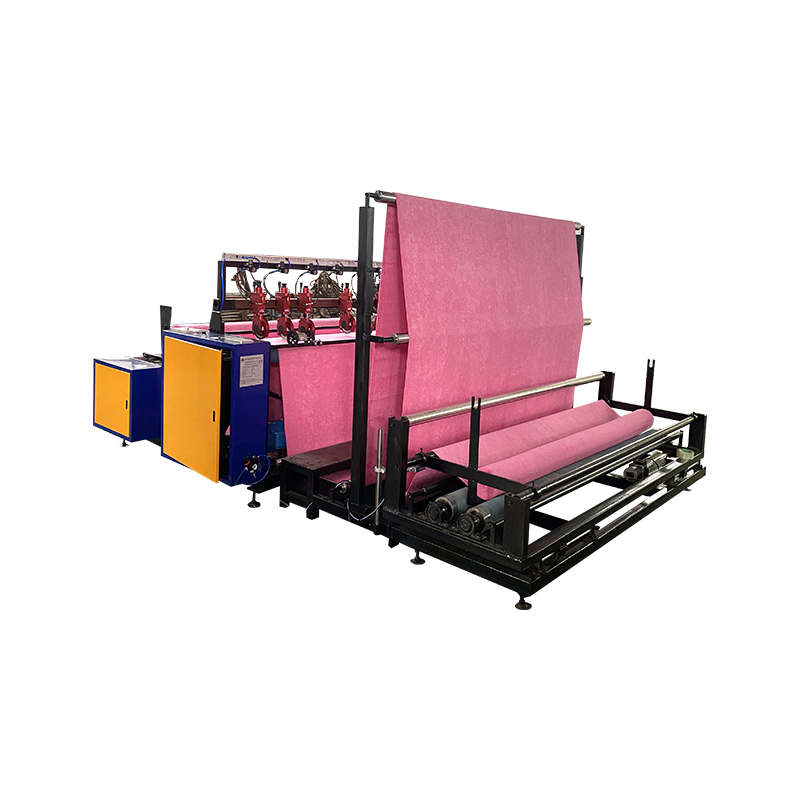
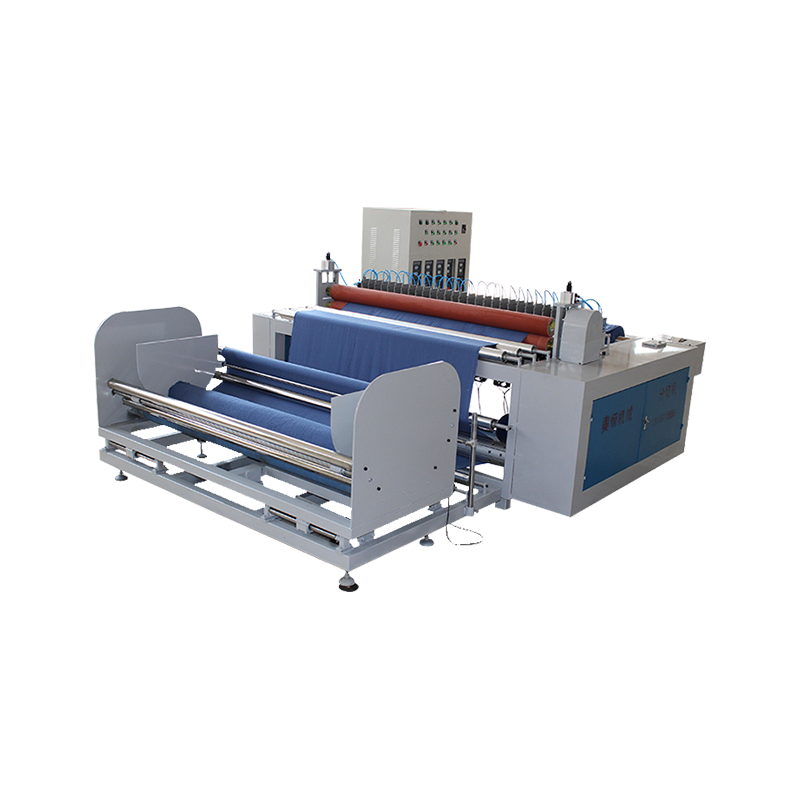
Nonwoven cutting machines are specialized equipment designed to cut nonwoven fabrics with precision, speed, and consistency. These machines are widely used in medical and industrial manufacturing due to their ability to handle large volumes, maintain accurate dimensions, and produce uniform products. The versatility of nonwoven cutting machines makes them essential for industries where quality, efficiency, and hygiene are critical.
In the medical field, nonwoven materials are used extensively for disposable products, surgical items, and protective equipment. Nonwoven cutting machines play a key role in ensuring these products meet strict safety and quality standards.
Nonwoven cutting machines accurately cut layers of fabric used in surgical masks and N95 respirators. Precision cutting ensures proper fit and coverage, which are critical for effective filtration and protection. The machines can handle multi-layered nonwoven stacks, improving production speed and reducing material waste.
Disposable gowns and surgical drapes require large sheets of nonwoven material to be cut into precise dimensions. Cutting machines provide consistent sizing and edge quality, which is essential for both patient safety and comfort. Automation of cutting reduces labor costs and increases production efficiency in high-demand settings.
Nonwoven cutting machines are used to produce sterile pads, bandages, and dressings. The machines enable precise cutting of absorbent materials into uniform sizes, ensuring consistent coverage and performance. High-speed cutting also supports large-scale production without compromising quality.
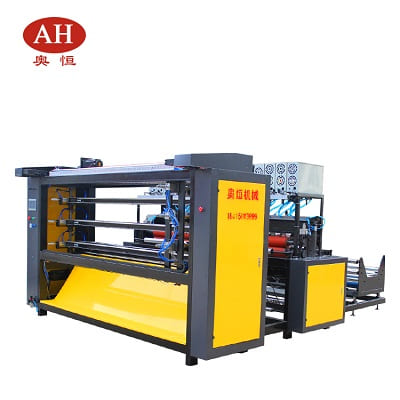
Beyond medical applications, nonwoven cutting machines are widely utilized in industrial manufacturing. Industries such as automotive, filtration, packaging, and construction benefit from the precision and efficiency of these machines.
Nonwoven materials are used for insulation, padding, and interior components in vehicles. Cutting machines produce accurately sized panels, mats, and linings, which fit perfectly into assembly lines. This precision reduces waste and ensures consistent product quality for soundproofing and thermal insulation applications.
Air and liquid filters often use nonwoven layers for effective filtration. Cutting machines create uniform filter media sheets that maintain proper flow and filtration efficiency. This application is critical for HVAC systems, water treatment, and industrial filtration where performance consistency is mandatory.
Nonwoven cutting machines produce packaging materials, protective wraps, and industrial sheets used for covering, wrapping, and protecting products. Precision cutting ensures uniformity in size, making handling, shipping, and storage more efficient and reducing material waste.
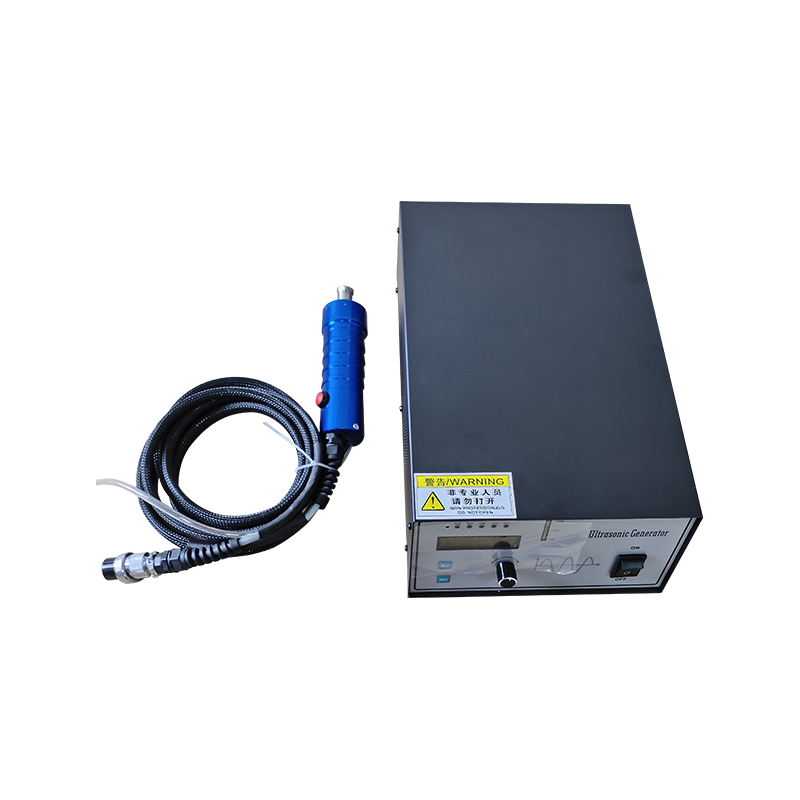
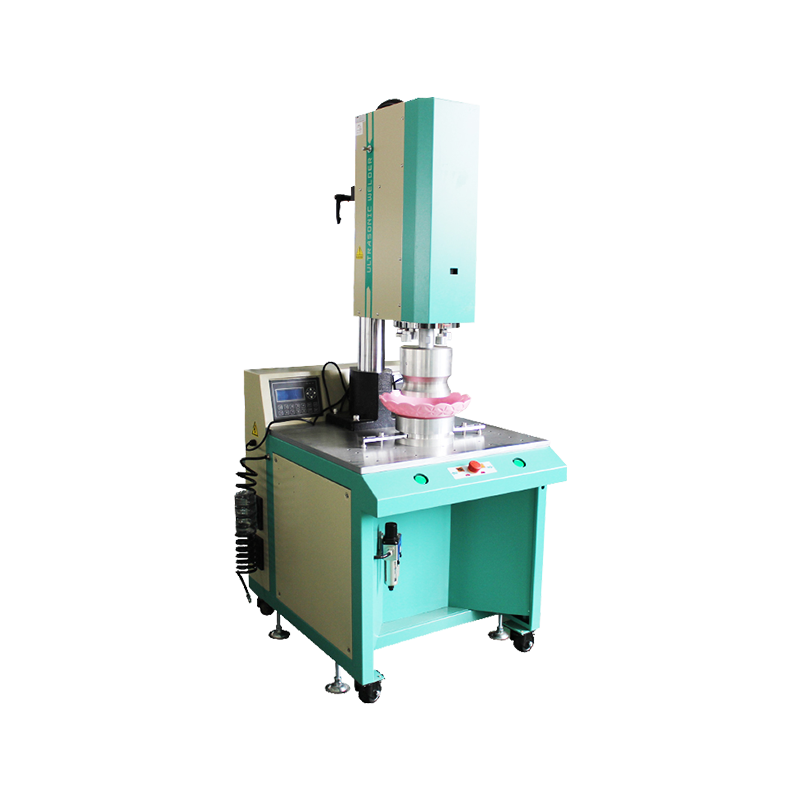
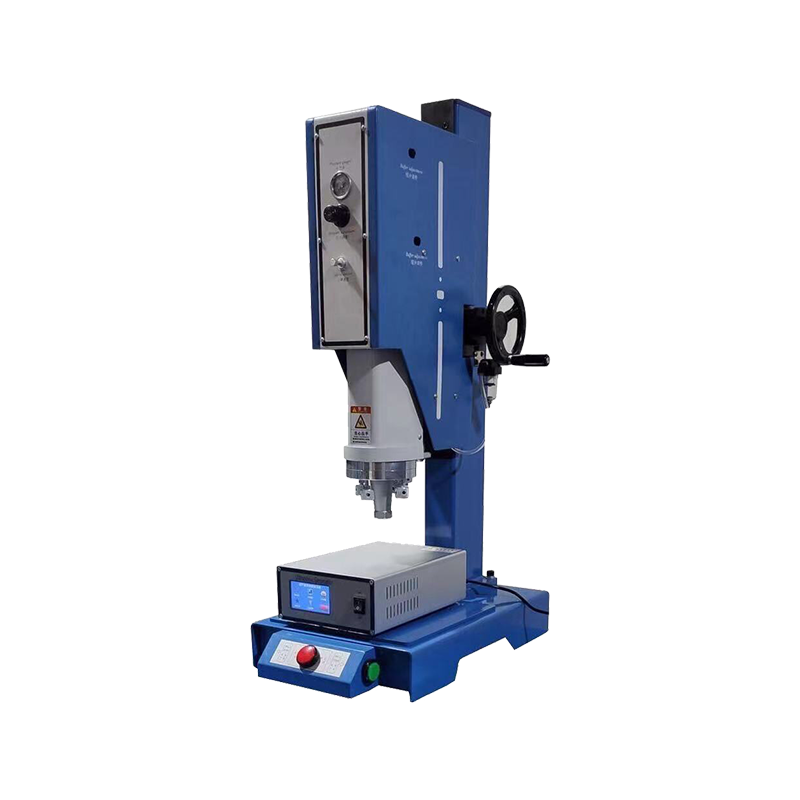
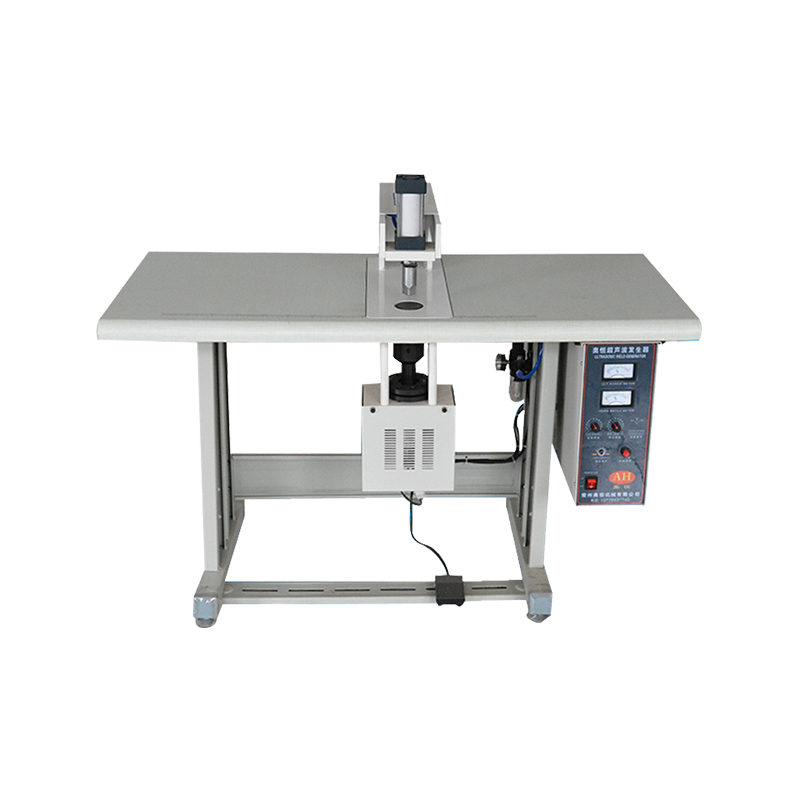
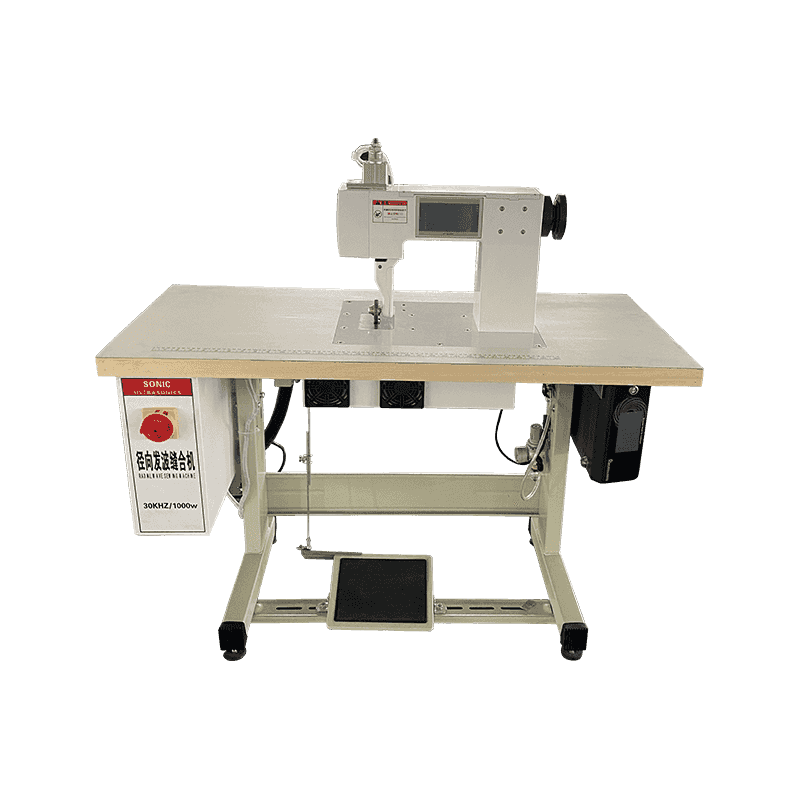
Nonwoven cutting machines are designed to handle a wide range of materials, including spunbond, meltblown, and composite nonwovens. Choosing the right cutting method—such as rotary blade, ultrasonic, or laser cutting—depends on material thickness, product requirements, and production volume.
Investing in nonwoven cutting machines offers numerous advantages for both medical and industrial applications:
Nonwoven cutting machines are indispensable in both medical and industrial manufacturing. They ensure precision, efficiency, and consistency across a wide range of products, from surgical masks and medical gowns to automotive insulation and industrial filters. By choosing the right machine and cutting method, manufacturers can achieve high-quality outputs, reduce waste, and maintain a competitive edge in their production processes.

Copyright © ChangZhou AoHeng Machinery Co., Ltd. All Rights Reserved