English
 中文简体
中文简体 русский
 Español
Home / Blog / Industry News / Plastic Ultrasonic Welding: Process, Materials, Joint Design & Equipment Selection


Request A Quote

Your injection-molded polycarbonate housing and ABS base arrive at final assembly as two parts, but the finished product needs to perform as one piece. Adhesive adds curing time, ventilation, and bond-line thickness variation. Screws mean extra parts, drilled holes, and an extra assembly step. Plastic ultrasonic welding fuses the two components in under a second, creates a bond as strong as the resin itself, and adds no consumables to the bill of materials. For a growing number of manufacturers, that combination of speed, cleanliness, and strength makes ultrasonic welding the first joining method they evaluate for a new plastic product.
Content
Plastic ultrasonic welding converts high-frequency electrical energy into mechanical vibration, then delivers that vibration to the joint area through a metal tool called a horn.
The welding phase lasts just 0.2 to 1.0 seconds. Because the heat is generated directly at the joint, the rest of the part stays cool, which eliminates warpage, heat damage, and long cooling conveyors.
The process earns its place on production lines through a short list of measurable benefits:
The first question is always the same: can my plastic be welded? The answer depends on whether the resin is amorphous or semi-crystalline.
Amorphous thermoplastics such as ABS, polycarbonate, polystyrene, and acrylic soften gradually across a wide temperature range, which gives the process a forgiving window and produces strong, consistent bonds. Semi-crystalline thermoplastics such as polypropylene, polyethylene, nylon, and acetal hold their structure until they reach their melt point, then turn into a low-viscosity liquid almost immediately. They are weldable, but they need higher energy, tighter process control, and a joint design that contains the melt.
| Resin family | Weldability | Practical notes |
|---|---|---|
| ABS | Excellent | Broad softening range, forgiving process window |
| Polystyrene (PS) | Excellent | Low melting point, fast weld times |
| Polycarbonate (PC) | Very good | Needs sufficient amplitude; dry resin avoids crazing |
| PMMA / Acrylic | Good | Clean joints, but excess energy causes surface whitening |
| Polypropylene (PP) | Moderate | Semi-crystalline; use shear joints and higher energy |
| Polyethylene (PE) | Moderate | Similar to PP, especially HDPE grades |
| Nylon (PA) | Good when dry | Moistened resin produces porous, weak welds |
| POM / Acetal | Poor | Risk of degradation and flash |
| PTFE | Not recommended | Too little friction to generate heat |
Dissimilar plastics can be welded only when the two resins are chemically compatible and their melt temperatures are close. ABS and acrylic are a common pair that welds well; blends such as PC/ABS work in practical production; polypropylene and polyethylene sit at the edge of feasibility. Filled resins add another variable: glass reinforcement raises the energy requirement and changes how the melt flows, so tests with production-grade parts are essential before tooling is cut.
For a closer look at material limits and the pitfalls that show up on the factory floor, this review of which thermoplastics are practical to weld covers the practical boundaries without the assumptions.
The energy has to concentrate somewhere. A flat contact area cannot generate enough localized heat, which is why joint geometry matters at least as much as the machine.
A triangular ridge molded onto one part contacts the opposite surface along a thin line. It melts first and spreads across the joint as the parts press together. Energy directors are the default choice for amorphous plastics and for parts with an accessible weld flange.
The upper part fits inside the lower part with a controlled interference. As the parts are pressed together, the melted layer is wiped along the vertical wall and forms a continuous, hermetic seal. Shear joints are the preferred form for semi-crystalline polymers and for containers that must hold liquid or gas.
A tongue on one part enters a groove on the other. Add a shear-fit interference, and the joint provides alignment, sealing, and higher strength in one feature. It is widely used in filters, reservoirs, and medical devices.
Machine selection starts with three parameters: frequency, output power, and configuration.
Lower frequencies such as 15 kHz produce larger amplitude, which suits large parts, long weld lines, and semi-crystalline resins. The 20 kHz range is the general-purpose standard for most plastic housings and components. Higher frequencies around 35 or 40 kHz give finer control for small, thin-wall, or delicate parts.
Power follows the size of the joint. A small ABS snap-fit may weld with a few hundred watts; a long joint on a glass-filled nylon part can demand 4,000 W or more. Ask the supplier for a reference calculation based on weld-line length, resin hardness, and contact area.
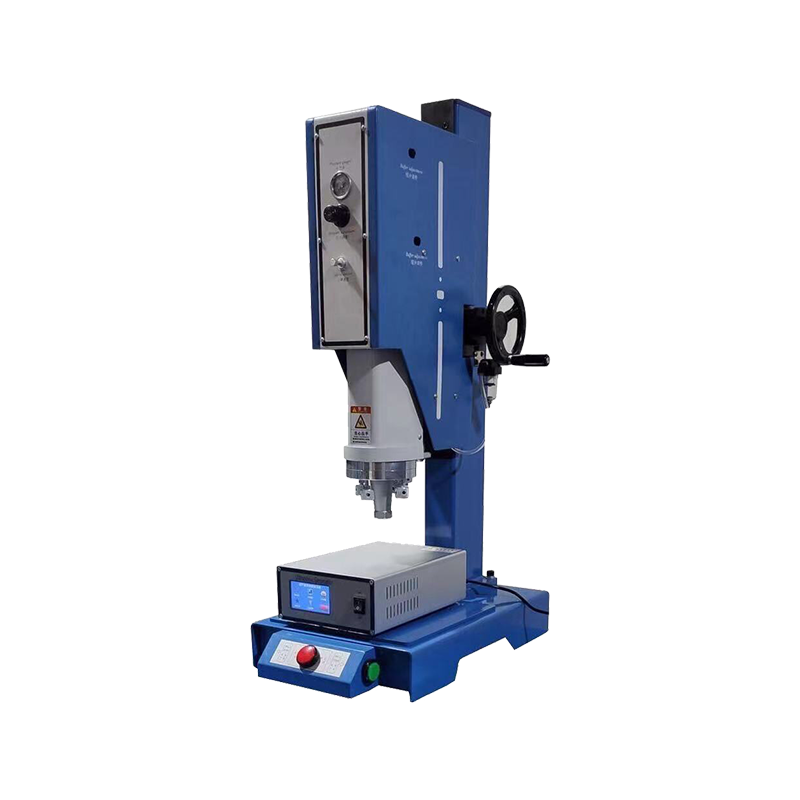
Configuration decides how the machine fits your plant. A bench press with pneumatic actuation suits automated cycles and high repeatability. A manual machine gives an operator direct control, which is valuable for prototypes and maintenance. A spot welder handles small, localized joints at the lowest cost.
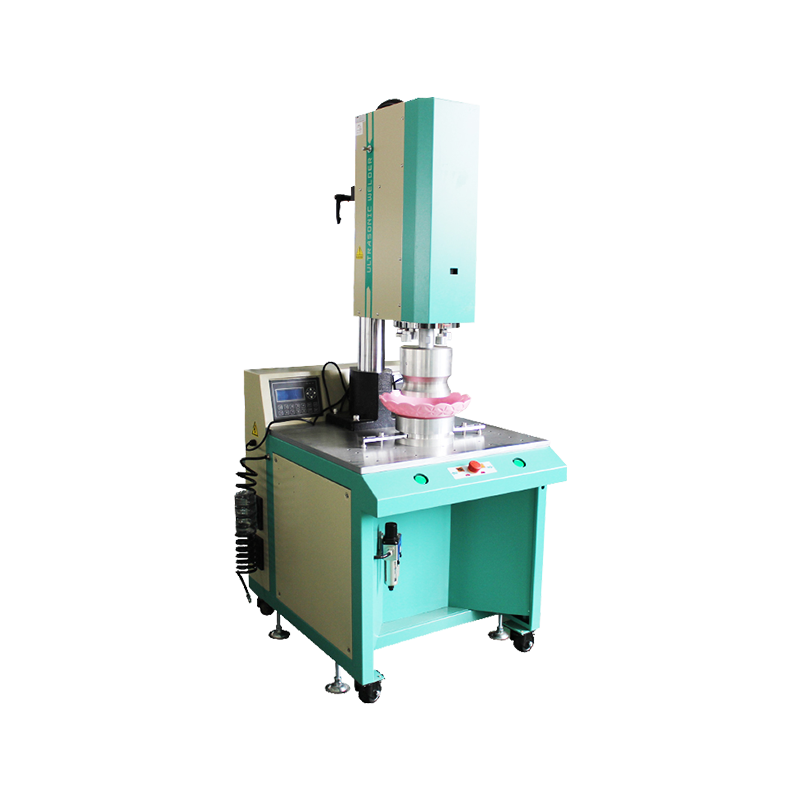
For large components and continuous production, the AHDSL 15 kHz 4200 W plastic welding machine provides the power and stable amplitude needed for long weld lines and demanding resins.
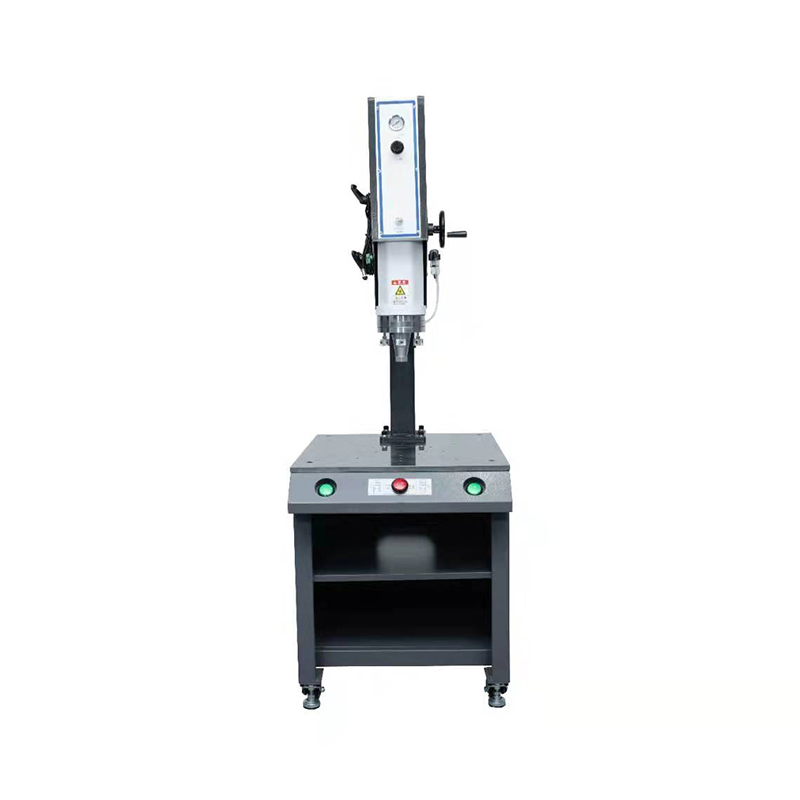 Custom AH-DSL 15KHz 4200w Plastic welding machine Suppliers, OEM/ODM Company - CChangzhou Aoheng Machinery Co., Ltd is China custom AH-DSL 15KHz 4200w Plastic welding machine suppliers and OEM/ODM company, details: M...View Product →
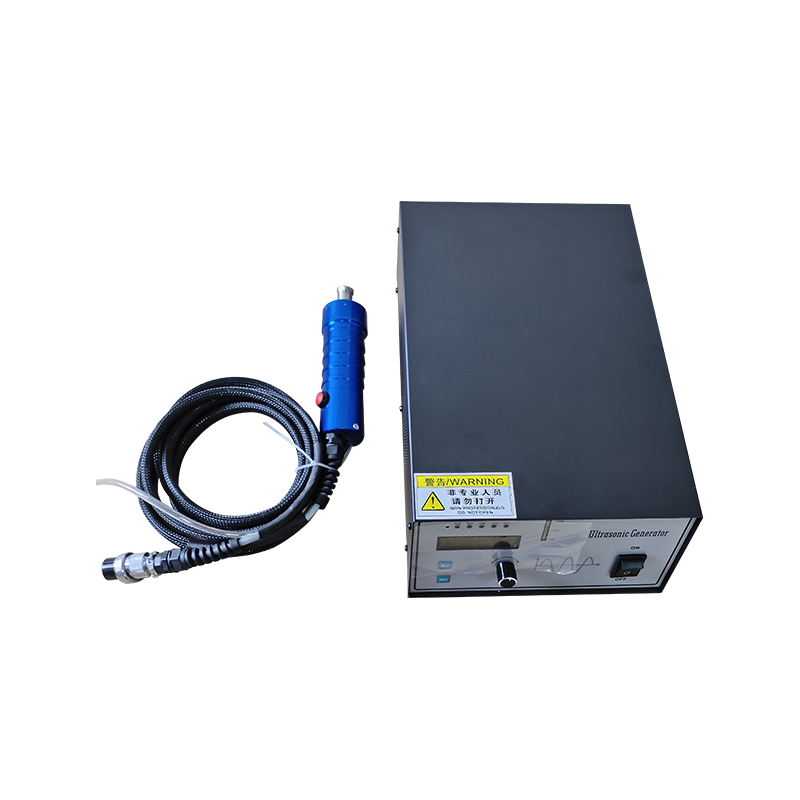
For repair departments and mixed-product runs in small batches, the AH-SL manual working mode plastic welding machine is easy to set up and does not require a compressed-air supply.
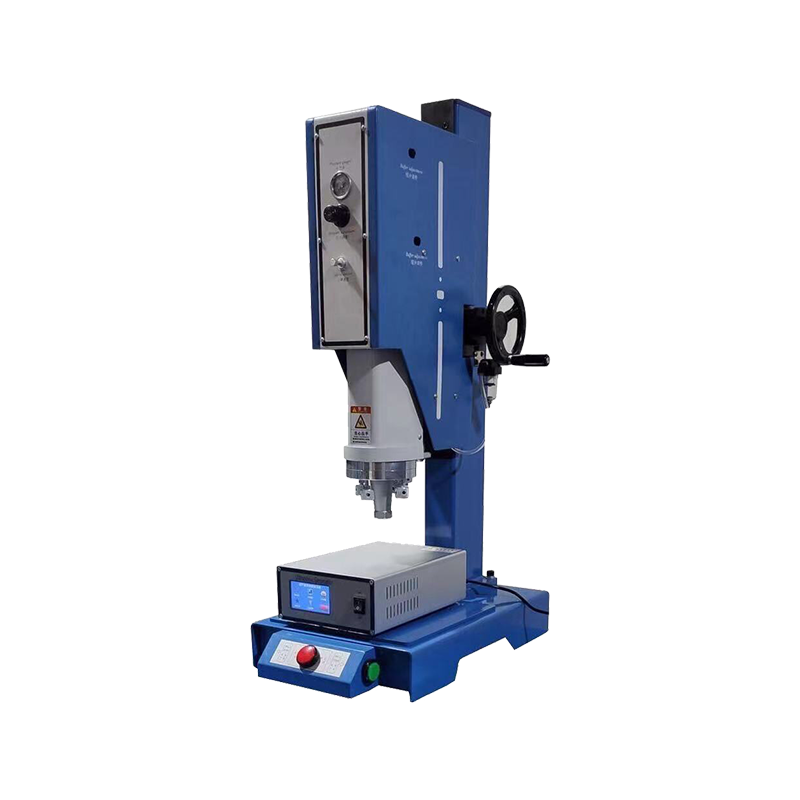 Custom AH-SL Manual working mode plastic welding machine Suppliers, OEM/ODM CompChangzhou Aoheng Machinery Co., Ltd is China custom AH-SL Manual working mode plastic welding machine suppliers and OEM/ODM company, deta...View Product →
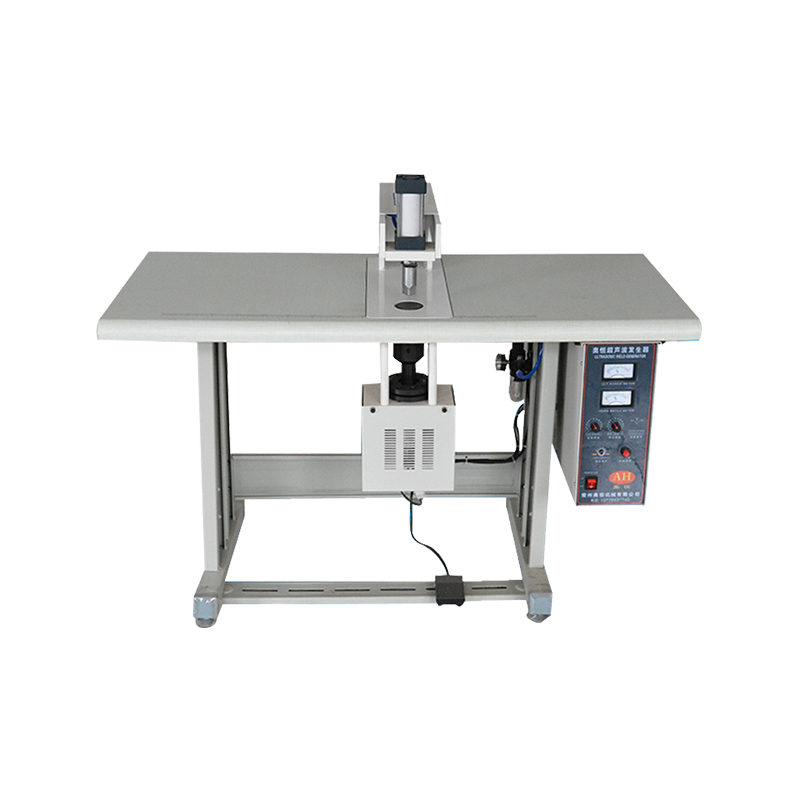
When the application is a quick attachment point on a film, fabric, or thin-walled plastic part, the AH-50Q ultrasonic spot welding machine fits in minimal bench space and keeps the cycle short.
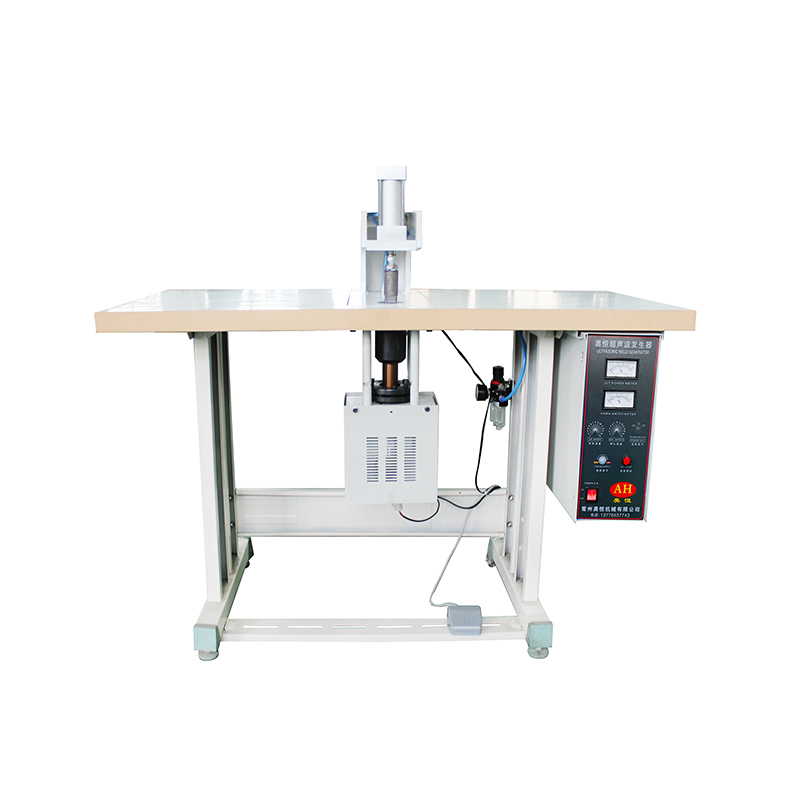 Custom AH-50Q Ultrasonic spot welding machine Suppliers, OEM/ODM Company - ChangChangzhou Aoheng Machinery Co., Ltd is China custom AH-50Q Ultrasonic spot welding machine suppliers and OEM/ODM company, details: Width...View Product →
A few checks at the purchasing stage prevent most field problems:
Plastic ultrasonic welding wins on the shop floor because it removes the slowest and messiest steps from joining two pieces. The resin must be compatible, the joint must focus the energy, and the machine must repeat its stroke accurately. When those three conditions are met, the process delivers cycle times measured in seconds, no consumables, and a bond that behaves like the material itself. Evaluate it during part design, because a few millimeters of molded joint geometry cost far less than a permanent secondary process.

Copyright © ChangZhou AoHeng Machinery Co., Ltd. All Rights Reserved