Request A Quote

An industrial fabric cutting machine is the single most productivity-determining piece of equipment in a textile or garment manufacturing operation. The right machine for cutting fabric reduces material waste, shortens lead times, improves cut quality, and determines how accurately patterns are reproduced across hundreds or thousands of plies. The correct choice depends on fabric type, production volume, required precision, and budget — but for most mid-to-large garment and technical textile operations, a CNC automated cutting system or straight-knife spreader-cutter combination delivers the best return on investment. Smaller operations or those cutting specialty materials often achieve better results with die cutters or laser cutting machines for textile applications.
Content
Fabric is typically the largest single cost component in garment manufacturing — accounting for 50–70% of total production cost in most apparel categories. Cutting accuracy directly determines fabric utilization: a poorly optimized cutting process can waste 15–20% of fabric per lay, while an automated CNC system with optimized marker planning routinely achieves waste rates below 10%. On a production run of 10,000 garments using fabric at $5/meter, the difference between 15% and 9% waste represents thousands of dollars in material savings per style.
Beyond material efficiency, cutting precision affects downstream assembly quality. Miscut panels cause seam alignment problems, size deviation, and consumer returns — all of which carry costs that dwarf the price difference between a basic and an automated cutting solution. A machine for cutting fabric, therefore, is not purely a capital equipment decision but a quality, productivity, and cost-of-goods decision simultaneously.
The textile and apparel industry uses several fundamentally different cutting technologies, each suited to specific production scenarios, fabric types, and precision requirements. Understanding the operating principle of each type is the foundation of correct machine selection.
The straight-knife cutter is the most widely used manual fabric cutting machine in the global garment industry. It consists of a vertically reciprocating blade — typically 10–33 cm (4–13 inches) in height — mounted on a wheeled base that an operator guides by hand along the cut line marked on the top ply of a fabric lay. The reciprocating motion (typically 2,800–3,400 strokes per minute) produces a clean cut through multiple fabric plies simultaneously.
Straight-knife machines are versatile enough to cut through lays of up to 100–150 plies of woven fabric and are available in corded and cordless (battery-operated) versions. Their primary limitations are cutting accuracy — which depends on operator skill — and the difficulty of cutting tight curves, small radius corners, and notches precisely. For these details, operators must follow up with band-knife finishing or die cutting.
Round-knife cutters use a circular rotating blade (diameter typically 6–13 cm / 2.5–5 inches) driven by an electric motor, operated by hand along the cut line. The rotating blade makes them particularly effective for straight cuts and gentle curves in lighter fabrics — single plies, light wovens, and knits — where the straight-knife's aggressive reciprocating action would cause fabric distortion. Round-knife machines cut fewer plies at once (typically up to 15–20 plies) and are commonly used in smaller production runs, sample cutting, and operations handling delicate or stretchy materials.
The band-knife machine uses a continuous loop of thin, sharp blade running over two pulleys at high speed — similar in principle to a woodworking band saw. The fabric pieces (already rough-cut from the lay by straight-knife) are fed by hand against the stationary blade to refine curves, corners, notches, and complex outline details that the straight-knife cannot achieve with sufficient accuracy. Band-knife machines are essentially finishing cutters used in conjunction with straight-knife primary cutting, rather than standalone primary cutting machines. Blade widths of 3–6 mm allow cutting radii down to approximately 5–10 mm, enabling precise outline work on collars, armscyes, curved hems, and intricate decorative pieces.
Die cutting uses a steel-rule die — a precisely formed blade set in a wood or steel base in the exact outline of the required piece — pressed hydraulically or mechanically through fabric plies to cut multiple identical pieces simultaneously. This method is particularly dominant in:
Hydraulic die cutters apply pressures of 20–200 tonnes depending on material thickness and hardness. The die itself represents a significant tooling cost — a single steel-rule die typically costs $150–$800 depending on complexity — but this is amortized over production runs of 50,000 to 500,000+ cuts per die.
CNC (computer numerical control) fabric cutting systems are the dominant technology in mid-to-high volume garment, automotive textile, and technical fabric manufacturing. They combine a computer-controlled cutting head — which may carry a straight blade, oscillating blade, or rotary blade — with a vacuum cutting table that holds the fabric lay flat and compressed, and CAD/CAM software that drives the cutting path directly from digital marker files. Cutting speed on modern CNC systems reaches 100–150 m/min for straight cuts, with reduced speeds on curves to maintain edge quality.
The defining advantage of CNC cutting machines for textiles is their combination of speed, precision, and material utilization. CNC systems cut with positional accuracy of ±0.1–0.3 mm regardless of operator skill, and their integration with nesting software (which calculates the most efficient arrangement of pattern pieces across the fabric width) routinely improves fabric utilization by 3–8% compared to manually laid markers — translating directly to material cost savings.
Laser cutting for textile uses a focused CO₂ laser beam — typically in the 80–300W power range for fabric cutting — to vaporize material along the cut line with no mechanical contact. This makes laser cutting the preferred method for:
The main limitations of laser cutting as a machine for cutting fabric are that it is generally a single-ply or low-ply process (most textile laser cutters handle 1–4 plies), it is unsuitable for natural fibers like wool and silk without risk of scorching, and the capital cost of a mid-range industrial textile laser cutter (typically $20,000–$80,000) is higher than equivalent-throughput mechanical CNC systems for high-ply cutting.
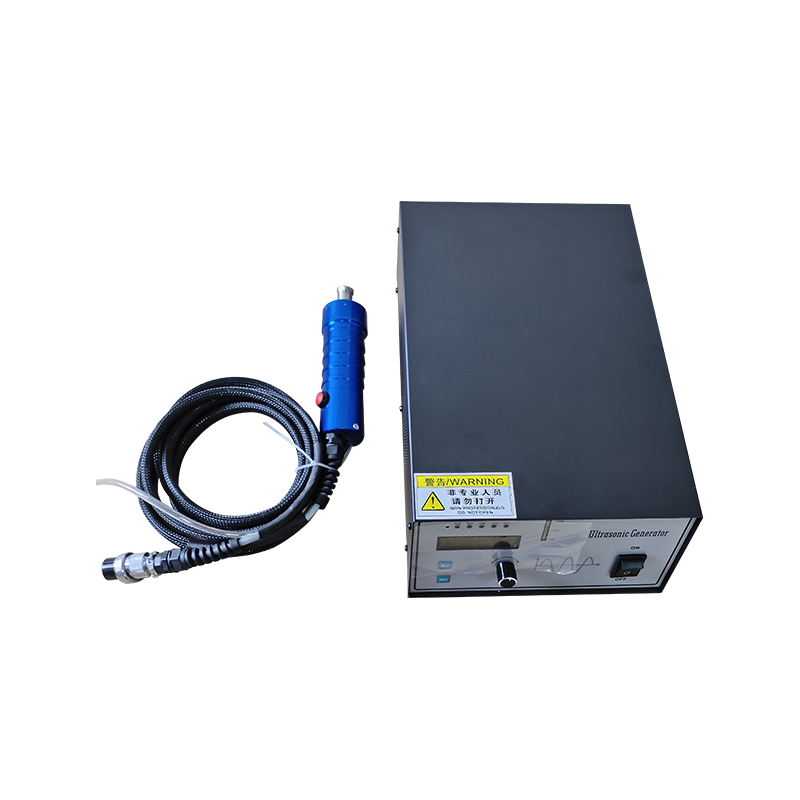
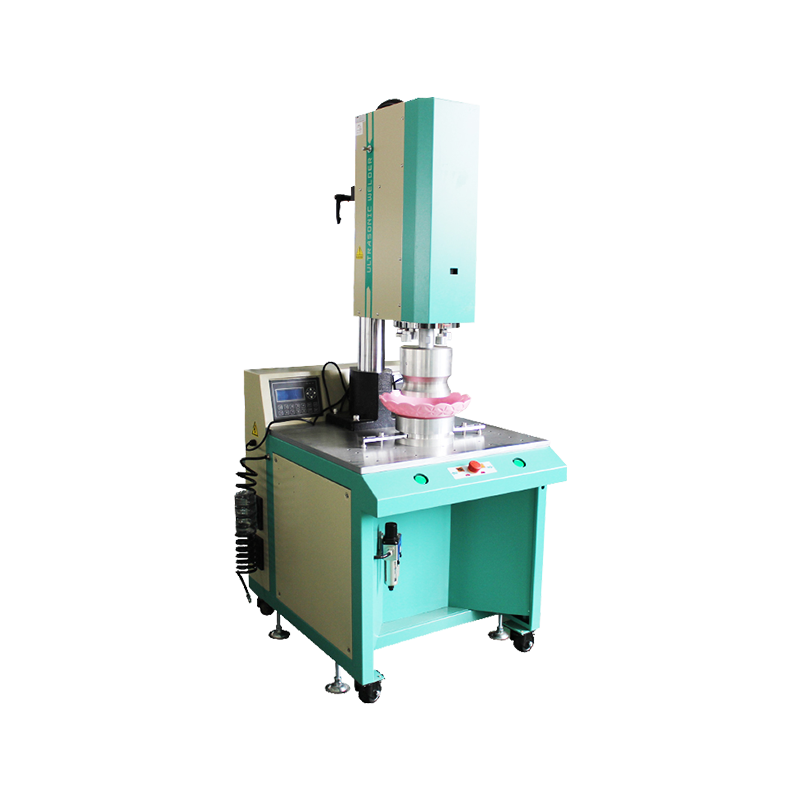
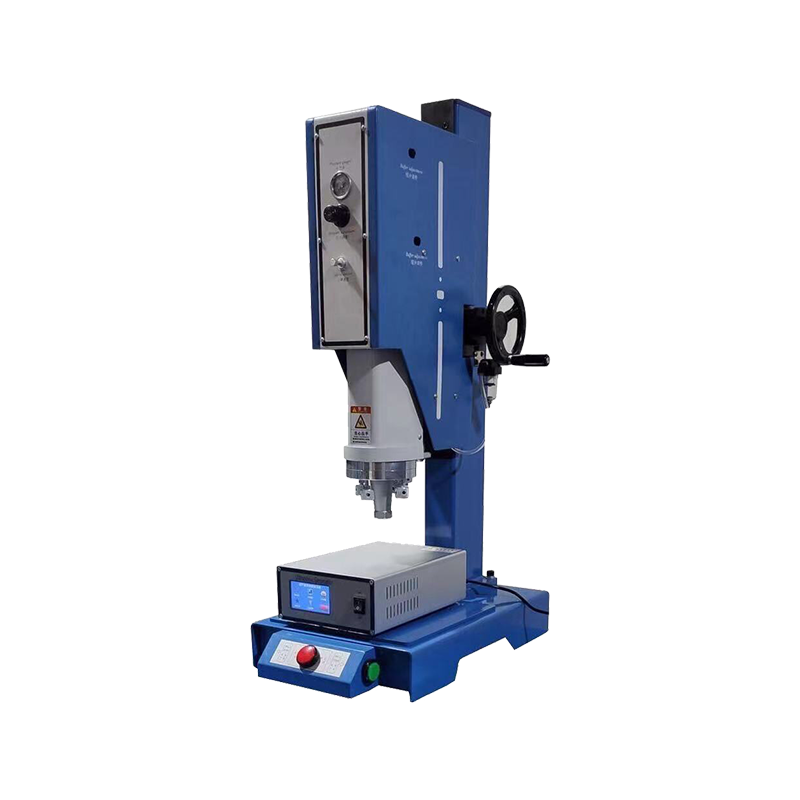
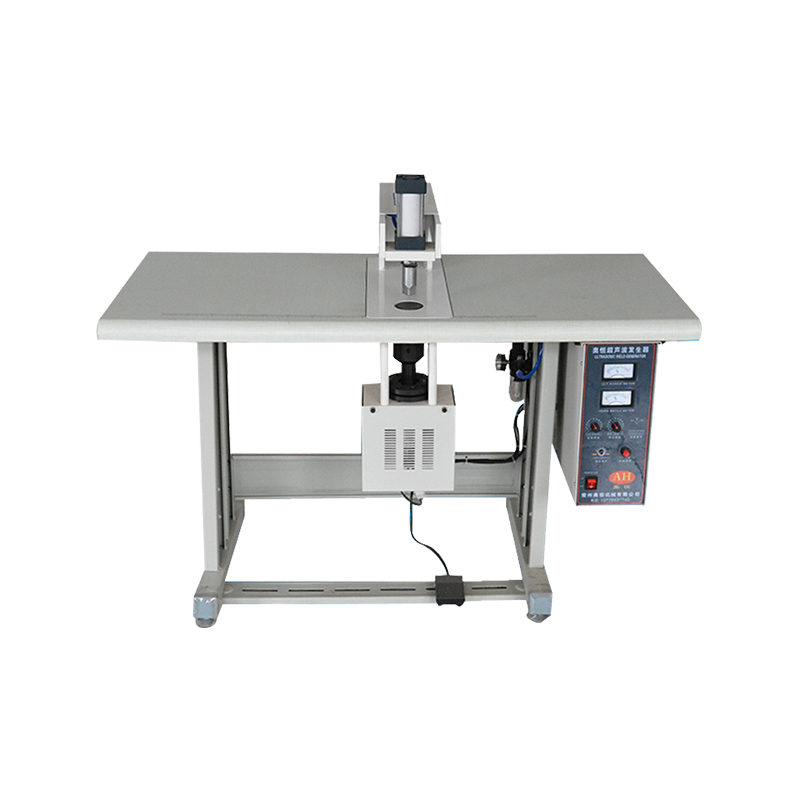
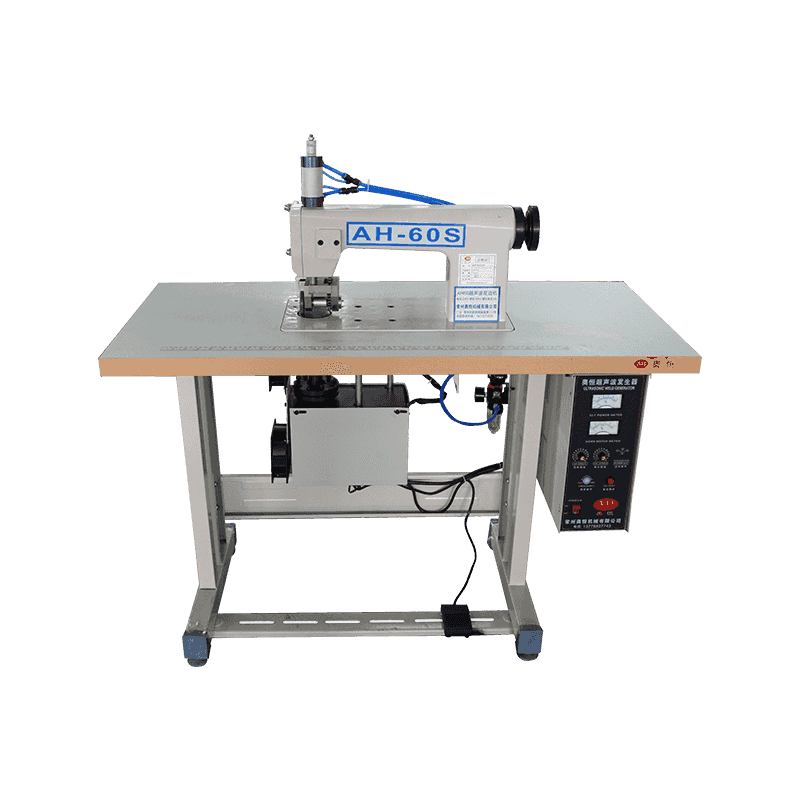
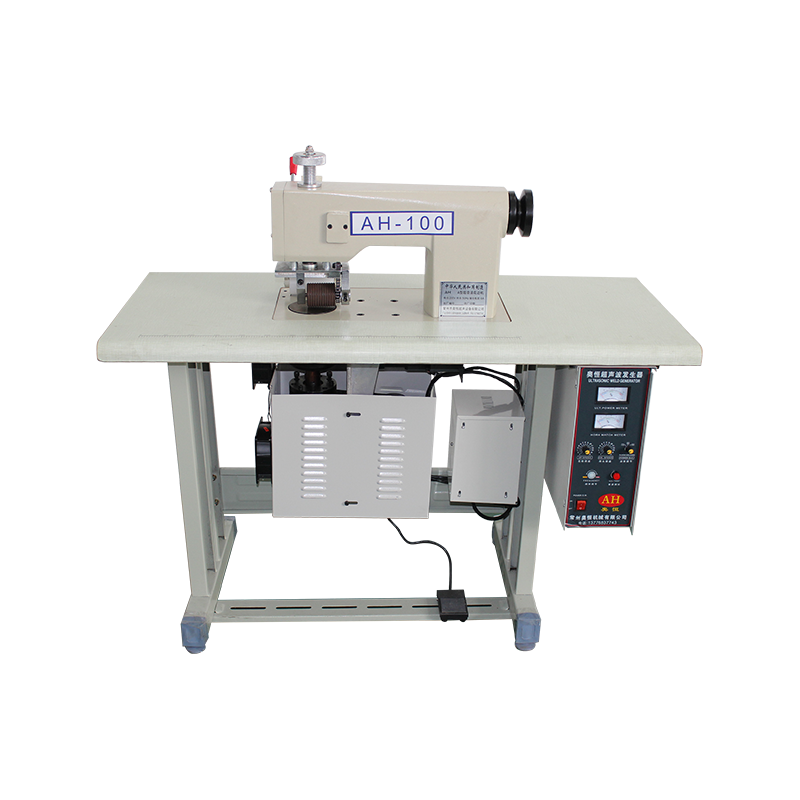
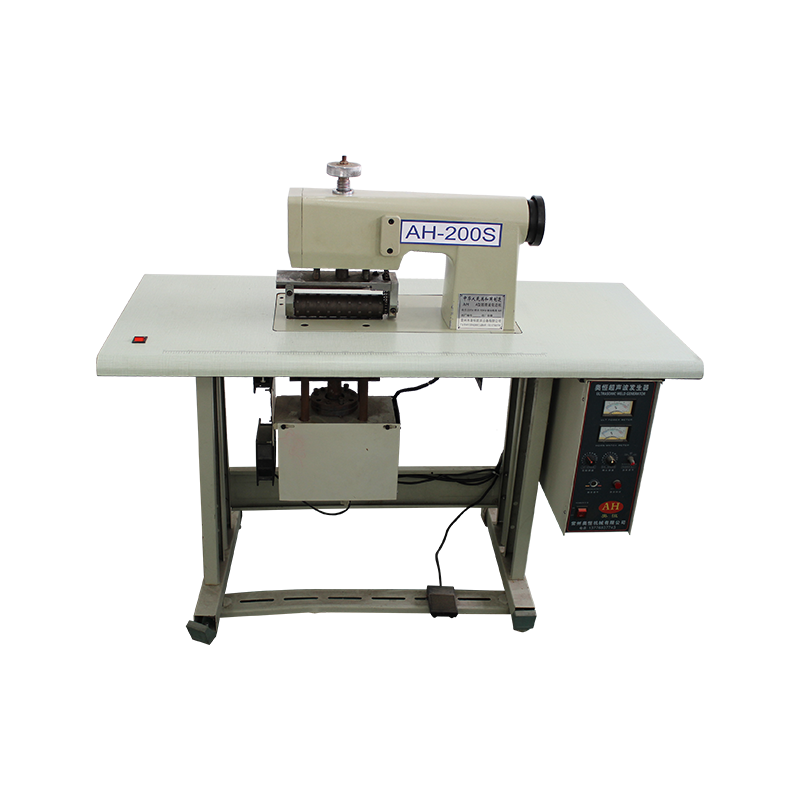
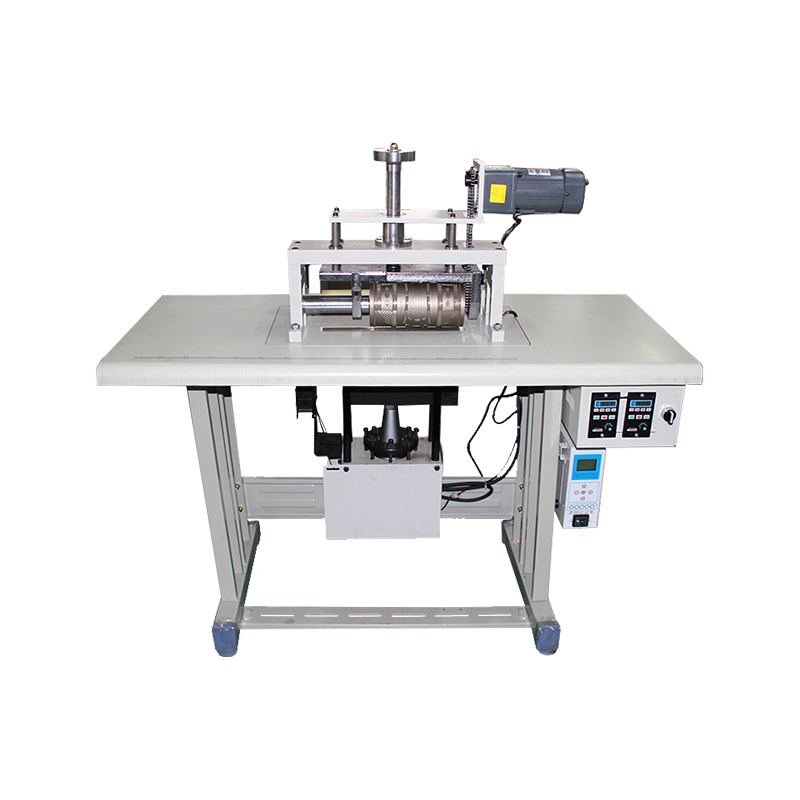
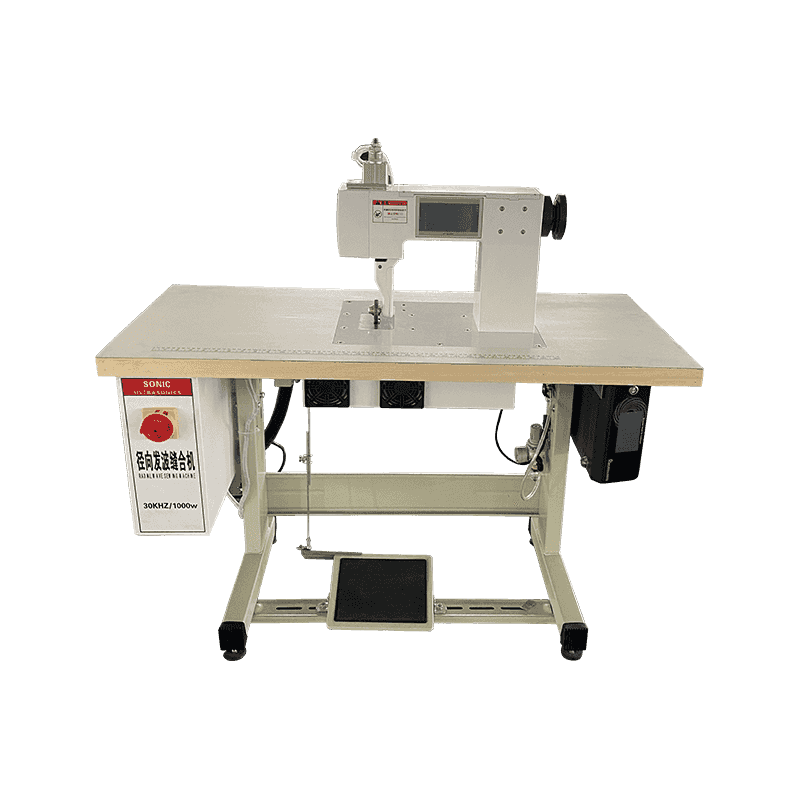
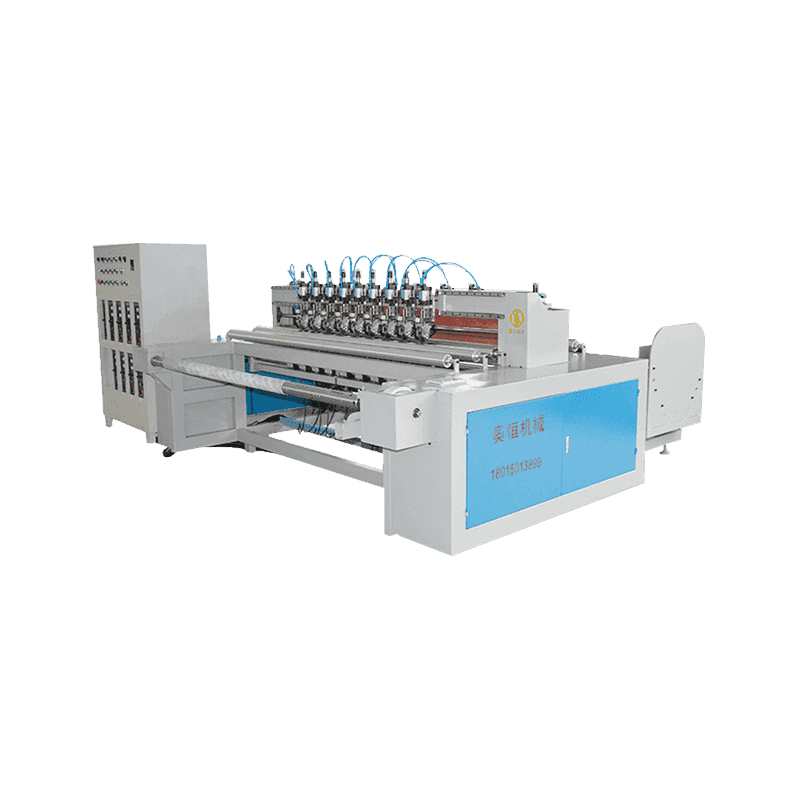
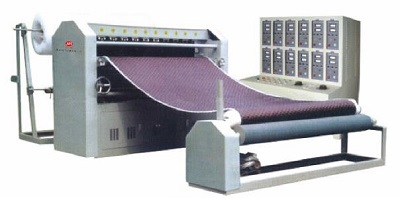
Ultrasonic fabric cutters use a blade vibrating at 20,000–40,000 Hz (20–40 kHz) to cut and simultaneously seal synthetic and blended fabrics through friction-generated heat at the cut point. Like laser cutting, the sealed edge eliminates fraying without a separate finishing step. Ultrasonic cutting machines are primarily used for cutting and seaming operations on non-woven fabrics, technical textiles, and synthetic laminates in medical, filtration, and protective garment manufacturing. They are less common in mainstream apparel but are well established in disposable medical textile production (surgical drapes, gowns) and automotive filtration media.
Water jet cutting uses a highly pressurized water stream — typically at 3,000–6,000 bar (43,000–87,000 psi) — focused through a nozzle of 0.1–0.4 mm diameter to cut through fabric with no heat-affected zone and no blade wear. It is used in technical textile applications, particularly for cutting aramid (Kevlar) and UHMWPE (Dyneema) composites, multi-layer ballistic panels, and carbon fiber prepregs — materials that dull conventional blades rapidly and cannot be laser-cut without chemical degradation. Water jet cutting is rarely used for conventional apparel fabrics due to the wet fabric handling requirement and the high capital cost of suitable equipment.
| Machine Type | Max Plies | Cutting Accuracy | Edge Sealing | Automation Level | Indicative Cost (USD) | Best Fabric Type |
|---|---|---|---|---|---|---|
| Straight-Knife | 100–150 | ±1–3 mm | No | Manual | $300–$2,000 | Wovens, most apparel fabrics |
| Round-Knife | 15–20 | ±1–2 mm | No | Manual | $200–$1,200 | Light wovens, knits, single-ply |
| Band-Knife | 50–80 (finishing) | ±0.5–1 mm | No | Manual (stationary blade) | $2,000–$8,000 | Complex curve finishing, all types |
| Die Cutter (Hydraulic) | 10–50 | ±0.2–0.5 mm | No | Semi-automatic | $5,000–$50,000 | Leather, technical textiles, small parts |
| CNC Automated | Up to 50+ | ±0.1–0.3 mm | No (blade) | Fully automatic | $50,000–$500,000+ | All apparel, technical, automotive |
| Laser Cutter | 1–4 | ±0.1–0.2 mm | Yes (synthetics) | Fully automatic | $20,000–$150,000 | Synthetics, lace, technical, samples |
| Ultrasonic Cutter | 1–10 | ±0.3–0.5 mm | Yes (synthetics) | Semi/fully automatic | $10,000–$60,000 | Non-wovens, medical textiles |
For most production-scale textile and apparel manufacturers, the CNC automated cutting system represents the benchmark against which other cutting solutions are measured. Understanding how these systems work and what to look for when specifying one is essential for procurement decisions.
A complete CNC fabric cutting system consists of four integrated subsystems:
Modern CNC cutting systems for textiles support multiple tool types in the same machine, selected based on fabric and cut path requirements:
When evaluating CNC cutting machine for textile production, the following specifications determine practical performance:
| Specification | Typical Range | Why It Matters |
|---|---|---|
| Maximum cutting speed | 60–150 m/min | Determines throughput on long straight cuts; curve speed is always lower |
| Maximum ply height | 50–100 mm (compressed) | Limits number of plies per cut; affects productivity on thin fabrics |
| Cutting accuracy | ±0.1–0.3 mm | Determines pattern reproduction fidelity and downstream sewing quality |
| Table width | 1.6–3.6 m | Must match fabric width; wider tables accommodate technical textiles and upholstery fabrics |
| Table length / conveyor | 3–25 m (fixed); continuous conveyor | Longer conveyor tables allow spreading and cutting to proceed simultaneously, improving utilization |
| Vacuum zone control | Multiple independent zones | Allows vacuum to follow the cutting head zone, reducing power consumption and optimizing compression in active cutting area |
| Software integration | Proprietary + open formats (DXF, AAMA) | Compatibility with existing CAD/PLM systems determines implementation complexity and ongoing flexibility |
Not all fabrics cut the same way, and fabric characteristics are a primary driver of which cutting technology will perform reliably and produce acceptable edge quality.
Woven fabrics — denim, twill, poplin, canvas, shirting, and suiting — are dimensionally stable and cut cleanly with straight-knife, CNC blade, or die cutting. Blade sharpness and blade height relative to ply depth are the critical variables. High thread-count wovens dull blades faster than low-count fabrics; some technical wovens (Cordura, ripstop) are abrasive enough that blade replacement after every 2–3 cuts is necessary on CNC systems.
Knitted fabrics (jersey, interlock, fleece, rib) present specific cutting challenges because they stretch under the slightest tension — including the weight of the cutting blade or the operator's hand pressure. In CNC cutting, the vacuum hold-down is critical to prevent stretch distortion during cutting; higher vacuum levels are required for knits than for wovens. On manual straight-knife cutters, operators must avoid applying lateral force to the blade that would tension the fabric sideways during cutting. For circular knits on rolls, relaxation time of 24–48 hours after spreading is standard practice before cutting, allowing the fabric to recover to its natural unstressed dimensions.
Non-woven fabrics (fusible interlinings, filter media, geotextiles, disposable medical textiles) are typically more isotropic (equal properties in all directions) than wovens and knits, making them among the easiest to cut consistently. Blade, die, ultrasonic, and water jet cutting are all used depending on the specific material. High-performance technical fabrics — aramid, UHMWPE, ceramic fiber composites — require specialized cutting approaches (water jet, CNC with hardened blades, or diamond-coated tools) because their abrasion resistance rapidly destroys conventional steel blades.
Leather (natural and artificial) and PVC/PU-coated fabrics are most commonly cut with hydraulic die cutting in footwear and leather goods manufacturing — the die's clean stamp-through action produces consistent edge quality at high volume. CNC cutting with oscillating blades is increasingly used for natural leather in automotive upholstery and furniture where the irregular hide shape requires individual optimization to minimize material waste — a task where CNC with camera-based defect mapping software achieves significantly better hide utilization than manual die layout.
The global market for industrial cutting machines for textile is served by a relatively concentrated group of manufacturers who dominate across technology categories.
| Manufacturer | Country | Primary Technology | Key Product Lines |
|---|---|---|---|
| Gerber Technology (now Lectra) | USA / France | CNC Automated | Paragon, Atria, Virga series |
| Lectra | France | CNC Automated | Vector, Versalis, iX series |
| Zünd | Switzerland | CNC Automated / Multi-material | G3, S3, D3 series |
| Eastman Machine | USA | Straight-knife, CNC | Chickadee, Talon, E-50, CNC Cutter |
| Bullmer | Germany | CNC Automated | Procut, Primus series |
| Golden Laser | China | Laser Cutting | Fabric laser cutter series |
| ATOM (Atom S.p.A.) | Italy | Die Cutting / CNC | Footwear, leather, technical textiles |
Regardless of the cutting technology selected, operational factors determine whether a machine for cutting fabric delivers its specified performance in daily production.
Blade sharpness is the single most common source of cut quality deterioration in production. A dull blade does not cut — it displaces, compresses, and frays fabric fibers, producing ragged edges, displaced seam allowances, and fused edges on synthetic fabrics. Straight-knife blades in continuous garment production should be sharpened every 30–60 minutes of cutting depending on fabric abrasiveness, using the onboard sharpening wheel most machines incorporate. CNC system blades should be monitored by the machine control system — most modern systems track blade usage and trigger replacement alerts based on cutting distance and fabric type logged during operation.
Manual fabric cutting machines — particularly straight-knife and round-knife cutters — are responsible for a significant proportion of hand and finger injuries in garment manufacturing facilities. Safety requirements include:
CNC cutting systems require specific infrastructure planning that manual cutters do not:
A structured selection process prevents the common error of purchasing a machine based on price alone or on a single impressive specification. The following decision framework applies to most textile and apparel operations.

Copyright © ChangZhou AoHeng Machinery Co., Ltd. All Rights Reserved
 English
 中文简体
中文简体 русский
 Español