Request A Quote

Content
An industrial fabric cutting machine automates the process of slicing textile materials into precise shapes and dimensions at production scale. Unlike manual cutting, these machines deliver repeatable accuracy across thousands of plies, dramatically reducing material waste and labor hours. In high-volume apparel, automotive upholstery, or technical textile manufacturing, even a 1–2% reduction in fabric waste can translate to tens of thousands of dollars saved annually.
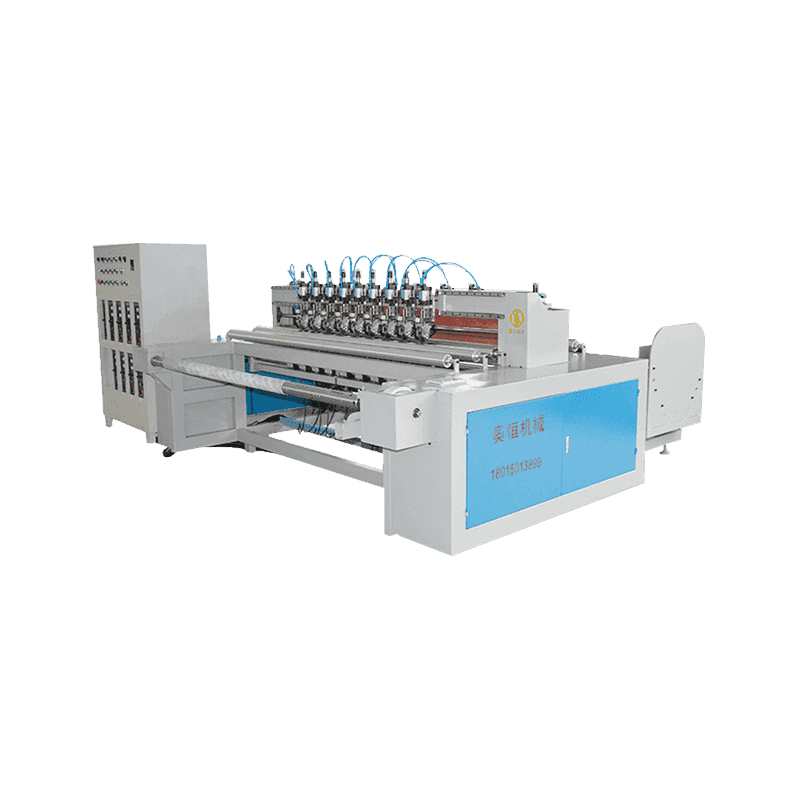
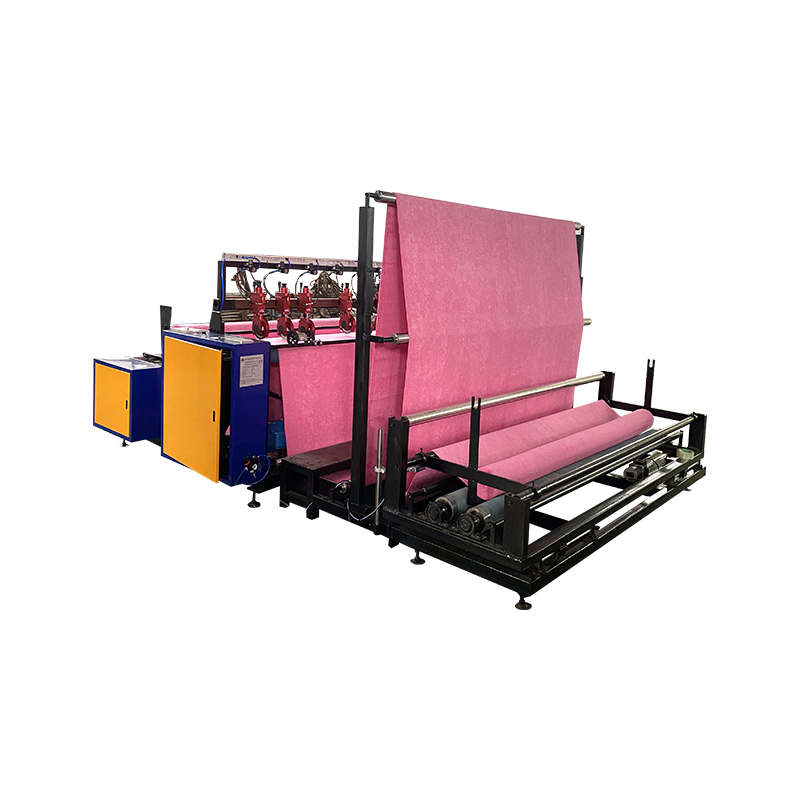
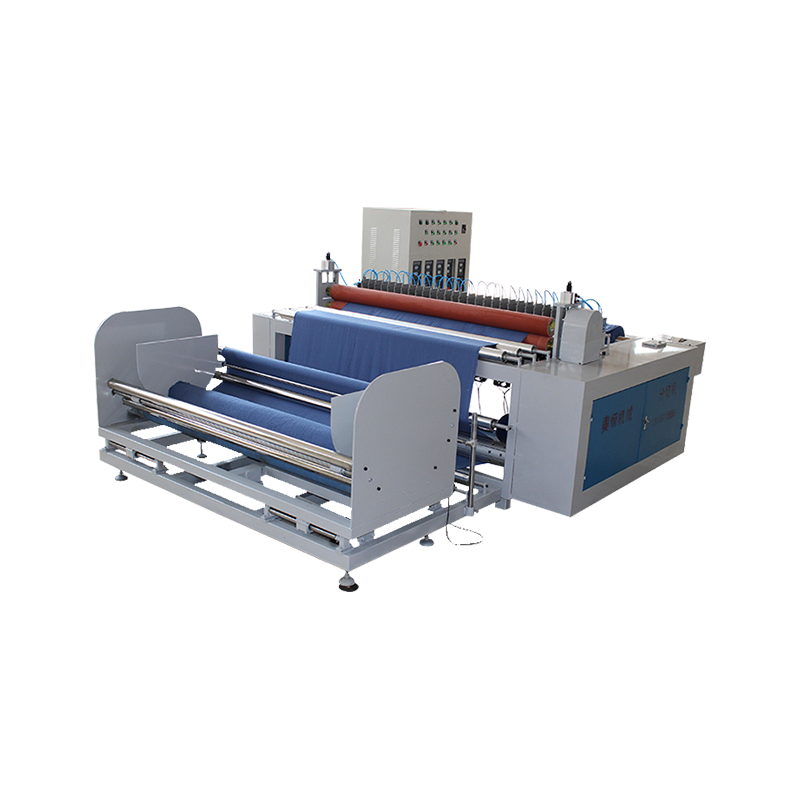
Modern industry cloth cutting machines are no longer simple blade-and-table setups. They integrate CAD nesting software, conveyor systems, and real-time pressure controls to handle everything from delicate chiffon to multi-layer ballistic composites — often in a single production run.
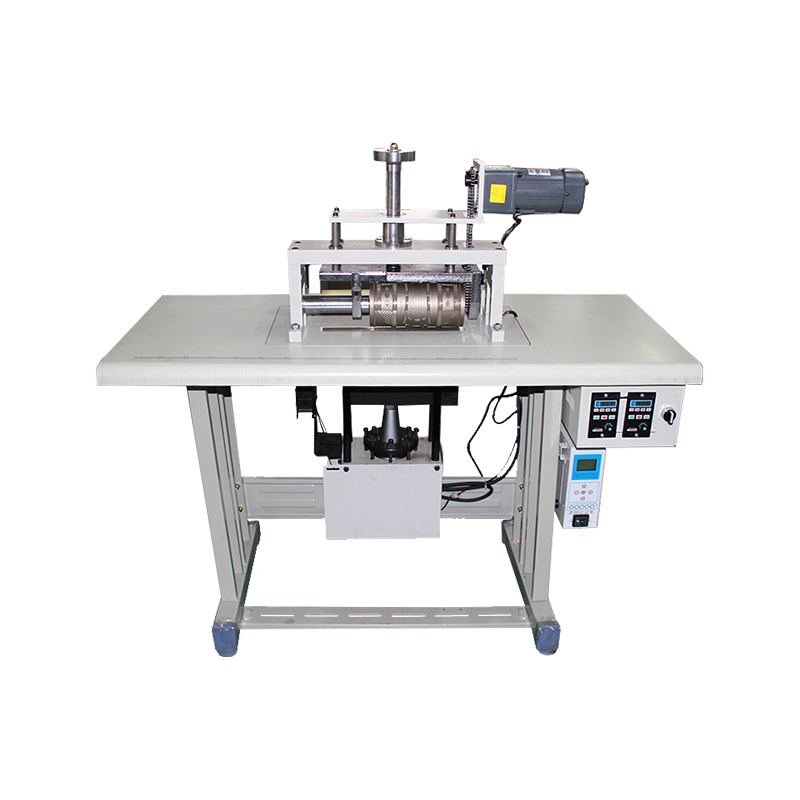
Choosing the right cutting technology depends on your fabric type, production volume, and edge-quality requirements. Here is a breakdown of the most widely used systems:
| Technology | Best For | Typical Speed | Edge Quality |
|---|---|---|---|
| Straight Knife | Multi-ply woven fabrics | Medium | Good |
| Rotary Blade | Lightweight knits & stretch | High | Very Good |
| Laser Cutting | Synthetics, technical textiles | Very High | Excellent (sealed edges) |
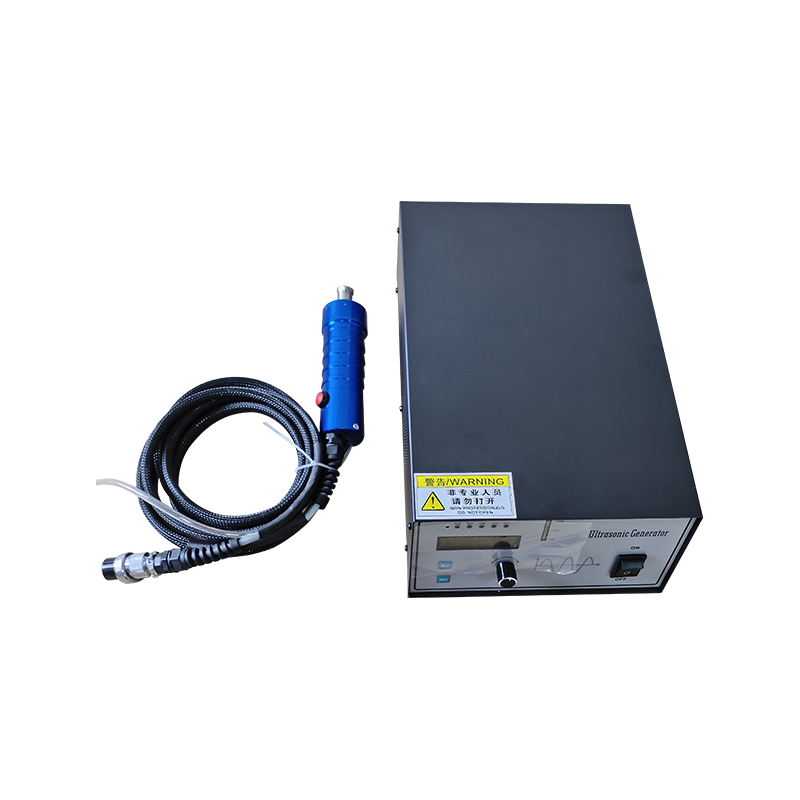
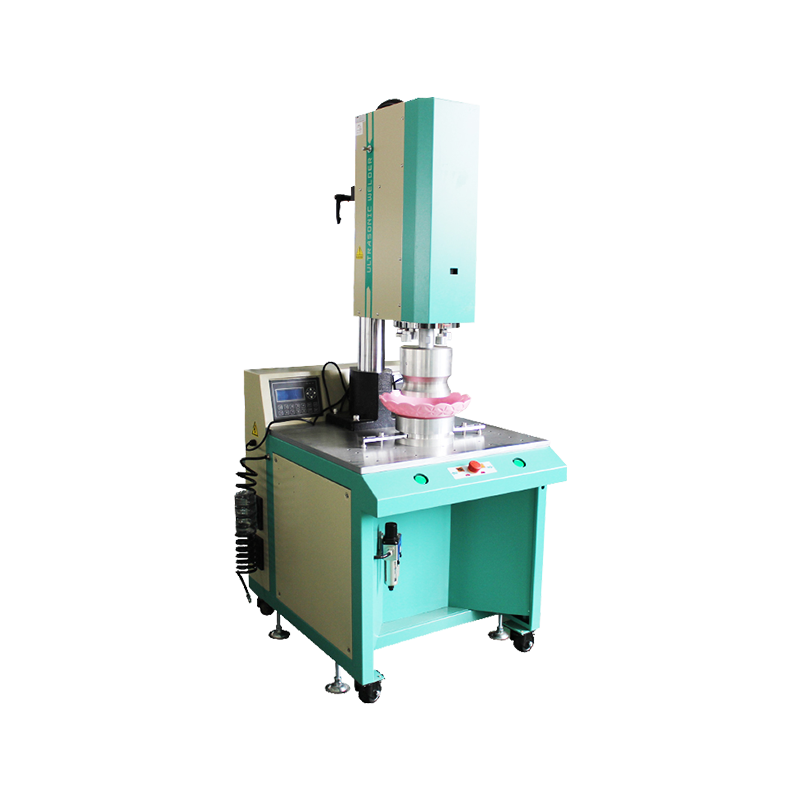
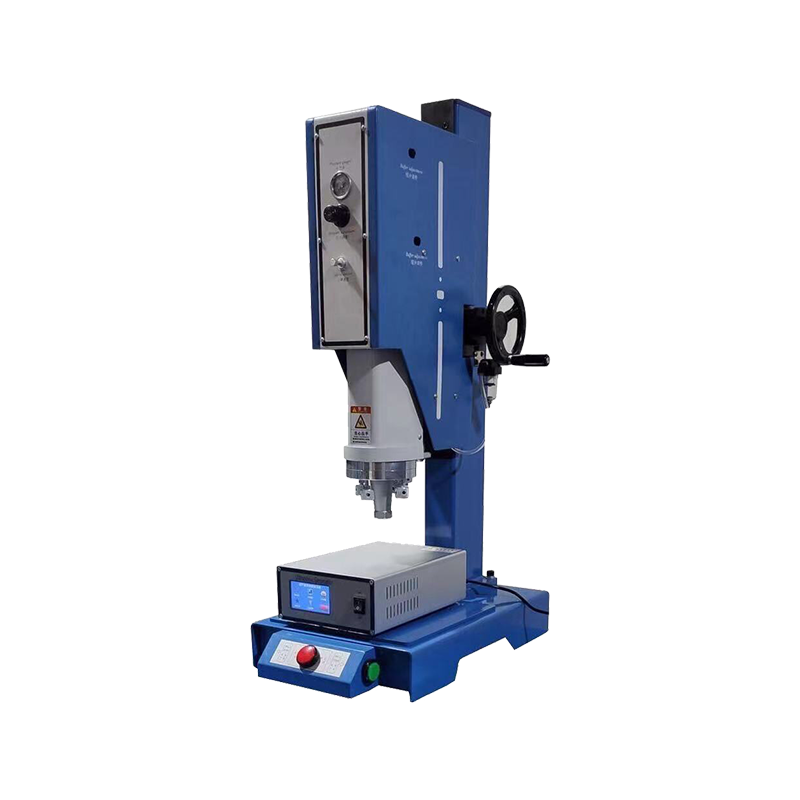
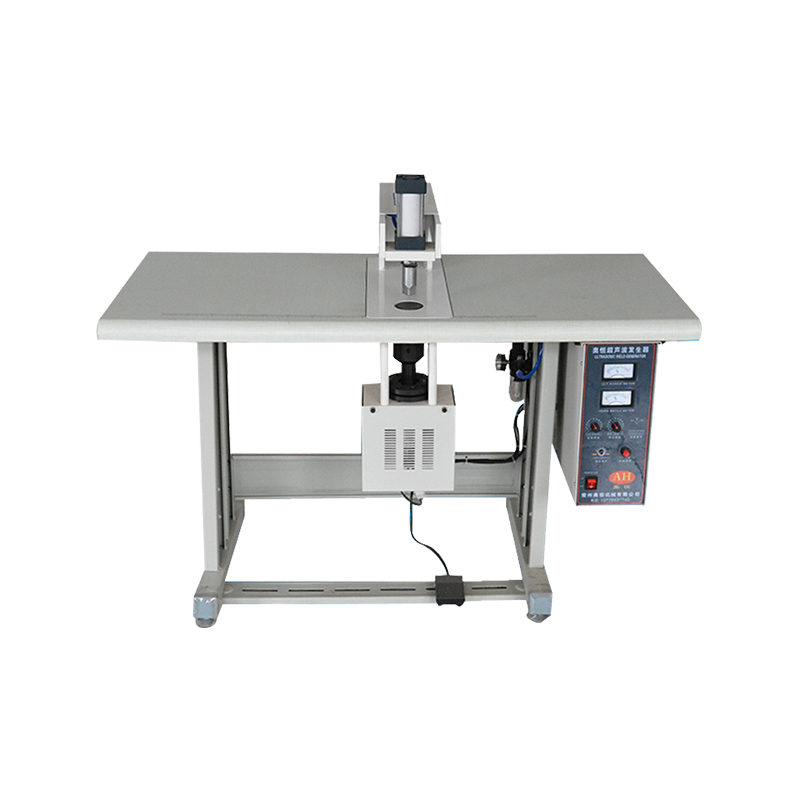
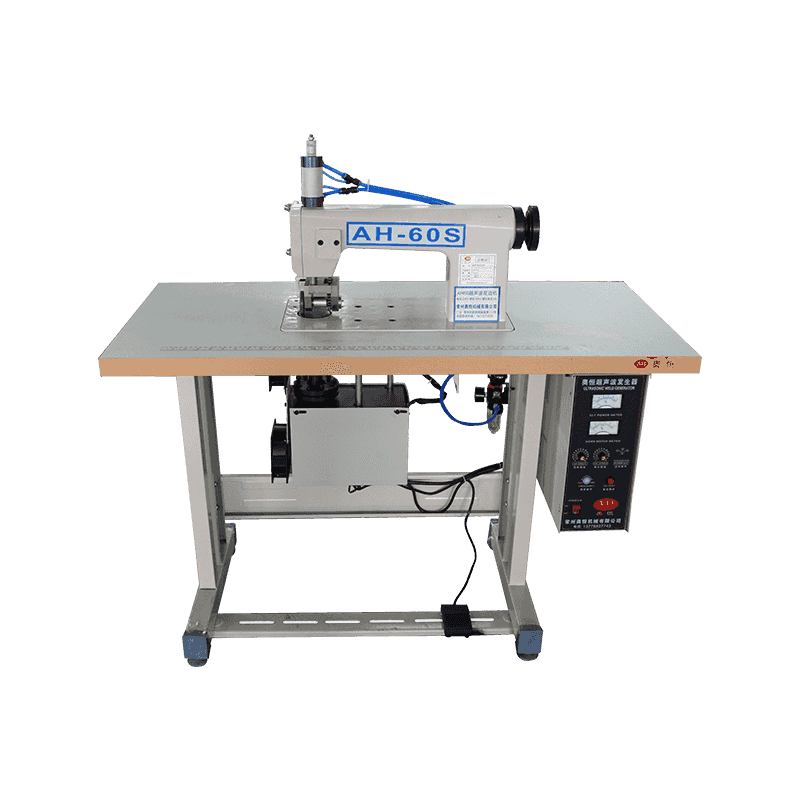
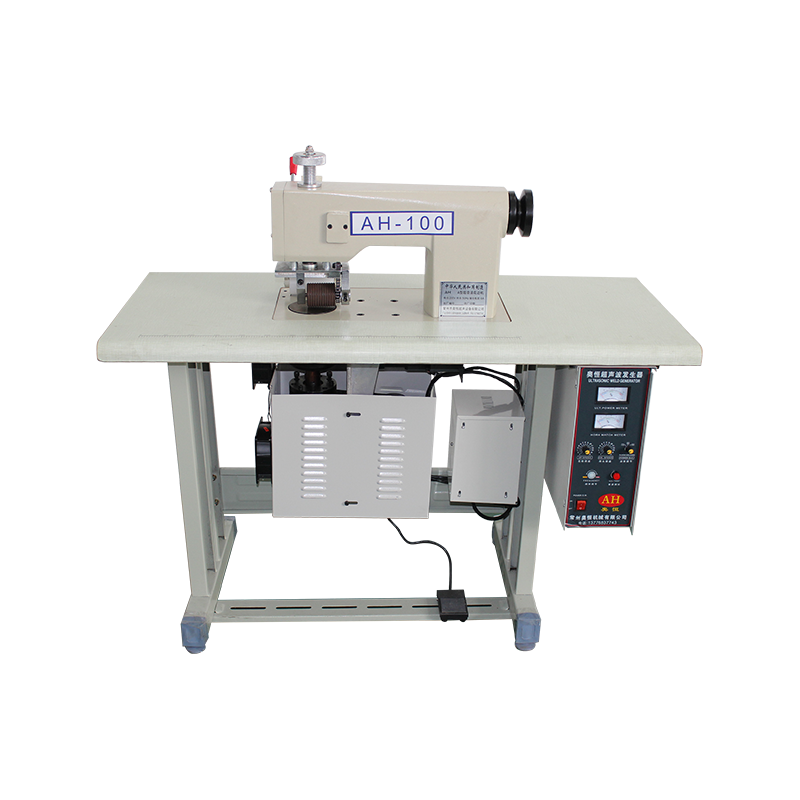
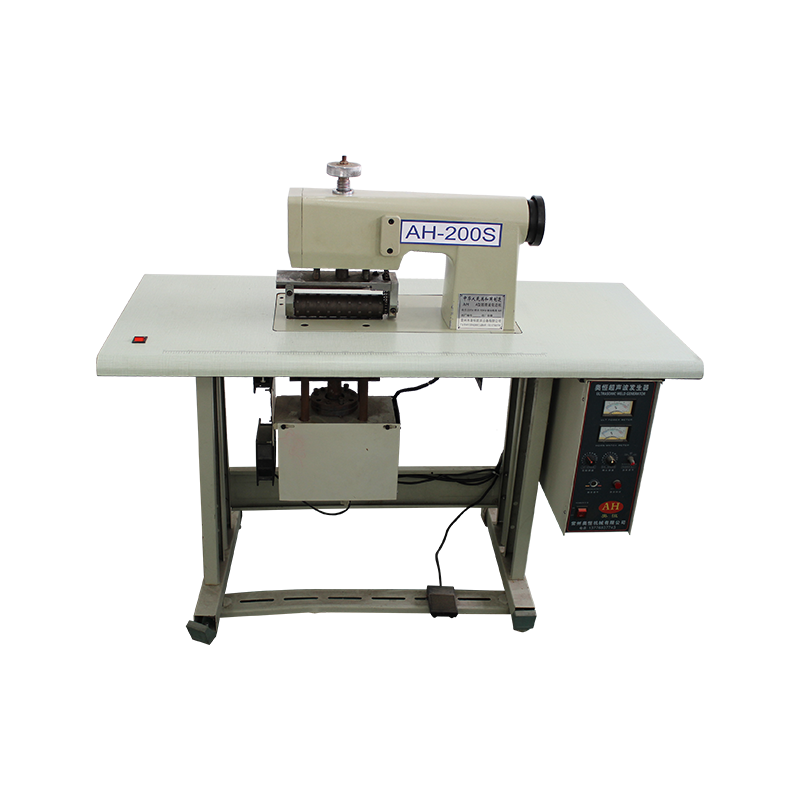
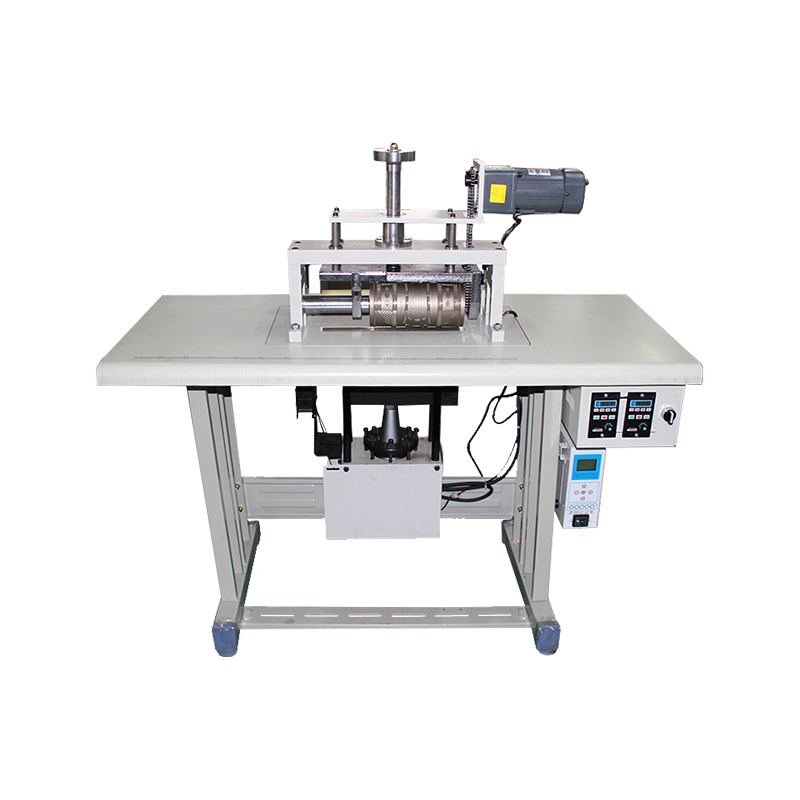
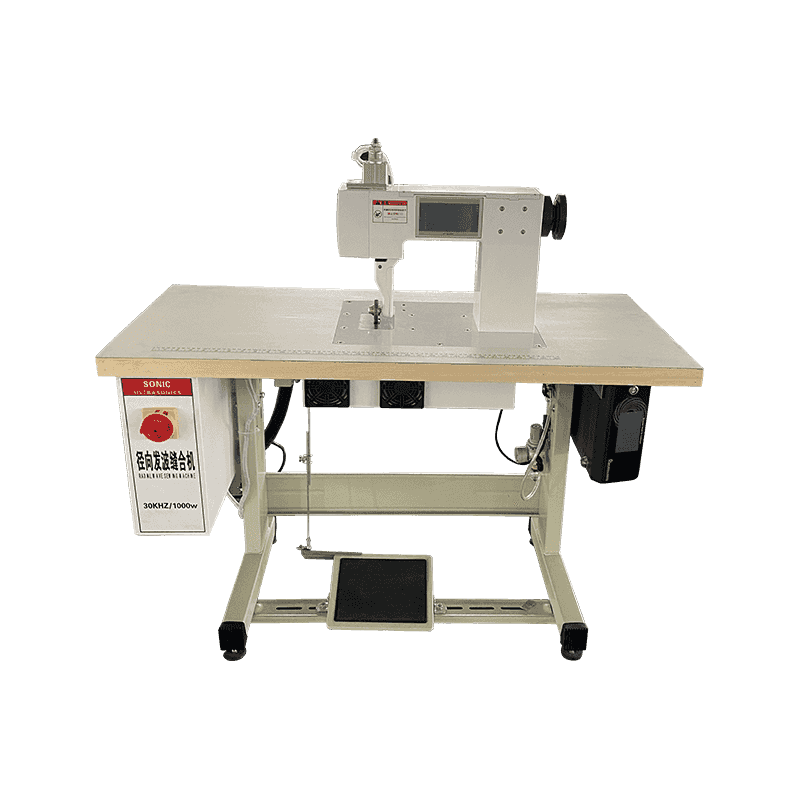
| Ultrasonic | Nonwovens, composites | Medium–High | Excellent (bonded edges) |
| Water Jet | Thick industrial composites | Low–Medium | Excellent |
Laser and ultrasonic systems command a higher upfront investment — typically $40,000–$200,000+ — but deliver sealed, fray-free edges that eliminate secondary finishing steps, which is a critical advantage in medical textile and filtration applications.
When sourcing an industry cloth cutting machine, raw speed figures are only part of the story. Procurement teams and production engineers should benchmark the following:
The demand for precision, speed, and versatility has made automated cutting equipment indispensable across a wide range of sectors:
Not every facility needs a fully automated cutting room. The right automation level depends on order complexity, batch size, and budget:
A structured specification process prevents costly mismatches between equipment capability and production reality. Follow these steps before issuing an RFQ:
Requesting a live cutting trial with your own fabric samples before purchase is standard practice and any reputable supplier of an industrial fabric cutting machine should accommodate this without hesitation.
Purchase price is typically 30–50% of 5-year total cost of ownership (TCO) for industrial cutting equipment. Factor in:
A well-specified industry cloth cutting machine with strong after-sales support consistently outperforms a cheaper alternative on TCO within 18–24 months — particularly when downtime costs are factored in at production-line rates.

Copyright © ChangZhou AoHeng Machinery Co., Ltd. All Rights Reserved
 English
 中文简体
中文简体 русский
 Español