English
 中文简体
中文简体 русский
 Español
Home / Blog / Industry News / Lace Cutting Machine: Precision Cutting Technology for Lace and Delicate Fabrics


Request A Quote

Content
A lace cutting machine is engineered to process delicate lace fabrics with precision, maintaining edge integrity and pattern accuracy. Lace materials are often lightweight, elastic, and intricately patterned, which makes conventional cutting tools unsuitable. The machine must control tension, cutting force, and feed stability to prevent distortion or fraying during operation.
In industrial textile production, lace cutting machines are used for garment trims, lingerie components, decorative fabrics, bridal materials, and embroidery bases. The primary objective is to achieve consistent cutting lines while preserving the decorative structure of the lace pattern.
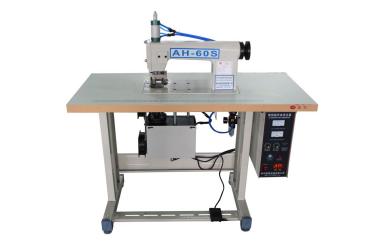
Different lace materials require specific cutting methods depending on fiber composition and thickness. Mechanical blade cutting, laser cutting, and ultrasonic cutting are commonly used technologies in lace cutting machines.
Blade-based systems use high-speed rotating knives or straight blades to cut lace strips and shapes. Precision depends on blade sharpness and stable fabric feeding. This method is suitable for thicker embroidered lace or layered fabrics where heat-based systems may not be appropriate.
Laser lace cutting machines use focused beams to vaporize fabric along programmed contours. For synthetic lace materials, laser energy melts fiber edges slightly, creating sealed and smooth borders that reduce fraying. This approach is suitable for complex pattern outlines and high-detail shapes.
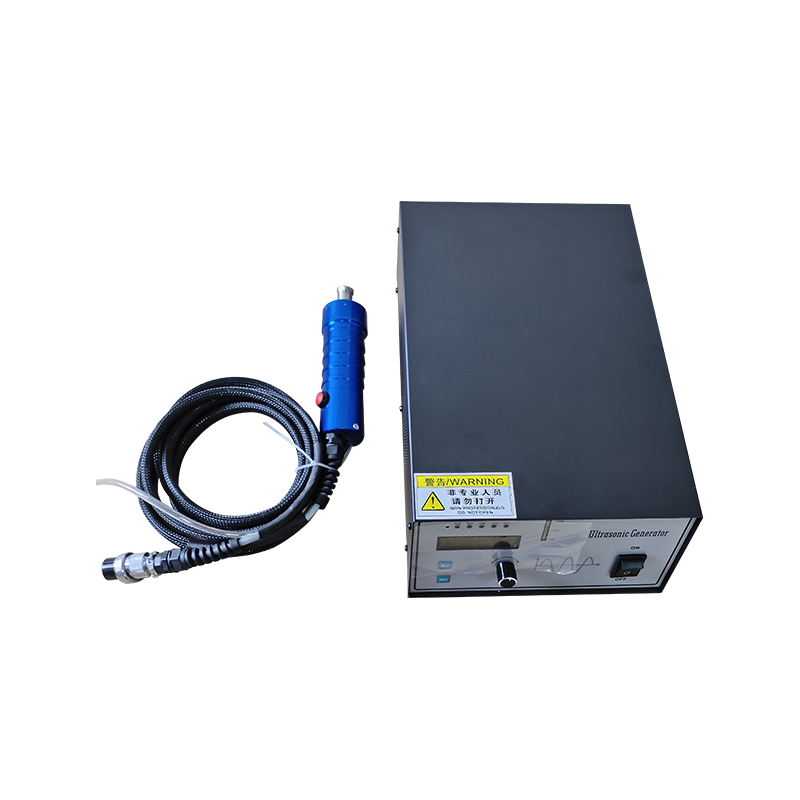
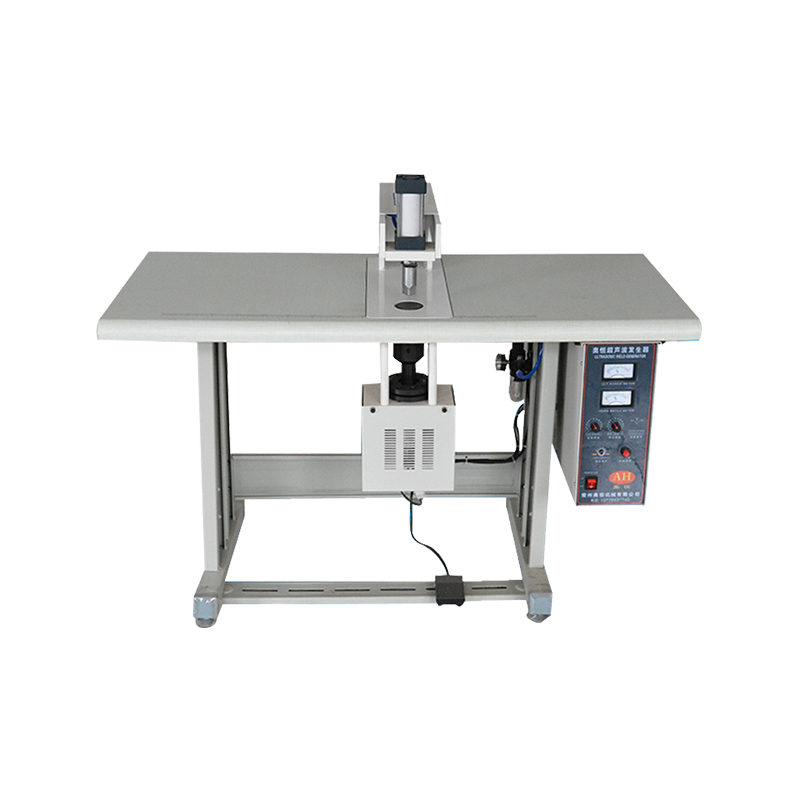
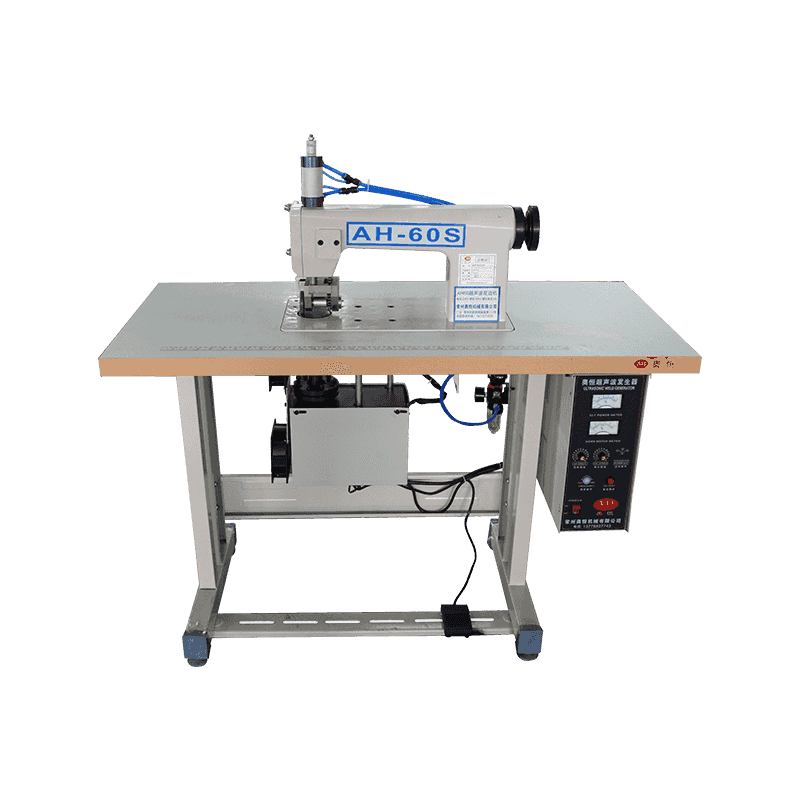
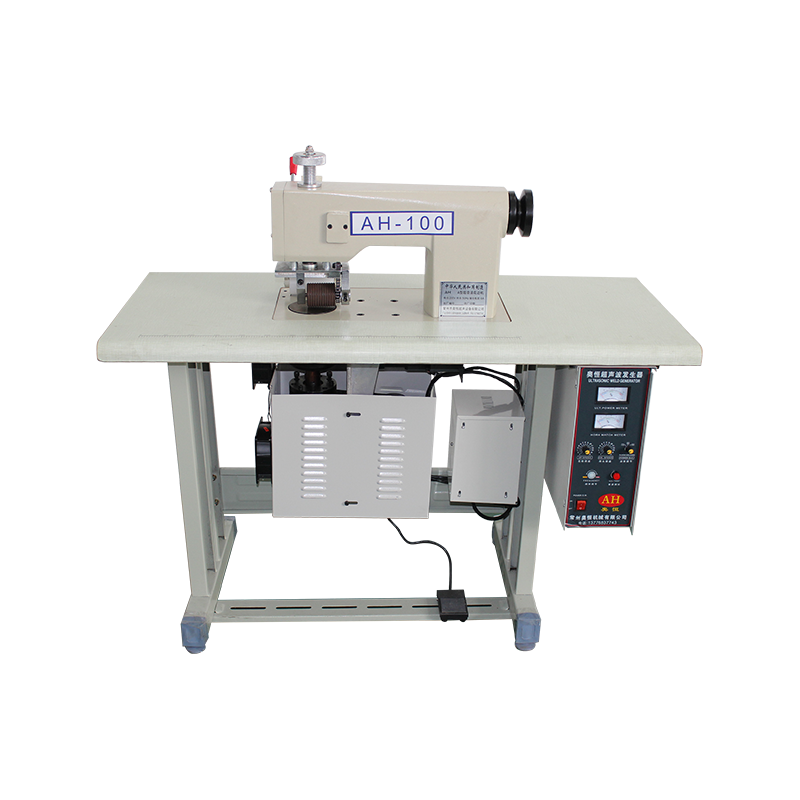
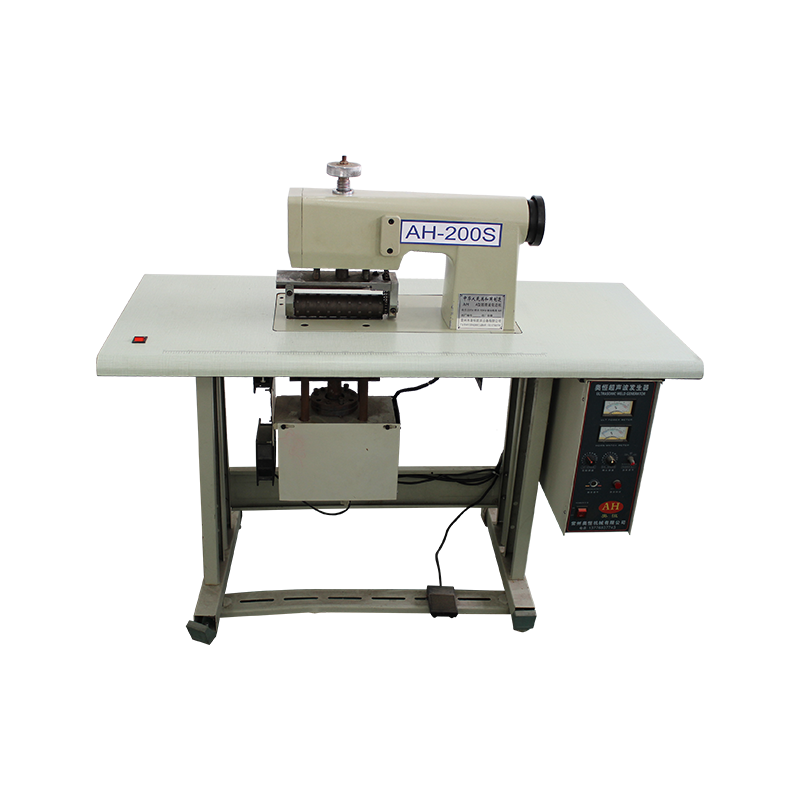
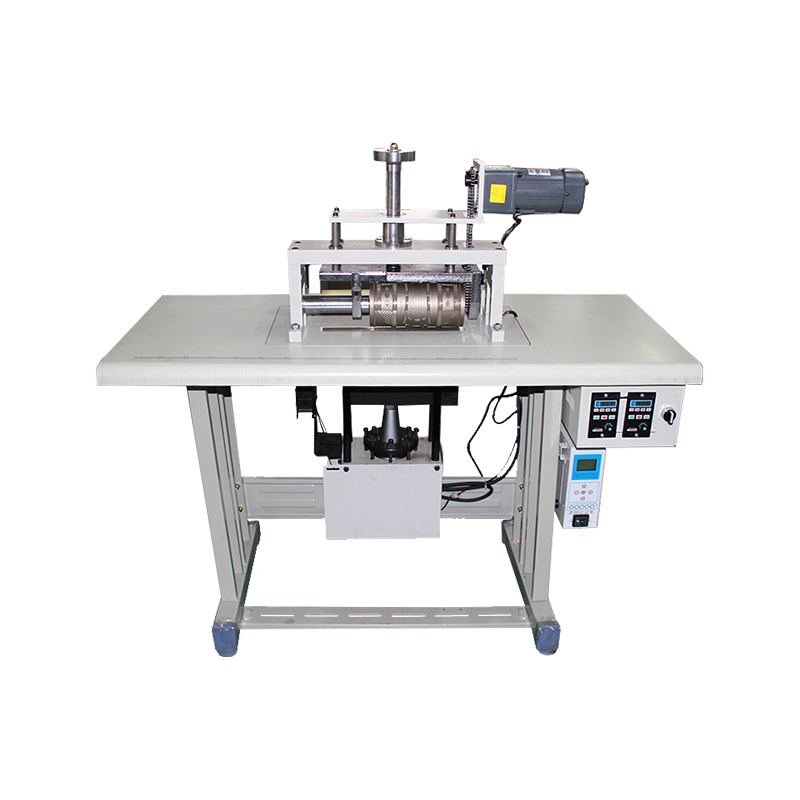
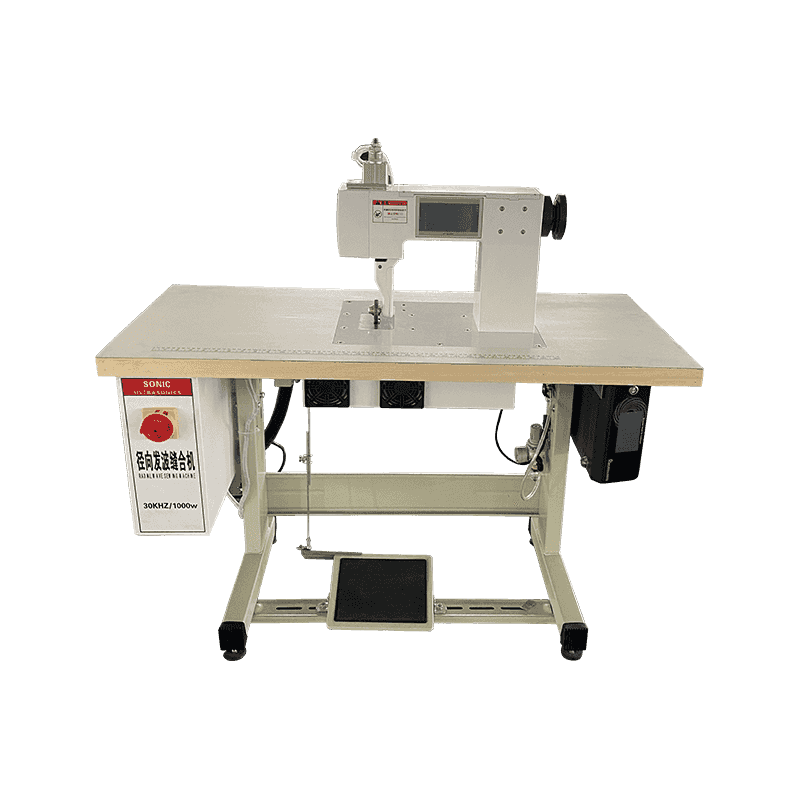
Ultrasonic systems generate high-frequency vibrations that cut and seal thermoplastic lace simultaneously. This method minimizes thread unraveling and supports continuous strip cutting in high-volume production environments.
| Cutting Method | Material Compatibility | Edge Quality | Application Focus |
| Mechanical Blade | Cotton, thick embroidery | Clean but unsealed | Straight strip cutting |
| Laser | Polyester, nylon | Sealed edge | Complex shapes |
| Ultrasonic | Thermoplastic lace | Simultaneous cut and seal | Continuous processing |
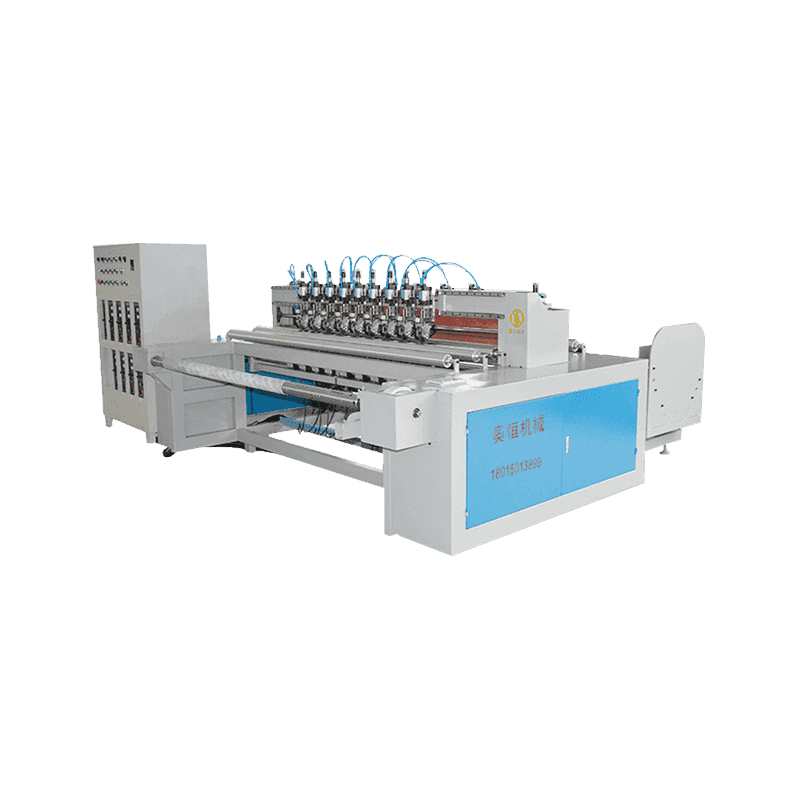
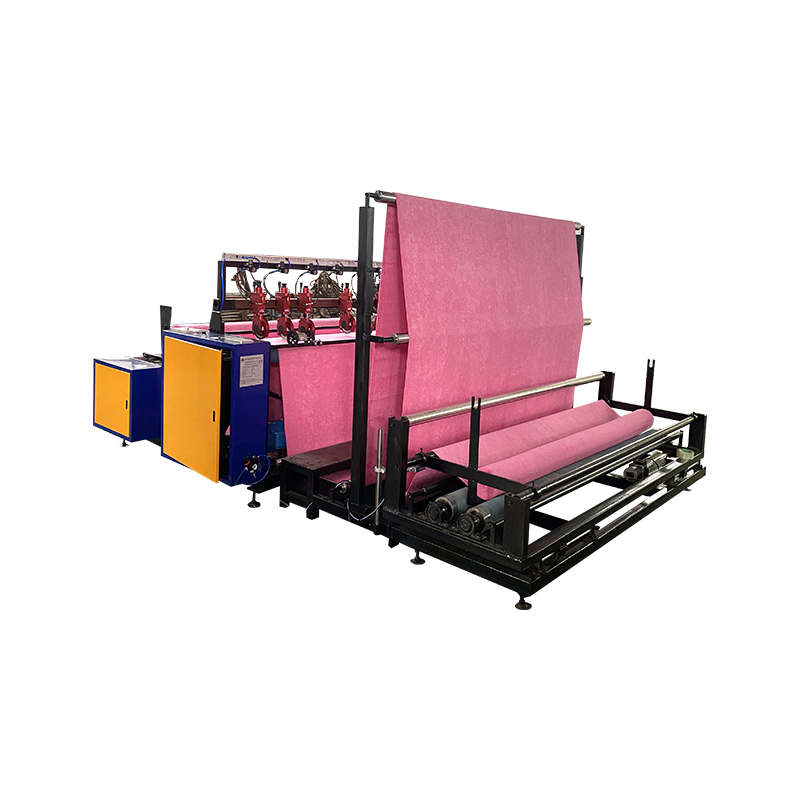
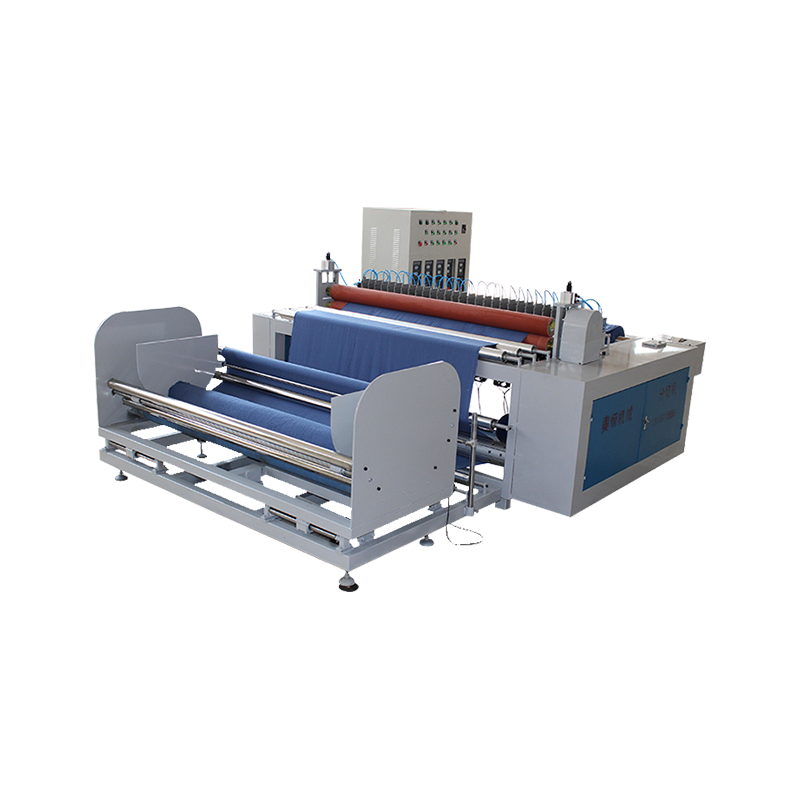
Lace fabrics require precise feeding mechanisms to prevent stretching or misalignment. Advanced lace cutting machines integrate servo-driven rollers and synchronized tension controllers to maintain uniform feed rates. Adjustable tension settings allow adaptation to elastic lace, rigid embroidery lace, or layered composite materials.
Improper tension can cause pattern distortion, leading to uneven trims or dimensional inconsistencies. Automated tension feedback systems help stabilize material flow, especially in continuous roll processing.
Modern lace cutting machines often incorporate digital control interfaces for precise pattern programming. In laser and CNC-controlled systems, operators upload vector design files to define cutting paths. The system then executes cuts with repeatable precision, supporting mass production with consistent dimensional tolerance.
For garment manufacturers producing lace trims in standardized widths, programmable length settings allow automatic repetitive cutting cycles. This reduces manual intervention and improves throughput efficiency.
High-speed lace cutting requires stable mechanical structure and vibration control to maintain edge precision. Regular maintenance includes blade replacement, laser lens cleaning, ultrasonic horn inspection, and calibration of feed systems. Dust extraction systems are often integrated to remove fiber particles generated during cutting.
Selecting a lace cutting machine depends on production volume, material type, required cutting complexity, and edge finishing standards. Facilities focusing on decorative garment trims may prioritize pattern accuracy, while large-scale lace strip processing operations may prioritize continuous cutting stability and speed.
By combining controlled tension feeding, appropriate cutting technology, and digital precision control, lace cutting machines enable efficient processing of delicate textile materials while preserving structural and decorative integrity.

Copyright © ChangZhou AoHeng Machinery Co., Ltd. All Rights Reserved