English
 中文简体
中文简体 русский
 Español
Home / Blog / Industry News / How Does a Calender Roller Laminating Machine Work and What Is Its Principle?


Request A Quote
Content
A calender roller laminating machine is a precision industrial device used to bond multiple layers of materials under controlled heat, pressure, and speed. It is widely applied in textile finishing, packaging materials, film production, and composite manufacturing industries.
The core function of this machine is to ensure uniform lamination by passing materials through a set of heated or pressure-controlled rollers. The “calendering” process not only bonds layers together but also improves surface smoothness, thickness consistency, and mechanical strength.
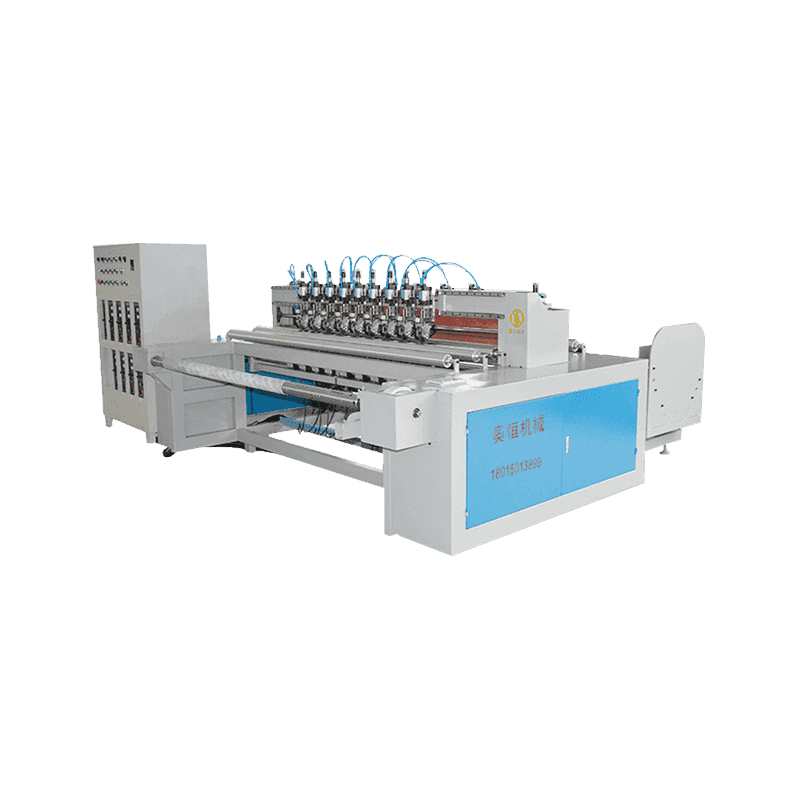
The machine consists of multiple key components working in coordination to achieve stable lamination performance. Each part plays a specific role in controlling pressure, temperature, and alignment.
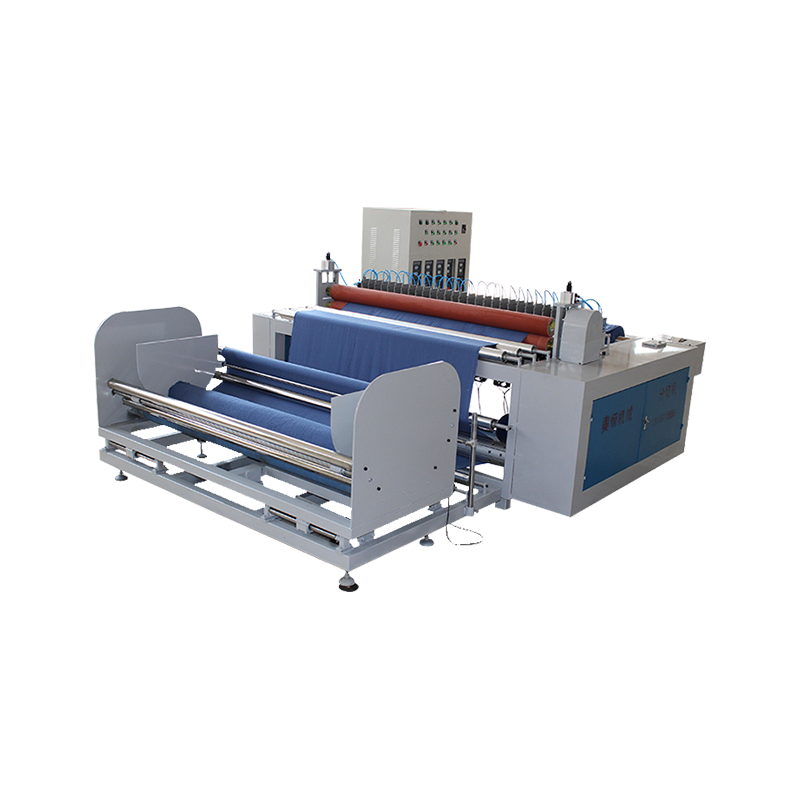
The roller assembly is the core working unit. It typically includes steel rollers, rubber-coated rollers, or composite heated rollers. These rollers rotate in synchronized motion to apply uniform pressure on the material layers.
In thermally assisted lamination, rollers are equipped with internal heating systems such as oil heating or electric heating elements. Precise temperature control ensures consistent adhesive activation without damaging the substrate.
Hydraulic or pneumatic systems regulate the pressure between rollers. This ensures that different material thicknesses can be processed without causing deformation or uneven bonding.
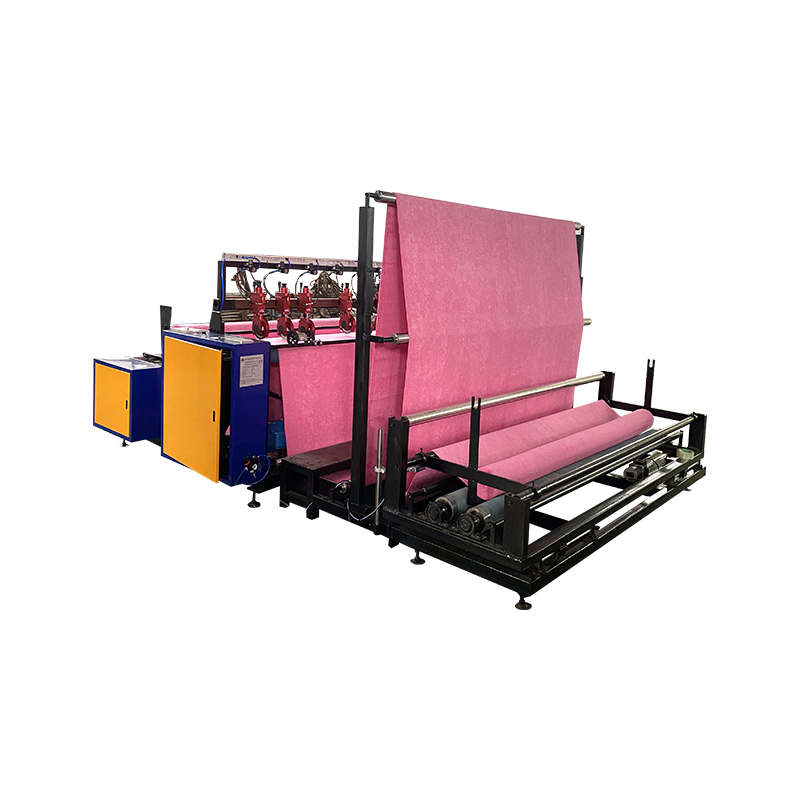
The feeding system ensures that materials enter the roller gap at a controlled speed and precise alignment. Misalignment can lead to wrinkling, bubbles, or uneven lamination quality.
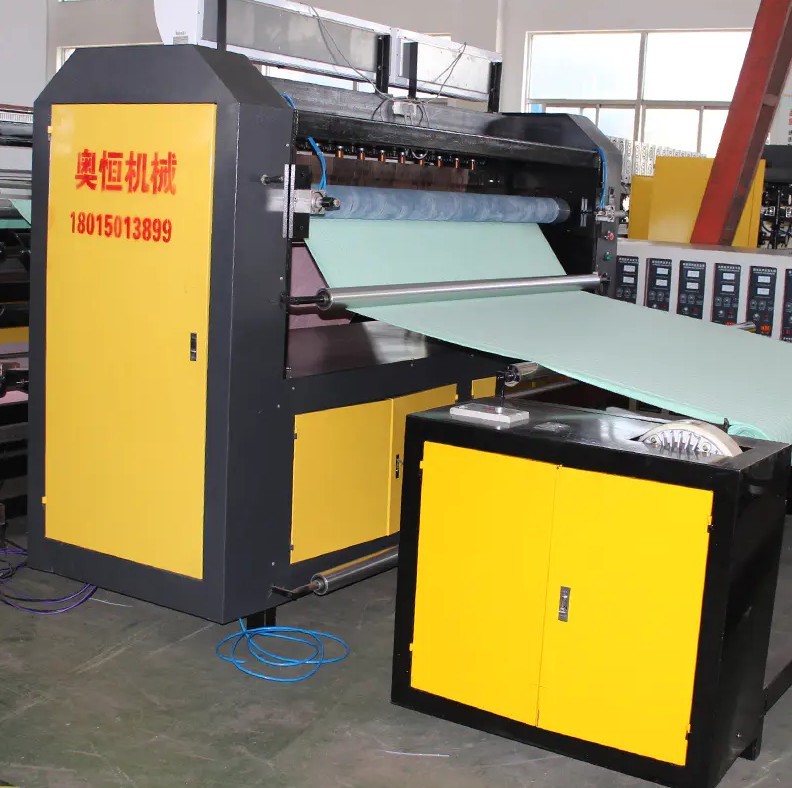
The working principle of a calender roller laminating machine is based on continuous pressure application combined with heat and motion synchronization. This allows two or more material layers to bond permanently or semi-permanently.
The process begins when materials are fed into the roller system. As they pass through the heated rollers, adhesive layers are activated and pressure forces the materials into close contact, eliminating air gaps and ensuring strong adhesion.
The quality of lamination depends on the precise coordination of three critical parameters: heat, pressure, and speed. Any imbalance can lead to defects such as bubbling, delamination, or uneven surface texture.
Heat softens adhesives or thermoplastic layers, allowing them to flow and bond effectively. The temperature must be carefully controlled based on material type to avoid degradation.
Pressure ensures intimate contact between layers, eliminating air pockets and ensuring uniform adhesion strength across the entire surface area.
Conveyor speed determines the exposure time of materials under heat and pressure. Faster speeds increase productivity but require higher precision in temperature and pressure control.
Different industrial applications require different machine configurations. Calender laminating systems can be classified based on structure, heating method, and application purpose.
| Type | Heating Method | Application | Key Advantage |
| Thermal Calender Laminator | Oil/Electric Heating | Film, Textile | Strong bonding performance |
| Cold Calender Laminator | No heating | Sensitive materials | No thermal damage |
| Multi-Roller Calender System | Controlled heating | Composite materials | High precision lamination |
Calender laminating machines are widely used across multiple industries due to their ability to produce high-strength composite materials with consistent quality.
In textiles, calender laminators are used to bond fabric layers with waterproof membranes, create synthetic leather surfaces, and enhance fabric durability.
The packaging industry uses calendering to laminate plastic films, aluminum foils, and paper layers, improving barrier properties against moisture and oxygen.
High-performance composite materials used in automotive interiors and aerospace panels are often produced using multi-layer calender lamination processes.
Despite its efficiency, calender roller lamination can face issues such as uneven bonding, wrinkles, or air entrapment. These problems are typically caused by incorrect parameter settings or material inconsistencies.
Air trapped between layers can cause bubbles. This is often resolved by increasing pressure or improving material alignment before entry.
Weak bonding may result from insufficient heat or adhesive activation time. Adjusting roller temperature usually resolves this issue.
Improper feeding tension or uneven roller pressure can cause wrinkles. Precision alignment systems help minimize this defect.
Regular maintenance ensures long-term stability and precision of the calender laminating system. Rollers must be cleaned frequently to prevent residue buildup that affects surface quality.
Lubrication of mechanical components, inspection of hydraulic systems, and calibration of temperature sensors are essential for consistent operation.
Calender roller laminating machines play a crucial role in modern industrial manufacturing by enabling efficient, high-quality multi-layer material bonding. Their working principle integrates heat, pressure, and mechanical precision into a continuous process that ensures consistent output.
As industries demand more advanced composite materials, the importance of calender lamination technology continues to grow, making it a foundational process in textiles, packaging, and high-performance engineering applications.

Copyright © ChangZhou AoHeng Machinery Co., Ltd. All Rights Reserved