English
 中文简体
中文简体 русский
 Español
Home / Blog / Industry News / How Does an Ultrasonic Glove Machine Actually Weld Without Needles or Thread?


Request A Quote
Content
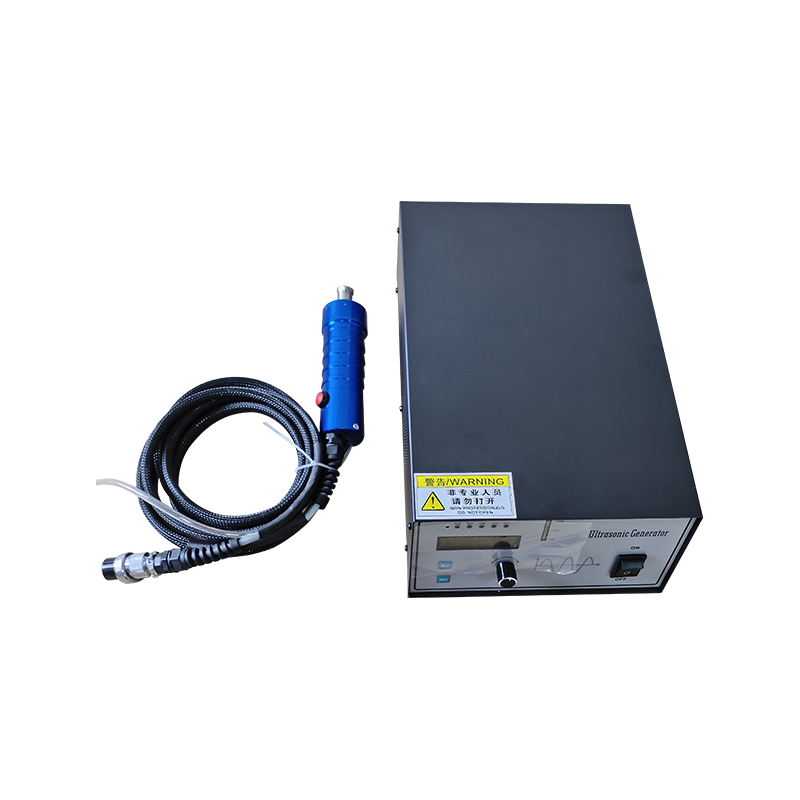
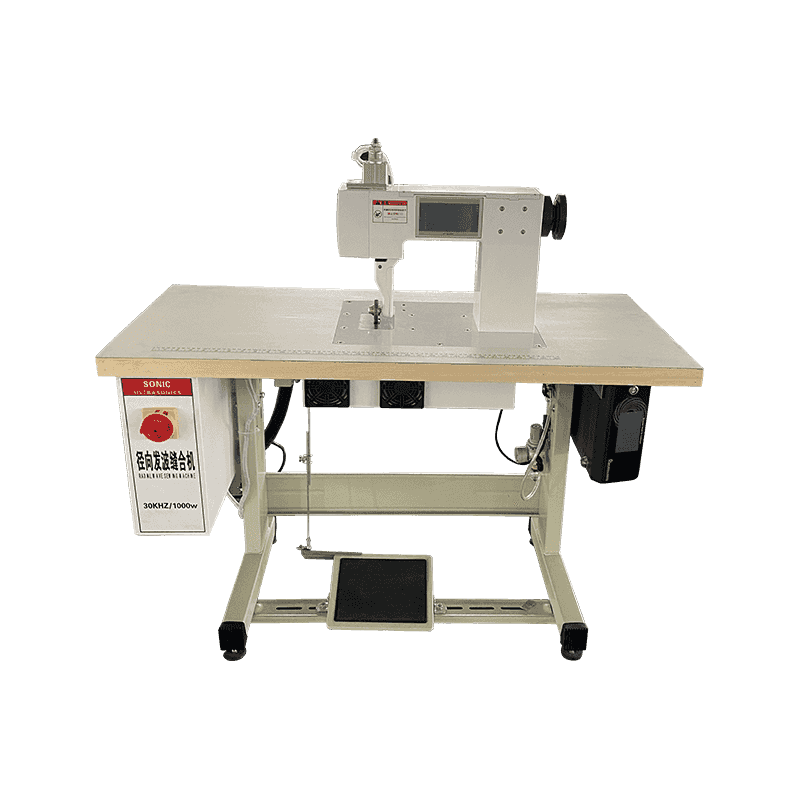
Ultrasonic welding works on a principle that surprises people unfamiliar with the technology — no heat source is applied directly to the material, yet the material still reaches a molten state at the weld point. The ultrasonic generator produces an electrical signal in the 20-40 kHz range, which is converted into mechanical vibration by a transducer and amplified through a horn (sometimes called a sonotrode) that contacts the material directly. When this high-frequency vibration is applied under pressure between two layers of synthetic or non-woven fabric, the friction generated at the molecular level between fibers converts the mechanical energy into localized heat almost instantly, causing the polymer fibers at that exact point to soften and fuse without affecting the surrounding material.
This localized nature of the heat generation is what makes ultrasonic welding fundamentally different from conventional heat sealing, where a heated element applies thermal energy across a broader surface area and risks scorching or over-melting material outside the intended seam. Because ultrasonic energy concentrates precisely at the point of contact between the horn and the mold pattern, the weld forms in a fraction of a second, and the surrounding fabric remains largely unaffected by heat — a distinction that directly impacts both production speed and the visual quality of the finished seam.
Not every combination of frequency and amplitude produces a usable weld on every material, and matching these settings to the specific fabric being processed is one of the most important variables operators need to control. Lower frequencies, typically around 20 kHz, deliver more energy per cycle and are generally better suited to thicker or denser non-woven materials that need more energy to reach a molten state at the weld point. Higher frequencies, such as 35-40 kHz, deliver less energy per cycle but with greater precision, making them more appropriate for thinner, more delicate synthetic fabrics where excess energy could burn through the material or create a weld line that's visually inconsistent.
| Frequency Range | Energy Delivery | Best Suited Material |
|---|---|---|
| 20 kHz | Higher energy per cycle | Thicker, denser non-woven fabrics |
| 30 kHz | Balanced | Standard-weight synthetic fabrics |
| 35–40 kHz | Lower energy, higher precision | Thin or delicate synthetic materials |
Amplitude, which determines how far the horn physically travels during each vibration cycle, works alongside frequency to fine-tune the weld — increasing amplitude adds more energy to the weld point without changing frequency, which is often the preferred adjustment when a weld isn't forming cleanly at standard settings, since it avoids the risk of switching to a frequency range the material wasn't designed for.
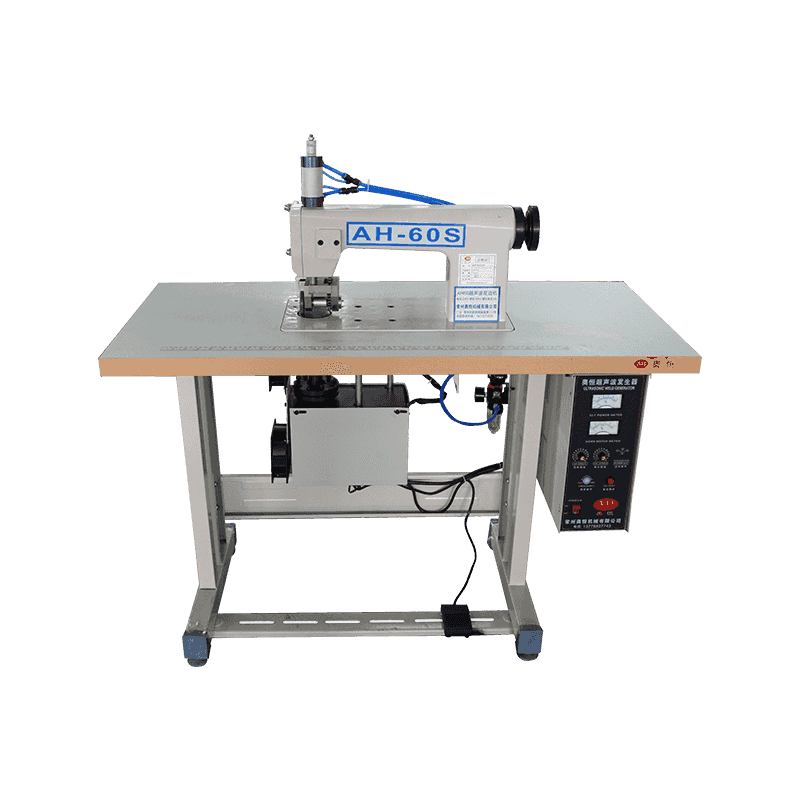
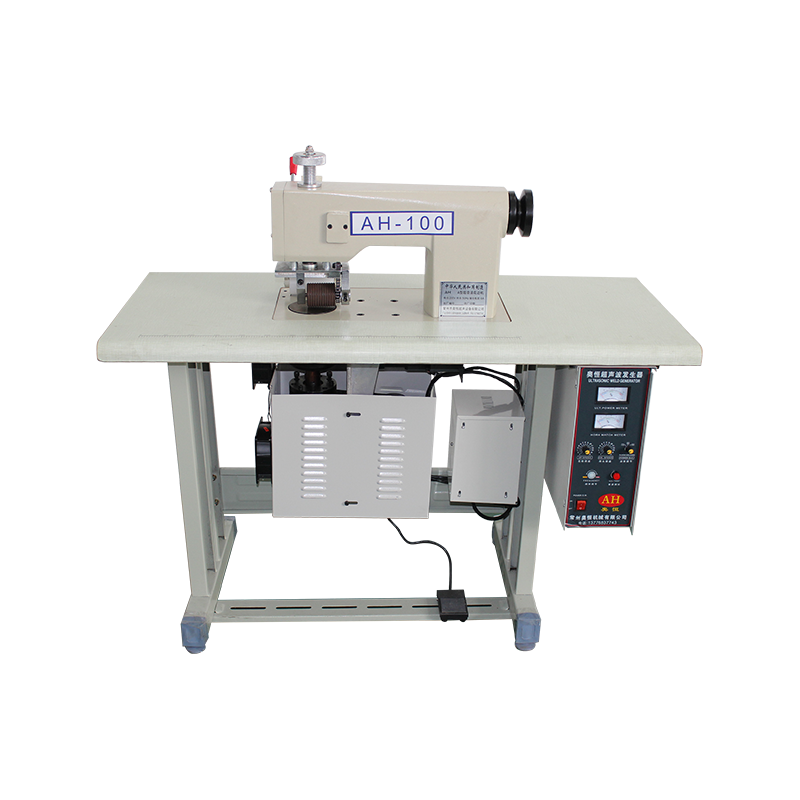
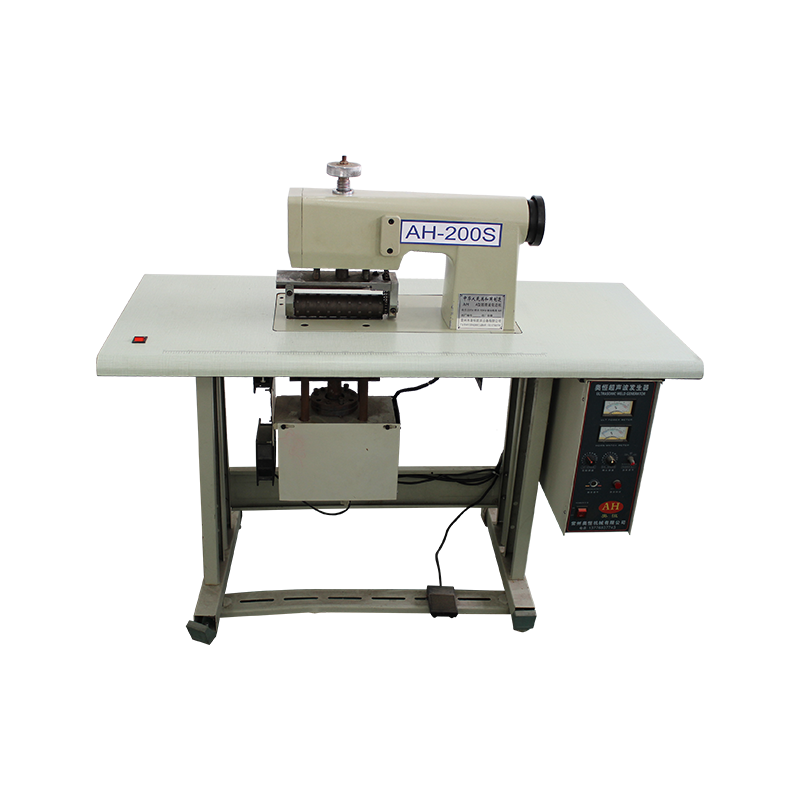
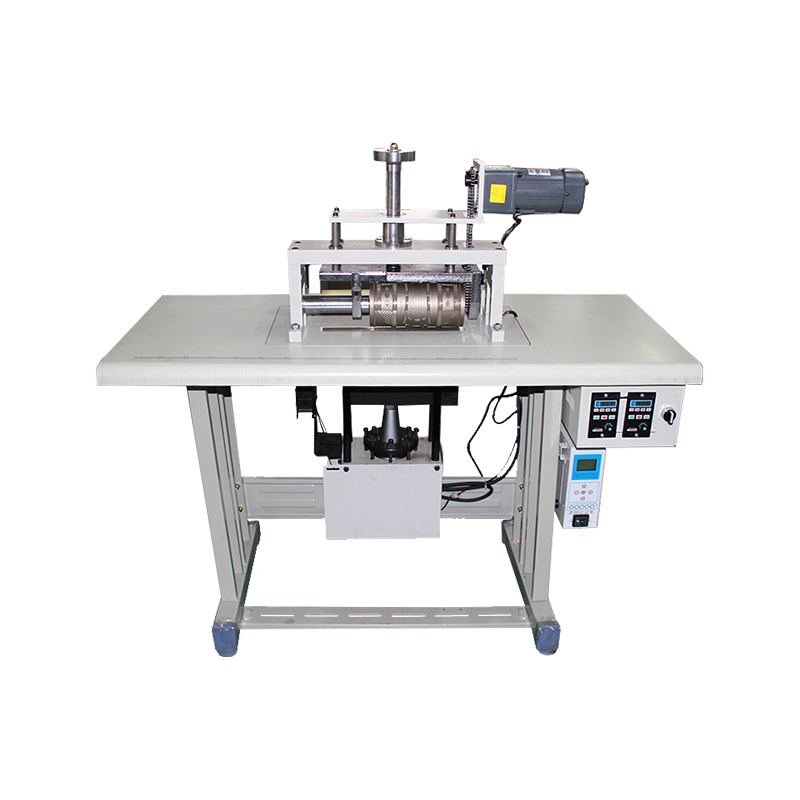
The mold and horn assembly is essentially the tooling that shapes both the weld pattern and the final product outline, and its design directly determines seam strength, flexibility at the seam, and overall product aesthetics. A weld pattern using continuous, unbroken lines produces a stronger, more airtight seam but reduces flexibility at that seam, which can matter for gloves or products that need to flex naturally at joints. A dotted or segmented weld pattern trades some seam strength for improved flexibility, since the unwelded gaps between weld points allow the material to bend more naturally — a tradeoff commonly seen in glove products at finger joints, where rigidity at the seam would otherwise restrict natural hand movement.
Because the mold is custom-tooled to the specific product shape, switching product lines — from gloves to cleaning cloths, for example — typically requires a corresponding mold change, which is a factor worth planning around when scheduling production runs across multiple product types on the same machine.
Recognizing weld defects early, and understanding what each defect indicates, allows operators to correct settings quickly rather than continuing to produce defective output. A weak or incomplete weld, where the seam separates under light pulling force, usually points to insufficient energy delivery — either amplitude set too low or pressure between the horn and mold not fully seated, preventing full contact across the intended weld area. A weld that appears burned, discolored, or has visible thinning of the material at the seam typically indicates excess energy, often from amplitude set too high or dwell time — the duration the horn remains in contact — extending beyond what the material needs to reach a molten state.
Routine horn inspection matters more than it might seem, since a worn or pitted horn surface transfers vibration unevenly, which can cause intermittent weld quality issues that look like a settings problem but are actually a maintenance issue. Replacing or resurfacing a worn horn is often the fix for weld inconsistency that setting adjustments alone can't resolve.
Traditional needle-and-thread stitching on non-woven or synthetic fabric introduces a set of problems that ultrasonic welding avoids entirely, which explains why it's become the standard method for disposable glove and cloth production. Needle holes created during stitching are permanent perforations in the material, which can become entry points for liquid penetration in products meant to provide a barrier, such as cleaning gloves or protective covers. Stitched seams also require thread, needles, and bobbin changes as consumable inputs, adding both material cost and machine downtime for maintenance that ultrasonic welding eliminates, since the weld uses only the base material itself with no additional consumable needed at the seam.
Production speed differs meaningfully as well — a stitched seam requires the needle to pass through the material repeatedly along the entire seam length, while an ultrasonic weld forms in a single, rapid contact cycle across the full mold pattern, which is why ultrasonic glove machines are generally positioned as a higher-throughput option for high-volume disposable product manufacturing compared to sewing-based production lines.

Copyright © ChangZhou AoHeng Machinery Co., Ltd. All Rights Reserved