English
 中文简体
中文简体 русский
 Español
Home / Blog / Industry News / How Does an Ultrasonic Welding Machine Fuse Plastic and Fabric Without Glue or Screws?


Request A Quote

Content
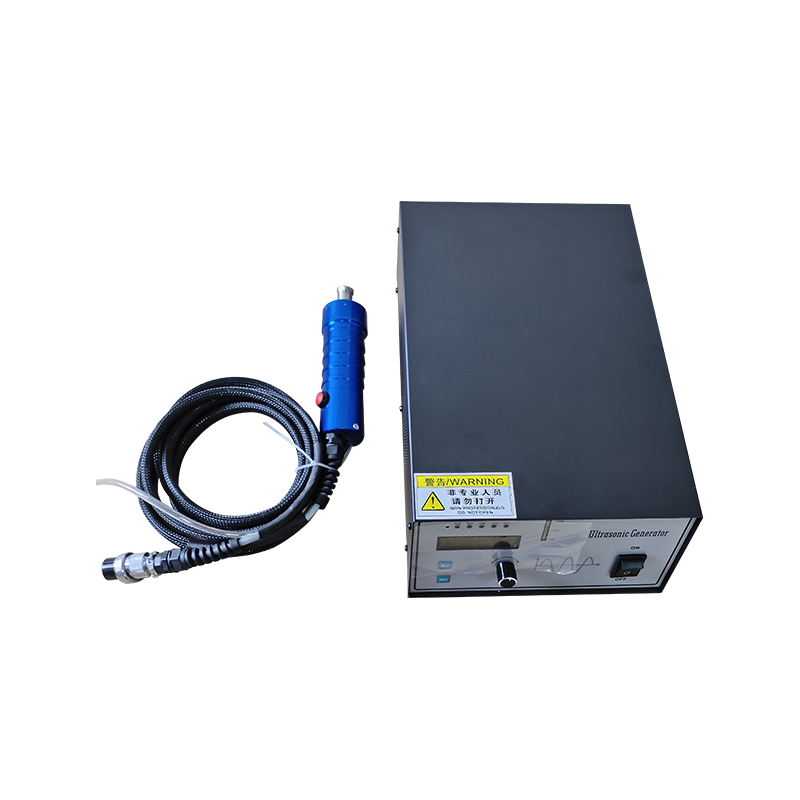
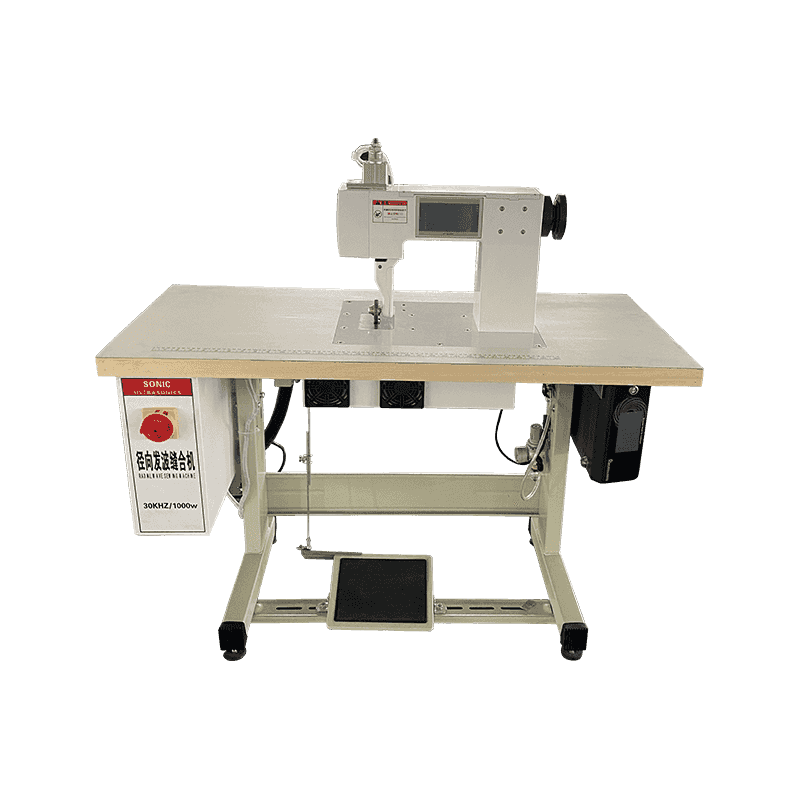
An ultrasonic welding machine joins plastic components or layers of microfiber fabric without adhesives, solvents, or mechanical fasteners. It works by generating a high-frequency signal, typically at 20KHz or 15KHz, through a generator unit, then converting that signal into mechanical vibration through a transducer system. When this vibration is applied to a workpiece under controlled pressure, the friction generated between plastic molecules or fabric microfibers at the joint interface produces enough heat to melt the material locally. As the vibration stops and pressure is maintained, the melted interface cools and solidifies, forming a bond that is often as strong as the surrounding base material.
This process differs fundamentally from traditional joining methods like screwing, gluing, or solvent bonding, since it relies entirely on molecular-level fusion rather than an added connecting material. For manufacturers producing plastic components or synthetic fabric products at scale, this distinction has real implications for production speed, material cost, and finished product durability.
Understanding the mechanical sequence behind ultrasonic welding helps operators troubleshoot weld quality issues and helps buyers evaluate whether a given machine specification suits their production needs. The process unfolds across three distinct stages, each dependent on precise timing and pressure control.
The generator produces a high-frequency electrical signal, most commonly at 20KHz, though 15KHz systems are used for applications requiring higher amplitude on larger or thicker parts. This electrical signal passes to the transducer, which converts it into mechanical vibration at the same frequency using piezoelectric elements.
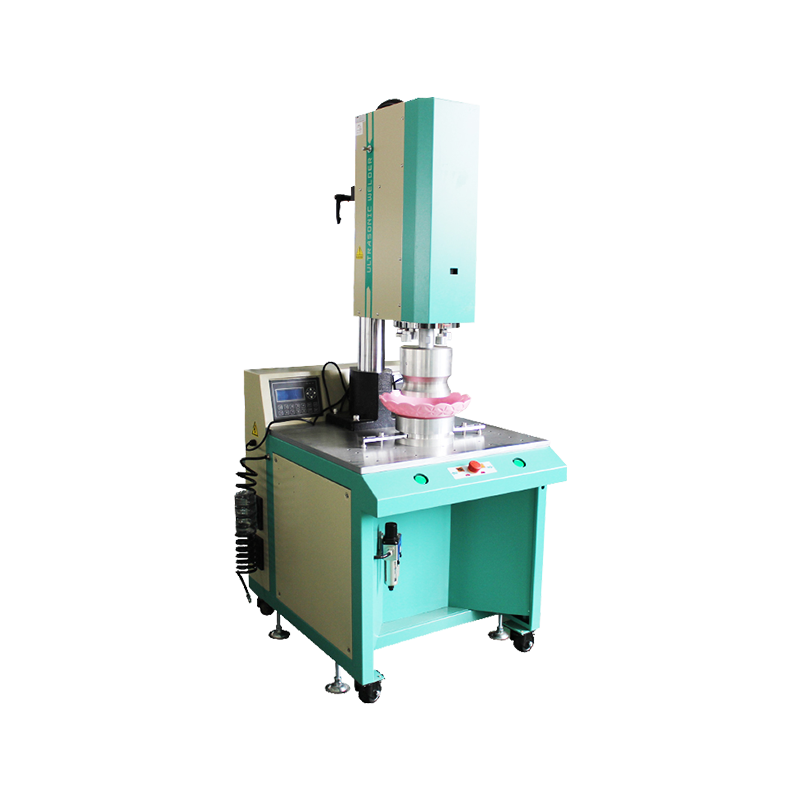
The mechanical vibration travels through a booster and horn assembly, which amplifies and directs the vibration into the workpiece. At the joint interface, this rapid oscillation causes molecular-level friction between the plastic surfaces or between fabric microfibers, generating localized heat concentrated precisely at the intended weld point rather than across the entire part.
Once the interface temperature reaches the material's melting point, the softened plastic flows to fill microscopic gaps between the two surfaces. Vibration then stops while pressure is held in place, allowing the molten interface to cool and resolidify, forming a continuous molecular chain across what was previously two separate surfaces.
Ultrasonic welding offers several measurable advantages that explain its widespread adoption across plastic and textile manufacturing. Weld cycle times are typically extremely short, generally falling between 0.01 and 9.99 seconds per weld, which allows manufacturers to integrate the process into high-speed production lines without creating a bottleneck. Because the resulting bond forms from the base material itself rather than an added adhesive layer, the finished weld strength can approach or match the tensile strength of the original material, giving it the ability to withstand substantial tension and pressure in end-use conditions.
The absence of secondary materials such as screws, rivets, or glue also has downstream benefits. Production costs drop since there's no need to purchase, store, or apply these auxiliary components, and the finished product avoids potential health or environmental concerns tied to solvent-based adhesives. This makes ultrasonic welding particularly attractive for product categories where material purity or human contact safety is a priority, such as medical devices or food-adjacent packaging.
Ultrasonic welding performs reliably across a range of common thermoplastic materials, including polyethylene, polypropylene, and polycarbonate, each of which melts and re-solidifies predictably under controlled vibration and pressure. Material selection matters significantly for weld quality, since different plastics have different melting points, molecular structures, and vibration-damping characteristics that affect how efficiently heat builds at the joint interface. Amorphous plastics like polycarbonate typically weld more predictably than semi-crystalline plastics like polypropylene, which require more precise process tuning to achieve consistent results.
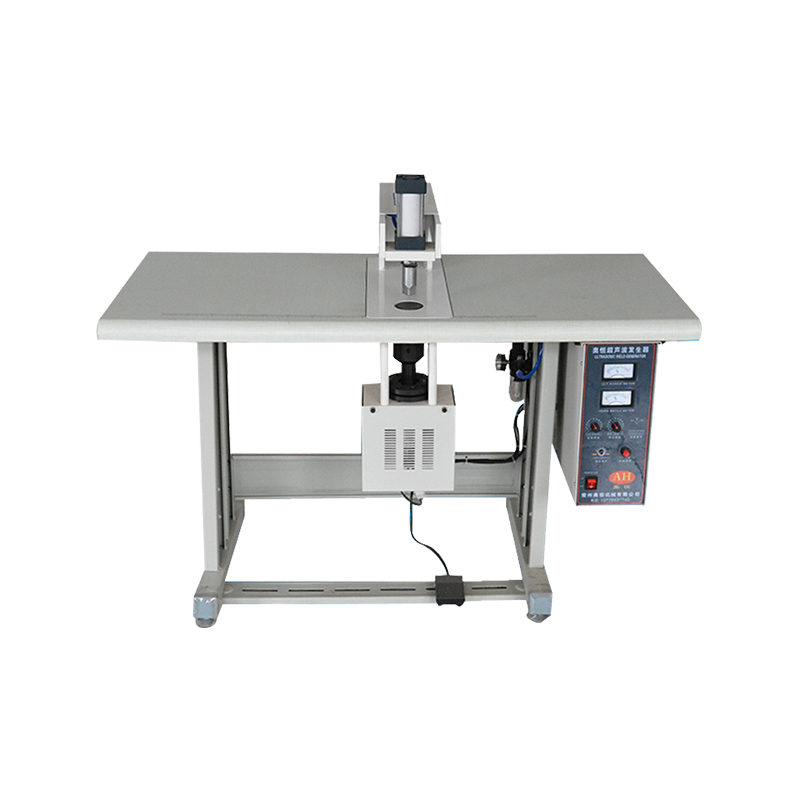
Beyond rigid plastics, ultrasonic welding extends effectively to microfiber fabrics and synthetic textiles, where the same frictional heating principle bonds fiber layers together without stitching. This capability has made ultrasonic welding a practical alternative to sewing in certain textile applications, particularly where a seamless, water-resistant, or lightweight joint is preferred over a stitched seam.
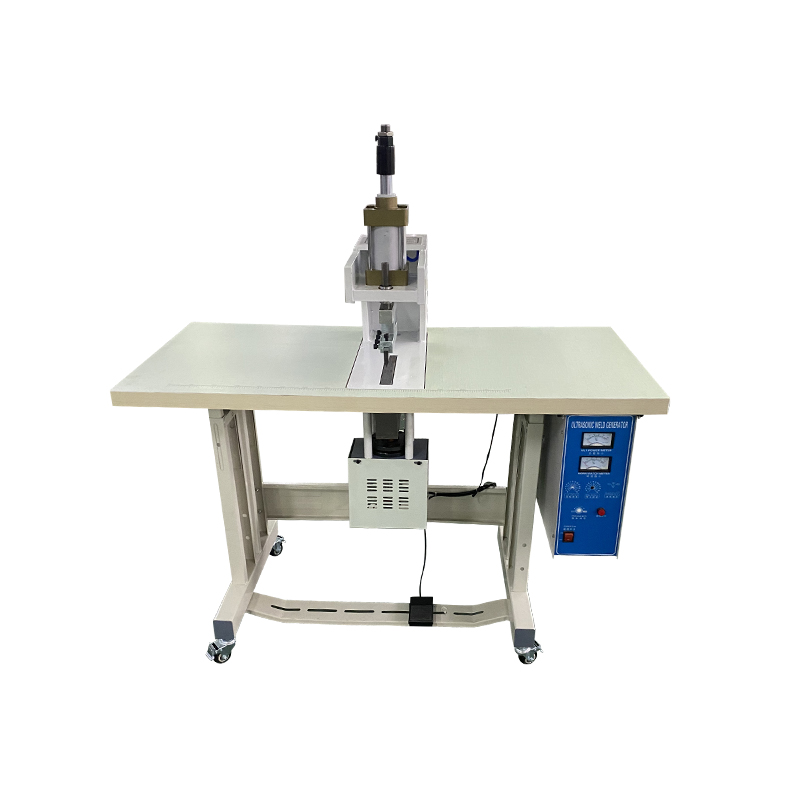
The versatility of ultrasonic welding has led to its adoption across a broad set of manufacturing sectors, each drawing on different aspects of the technology's speed, strength, and material compatibility.
Automotive manufacturers rely on ultrasonic welding for joining plastic parts such as headlight housings, water tank components, and bumper assemblies, where consistent strength and leak-proof seals are essential for long-term vehicle performance.
In electronics production, the process welds mobile phone cases, battery housings, and charger enclosures, where precision and speed both matter given the high production volumes typical of consumer electronics.
Medical device manufacturers use ultrasonic welding to assemble plastic components and drug packaging, valuing the process for its ability to create secure seals without introducing adhesive chemicals that could compromise sterility or patient safety.
Home appliance producers apply the technology to plastic housings for vacuum cleaners, electric fans, and rice cookers, while toy and stationery manufacturers use it to join plastic components in products that require both durability and safety for end users, including children.
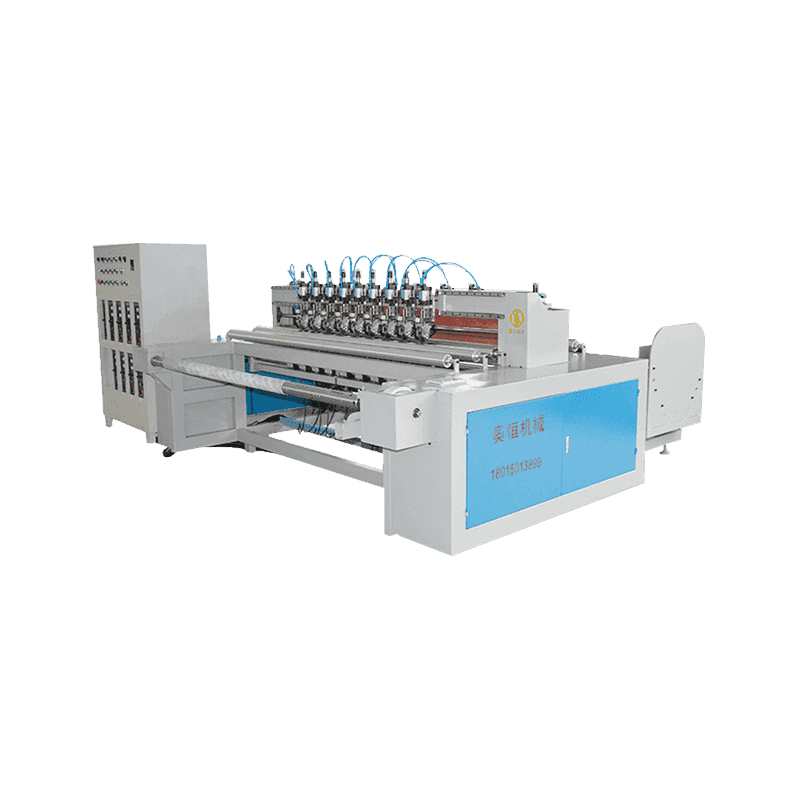
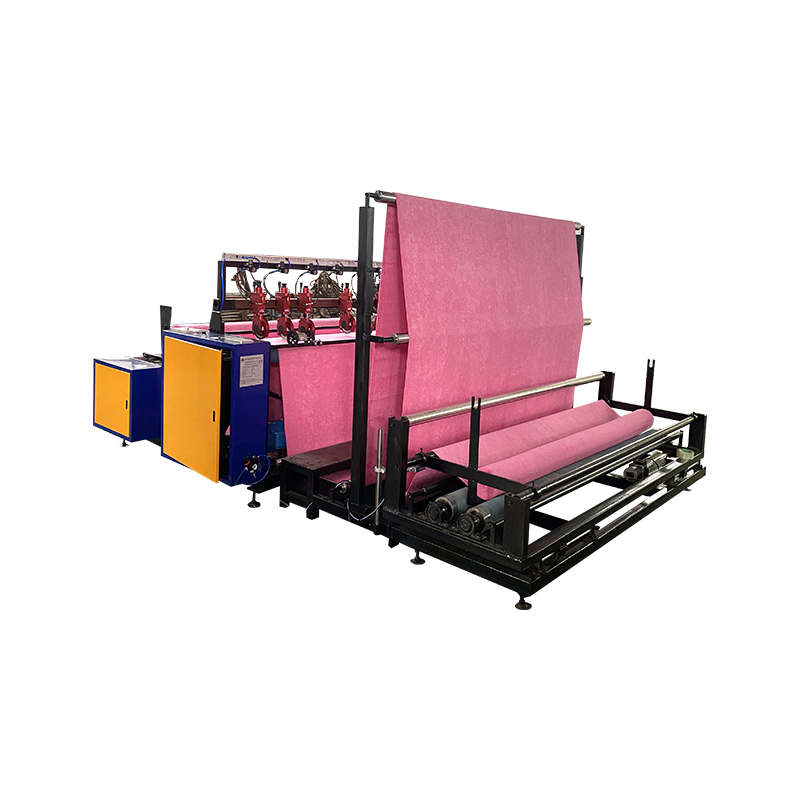
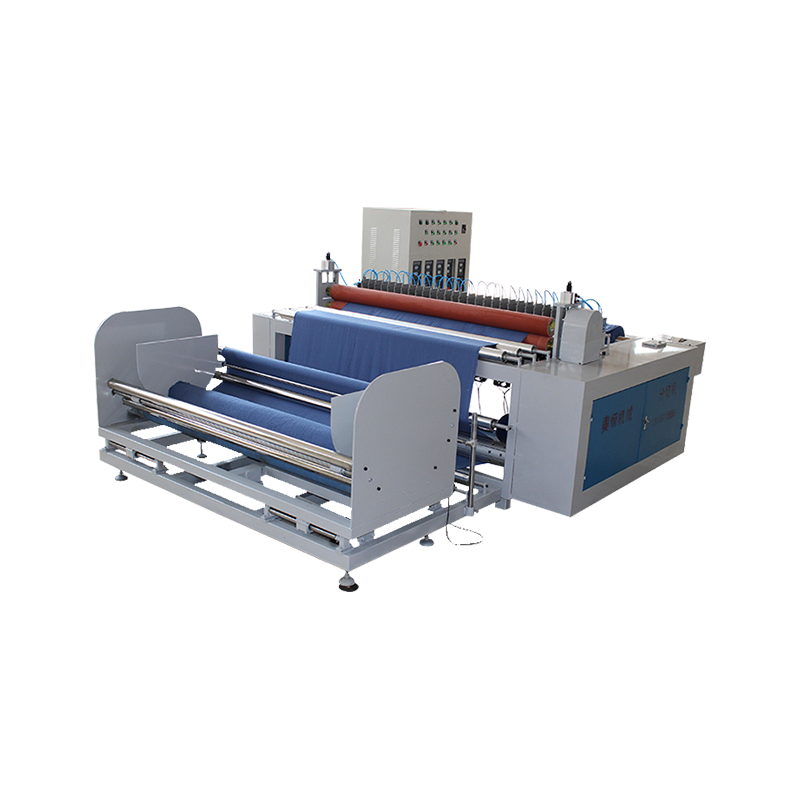
Within textiles, ultrasonic welding is used for nylon helmet straps, helmet padding, mop cloths, non-woven fabrics, and various chemical fiber fabrics, offering a stitch-free joining method suited to products where seam bulk or needle perforations are undesirable.
| Industry | Typical Applications |
| Automotive | Headlights, water tanks, bumpers |
| Electronics | Phone cases, battery cases, chargers |
| Medical | Device housings, drug packaging |
| Home appliances | Vacuum cleaners, fans, rice cookers |
| Toys and stationery | Plastic toys, stationery components |
| Microfiber fabrics | Helmet straps, mop cloths, non-wovens |
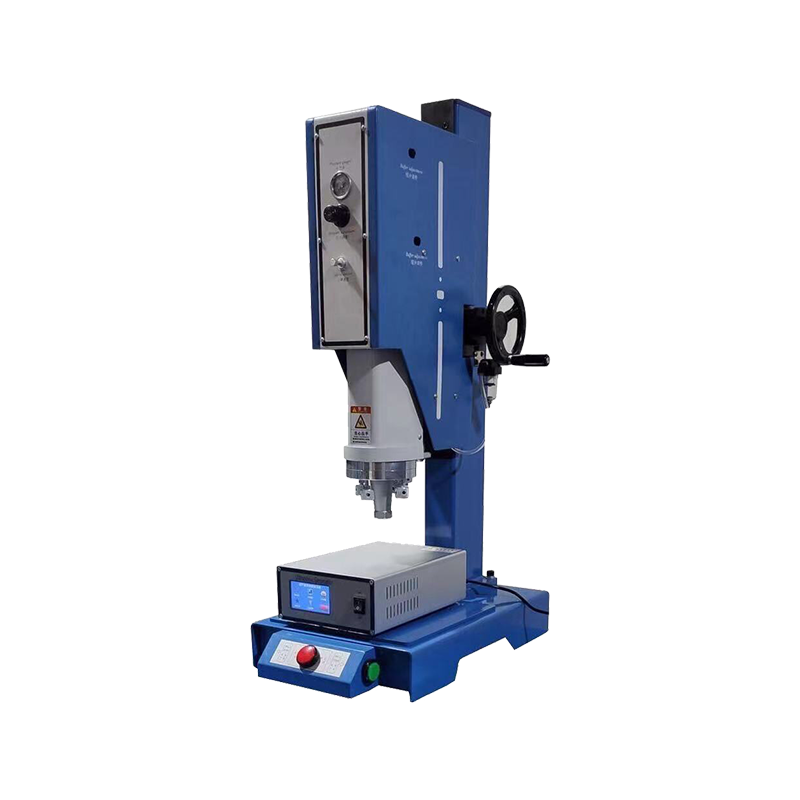
Selecting an ultrasonic welding machine requires matching frequency, power output, and automation level to the specific material and part geometry involved. Higher frequencies such as 20KHz generally suit smaller, more delicate parts requiring precise energy control, while lower frequencies like 15KHz deliver higher amplitude suited to larger or thicker components that need more energy to reach melting temperature. Automated systems with programmable weld time, pressure, and amplitude settings help manufacturers maintain consistent weld quality across long production runs, reducing the variability that can occur with manually operated equipment.
Buyers should also consider horn and fixture design compatibility with their specific part geometry, since the horn must be custom-shaped to match the contact area of the weld joint for consistent energy transfer. Working with a supplier who can provide sample welding trials on the buyer's actual materials before purchase helps confirm that a

Copyright © ChangZhou AoHeng Machinery Co., Ltd. All Rights Reserved