Request A Quote

A single minute of unscheduled downtime on a high-speed baby diaper line can erase over $2,000 in lost production value. Much of that risk sits inside the bonding method. For manufacturers of shoe covers, caps, pillowcases, sanitary napkins, and gloves, the choice of a disposable products ultrasonic machine determines whether the line will consistently hold a 300‑piece‑per‑minute target or drift into a pattern of web snaps, frayed seals, and reject piles. Lead with the bonding technology, and the numbers almost always tilt toward ultrasonic welding over thread, glue, or heat alone.
Selecting the right machine is less about a spec sheet comparison and more about matching specific material‑speed‑edge requirements to a system that can maintain weld integrity across shift changes. This guide breaks down what buyers should test before committing, and how a well‑engineered disposable products ultrasonic machine turns a commodity line into a cost advantage.
Content
Adhesive‑based assembly carries hidden costs: curing time, consumable inventory, uneven glue lines that shift after folding, and the persistent risk of blocking in stacked finished goods. Sewing, while familiar, introduces needle‑cut fibers, broken threads, and limits speed on lightweight nonwovens. Ultrasonic bonding eliminates those variables by using high‑frequency vibration to create instantaneous molecular fusion between thermoplastic layers—most commonly polypropylene, polyethylene, and bicomponent fibers found in spunbond, SMS, and meltblown fabrics.
The result is a sealed, lint‑free edge that requires no secondary drying or finishing. For disposable products, this translates into higher throughput, stronger seams, and the ability to process nonwoven‑film‑nonwoven laminates in a single pass. When a line runs 24/7, even a 2% reduction in waste from skipped stitches or adhesive smearing pays for the equipment differential within months.
Not every ultrasonic system handles the full width range or cycle rate that a product requires. Evaluations should focus on four industrial tolerances that directly affect line performance.
A machine designed for 300 mm‑wide spunbond may lose amplitude stability at 900 mm when running a heavier PE film‑nonwoven composite. Verify the horn face width, amplitude control range, and anvil‑gap adjustment for the thinnest and thickest materials on your bill of materials. Test with actual production‑grade rolls, not lab samples, because surface treatments and reclaimed fiber content change weld behavior.
Cycle rate is meaningless without a definition of product length and number of welds per piece. Evaluate by actual pieces per minute, with the machine running end‑to‑end—feeding, cutting, welding, stacking—over a sustained two‑hour window. Look for speed stability at your upper target: if a glove machine is rated at 200 pcs/min but begins losing edge seal at 170 pcs/min, the line will be running at a permanent handicap.
The most common failure mode in disposable products is an interrupted seal that leads to tearing along a side seam. A buy‑off test should inspect 200 consecutive pieces for soft spots, pin holes, or stretch‑induced peel. Use a standardized tensile test across the seal line; variation above ±8% from mean force typically indicates inconsistent horn‑surface contact or roller parallel drift.
A standalone ultrasonic unit may perform well on a workbench and still generate mis‑indexed strips when synchronized with a folder, stacker, or bagger. The control system must accept encoder signals from the parent line and compensate for acceleration ramps. If your downstream packager requires 10‑piece stacks with counted ejection, the ultrasonic machine’s indexing logic must support that without adding dwell time.
Even a premium disposable products ultrasonic machine will underperform if the feeding and take‑away system introduces tension spikes. Three factors dominate real‑world uptime:
Different product geometries place different demands on the welding pattern and material flow. The following table summarizes how common application parameters influence machine selection.
| Product Type | Common Materials | Typical Weld Pattern | Output Range (pcs/min) |
|---|---|---|---|
| Nonwoven shoe cover | Spunbond PP, elastic band | Continuous edge‑to‑edge seal, no hole | 80–180 |
| Bouffant / clip cap | PP nonwoven, PE film backing | Circumferential side seal + top crimp | 120–250 |
| Sanitary napkin | Nonwoven + PE film + SAP core | Perimeter seal + glue‑coating zone | 200–400 |
| Examination glove | PE film or CPE laminate | Finger‑to‑cuff full‑profile seal | 100–180 |
In practice, the most demanding line often involves the shoe cover, where elastic incorporation must not distort the ultrasonic horn’s contact with the nonwoven. The shoe cover ultrasonic machine handles multi‑layer spunbond with elastic banding, delivering sealed edges at rates over 150 units per minute without thread or glue. For cleanroom‑grade caps requiring a combination of nonwoven and PE film, the plastic and nonwoven cap machine maintains cone‑shaped side seals even at 250 pcs/min. When absorbent cores enter the equation, the sanitary napkin machine with glue coating integrates ultrasonic perimeter bonding with a precise adhesive application step, eliminating panel‑shift defects that historically plagued high‑speed napkin lines.
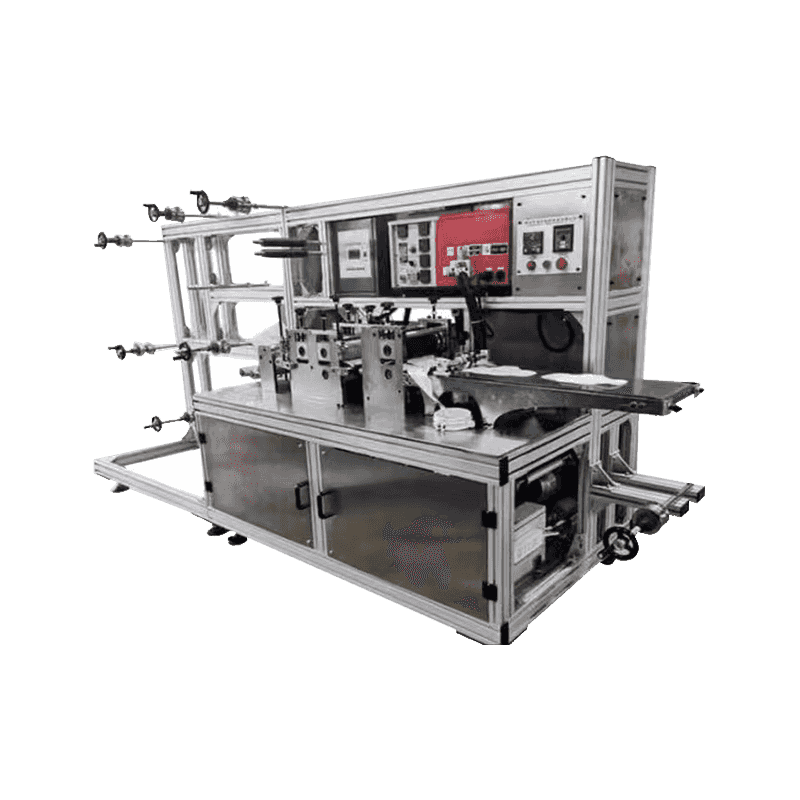 Custom Sanitary napkin machine with glue coating function Suppliers, OEM/ODM ComChangzhou Aoheng Machinery Co., Ltd is China custom Sanitary napkin machine with glue coating function suppliers and OEM/ODM company, det...View Product →
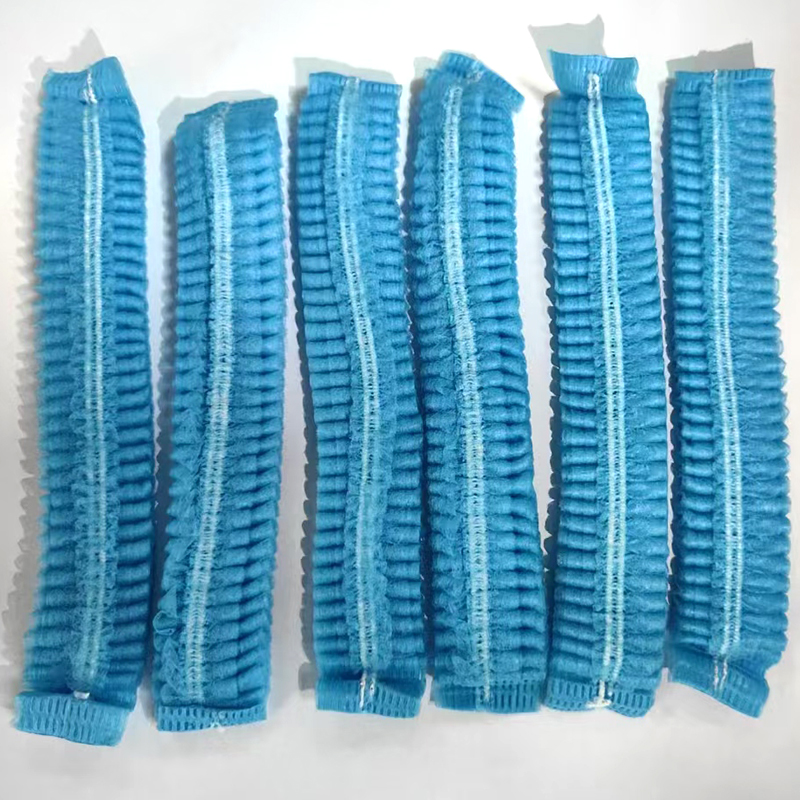 Custom Plastic and non-woven cap machine Suppliers, OEM/ODM Company - Changzhou Changzhou Aoheng Machinery Co., Ltd is China custom Plastic and non-woven cap machine suppliers and OEM/ODM company, details: Machine Mo...View Product →
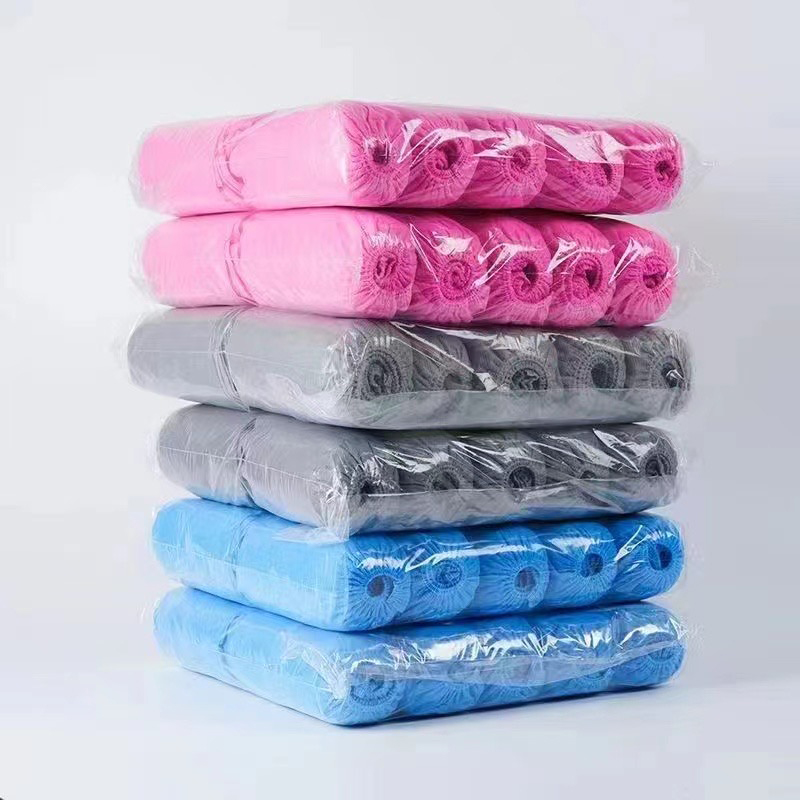 Custom Disposable non woven shoe cover making machine Suppliers, OEM/ODM CompanyChangzhou Aoheng Machinery Co., Ltd is China custom Disposable non woven shoe cover making machine suppliers and OEM/ODM company, details...View Product →
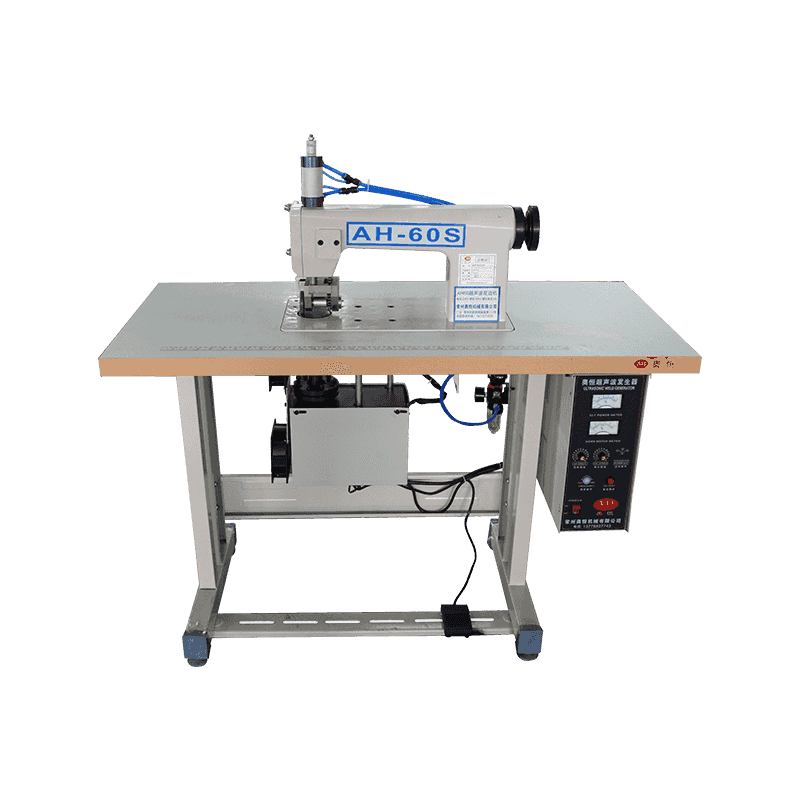
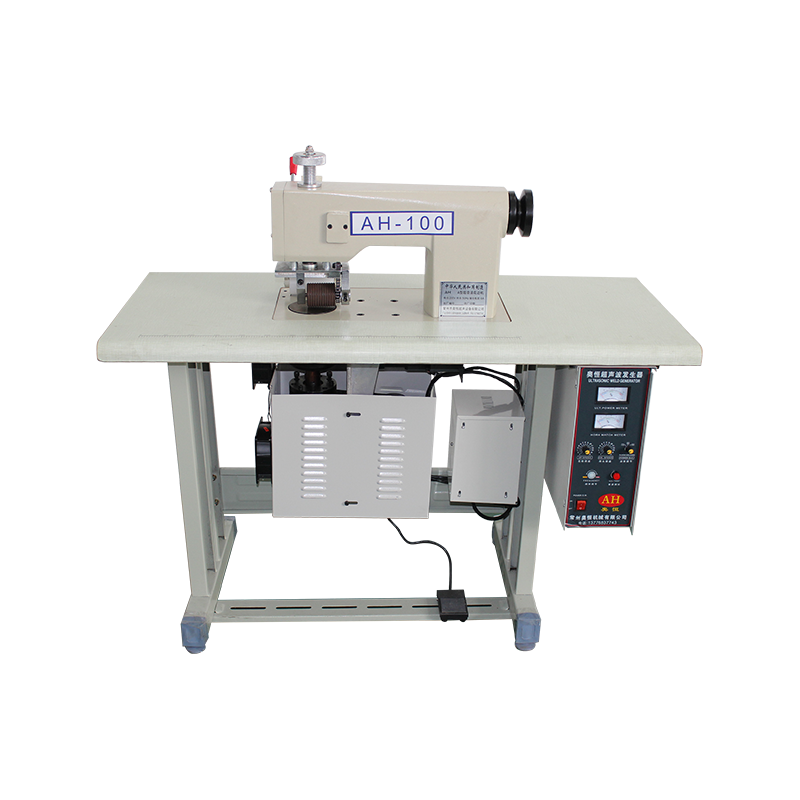
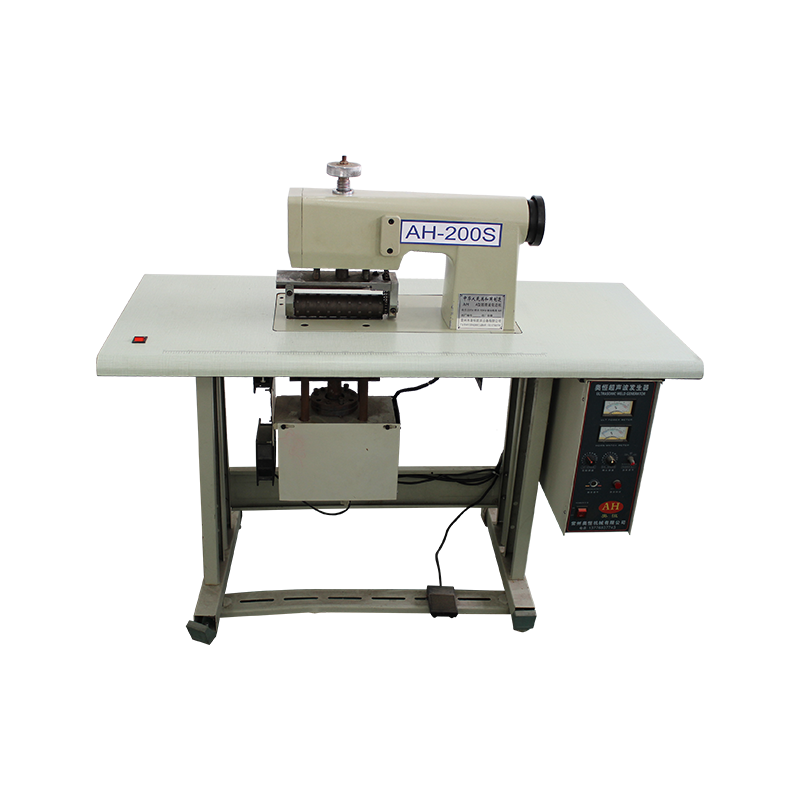
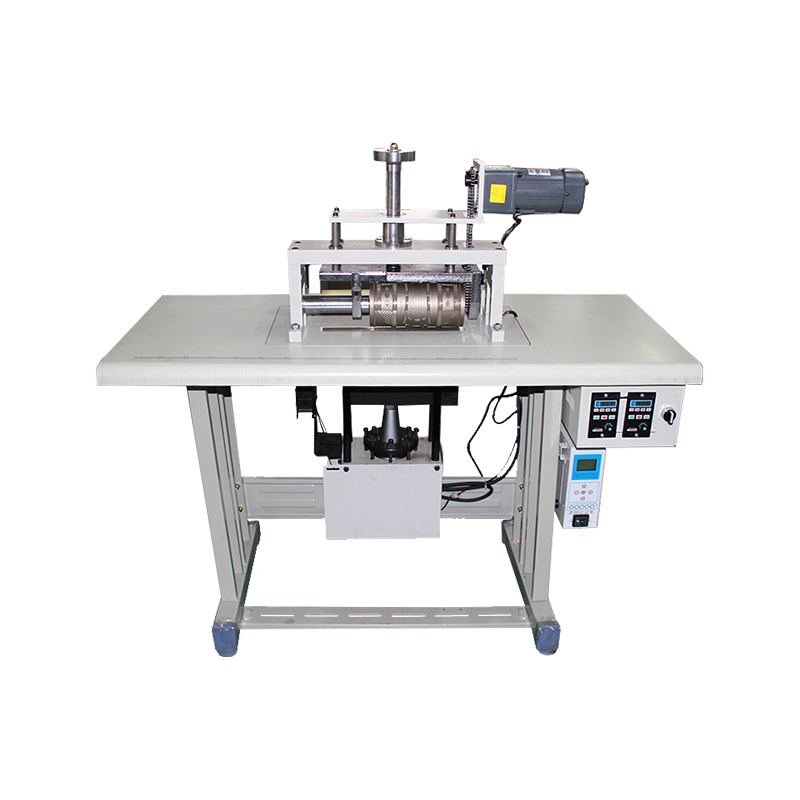
Purchasing a disposable products ultrasonic machine as part of a coordinated system from a single engineering team often outperforms a mix‑and‑match approach. The synchronization of feeder, ultrasonic unit, folding table, and stacker reduces the communication latency that can cause drift in product length over 100,000 cycles. Service support also concentrates responsibility: when a wear‑part change is needed, one technical contact restores the entire line rather than defending a finger‑pointing contest between three component suppliers. The full range of disposable‑products machines illustrates how a manufacturer that designs both the ultrasonic core and the downstream automation can deliver cut‑create‑pack performance with a single set of reference signals. For companies scaling from pilot to multi‑line factory, this reduces training and spare‑parts complexity.
In the economics of hygiene, medical, and industrial disposables, the bonding station is the pivot of unit cost. A disposable products ultrasonic machine selected against the raw‑material widths, speed targets, and edge‑integrity standards of your actual production environment routinely returns a better margin than a generic option sized by brochure wattage. How disposable products ultrasonic machines serve medical and hygiene industries confirms that the underlying technology is mature, but the difference between a line that runs at 95% efficiency and one at 81% is nearly always in the application‑specific tuning and the build tolerances of the welding head assembly. Validate with your own materials, run the two‑hour live test, and the numbers will tell you whether the machine can carry the shift.

Copyright © ChangZhou AoHeng Machinery Co., Ltd. All Rights Reserved
 English
 中文简体
中文简体 русский
 Español