Request A Quote

An industrial-grade electric box, often referred to as an electrical enclosure, is a protective housing designed to shield wiring, switches, circuit breakers, and other electrical components from environmental hazards such as dust, moisture, vibration, and physical impact. The AH-Industrial-Grade Electric Box is built specifically for demanding industrial settings where standard residential or commercial enclosures fall short. This article examines what defines an industrial-grade electric box, where it is used, and how to select the right one for a given application.
Content
Industrial-grade electric boxes differ from standard enclosures in construction, material thickness, and certification standards. They are typically built from heavier-gauge steel, stainless steel, or reinforced polycarbonate, and they undergo testing to meet recognized ingress protection ratings. Unlike lightweight consumer enclosures, these boxes are engineered to withstand continuous exposure to harsh conditions without warping, corroding, or losing their protective seal over time.
Most industrial-grade boxes use cold-rolled or stainless steel for maximum durability, though fiberglass-reinforced and polycarbonate versions are common where corrosion resistance is a priority. Welded seams, powder-coated finishes, and reinforced mounting points are standard features that distinguish these products from lighter-duty alternatives.
Ingress Protection (IP) or NEMA ratings indicate how well a box resists dust and water intrusion. An AH-Industrial-Grade Electric Box is generally rated for at least IP65 or NEMA 4 protection, meaning it can handle washdowns, rain, and airborne particulates without compromising the components inside.
When evaluating an industrial electric box, several features determine whether it will hold up under real-world operating conditions. These features affect not only durability but also ease of installation and long-term maintenance.
Industrial-grade electric boxes serve a wide range of functions across manufacturing, energy, and infrastructure sectors. Their core purpose is always the same: protecting critical electrical components while allowing safe, accessible operation.
On factory floors, these boxes house motor controls, disconnect switches, and control panels that must remain protected from dust, oil mist, and mechanical vibration generated by nearby machinery. A sealed enclosure prevents contaminants from causing short circuits or corrosion of internal contacts.
For outdoor power distribution, substation control, and utility metering, weatherproof electric boxes protect against rain, snow, temperature extremes, and UV exposure. Stainless steel or polycarbonate versions are frequently chosen for coastal or high-humidity regions where corrosion is a persistent concern.
Facilities that require frequent washdowns, such as food processing plants, rely on stainless steel enclosures with sealed doors to withstand high-pressure cleaning and exposure to cleaning chemicals without rusting or degrading.
In environments where flammable gases or vapors may be present, explosion-proof or hazardous-location-rated electric boxes are required. These specialized enclosures prevent internal sparks from igniting surrounding atmospheres and must meet strict certification standards before deployment.
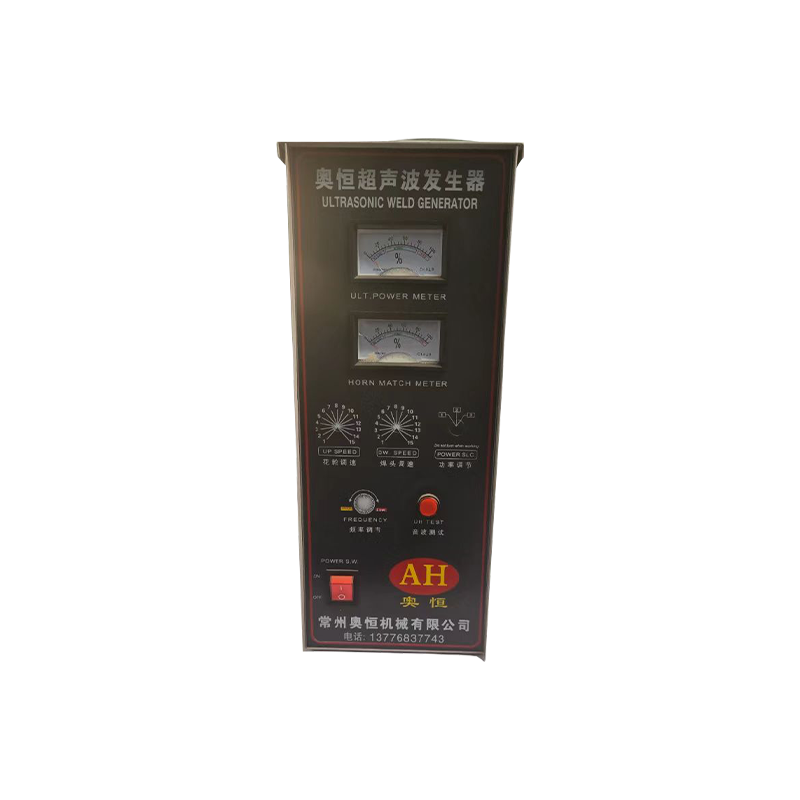
Choosing between material and rating options depends heavily on the operating environment. The table below outlines common enclosure types and where they are typically deployed.
| Enclosure Type | Typical Rating | Best Suited For |
| Carbon steel, powder-coated | NEMA 12 | Indoor manufacturing areas |
| Stainless steel | NEMA 4X | Washdown and corrosive environments |
| Polycarbonate | IP65/NEMA 4 | Outdoor, non-metallic requirements |
| Fiberglass | NEMA 4X | Chemical plants, coastal sites |
| Explosion-proof cast alloy | NEMA 7/9 | Hazardous, flammable atmospheres |
Proper installation is just as important as choosing the right enclosure. Even a high-quality industrial-grade electric box can fail to perform if it is installed incorrectly or maintained poorly.
Selecting the correct model starts with a clear understanding of the installation environment and the components it will house. Consider the level of dust, moisture, and chemical exposure at the site, along with any regulatory requirements specific to the industry, such as food safety or hazardous location codes. Internal space requirements also matter, since the box must accommodate not only current wiring and devices but also allow room for future expansion or maintenance access.
Physical size and mounting orientation should match the available installation space, while material choice should align with both budget and long-term durability expectations. For facilities with strict cleaning protocols, stainless steel remains the preferred option despite its higher upfront cost, since it reduces long-term maintenance and replacement expenses.
An AH-Industrial-Grade Electric Box is designed to meet the demands of environments where reliability and protection cannot be compromised. By understanding the material options, protection ratings, and application-specific requirements outlined above, facility managers and electrical contractors can make an informed choice that ensures long-term performance and safety for critical electrical systems.

Copyright © ChangZhou AoHeng Machinery Co., Ltd. All Rights Reserved
 English
 中文简体
中文简体 русский
 Español