Request A Quote

Content
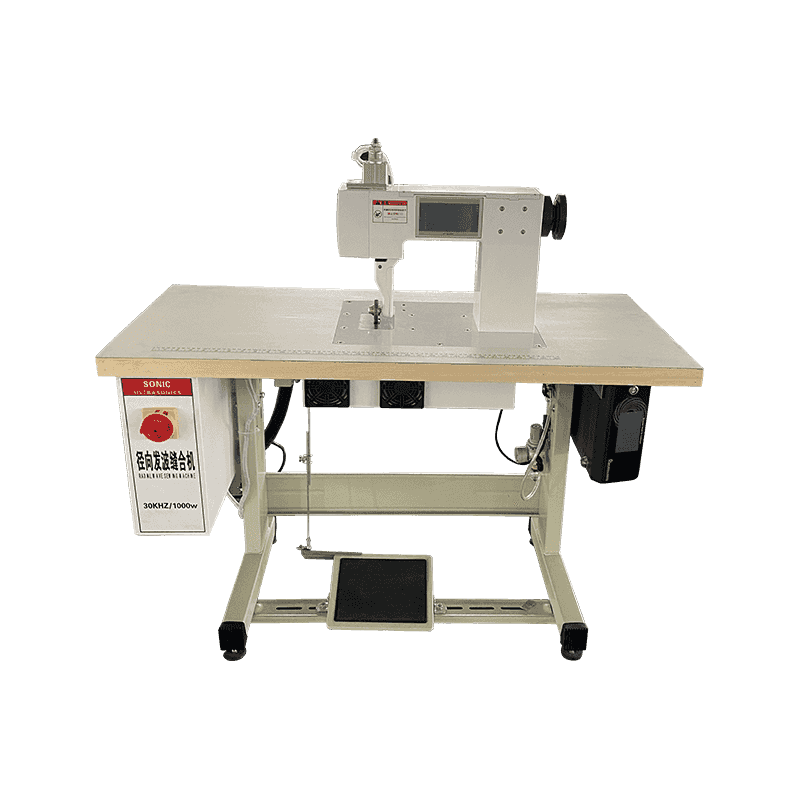
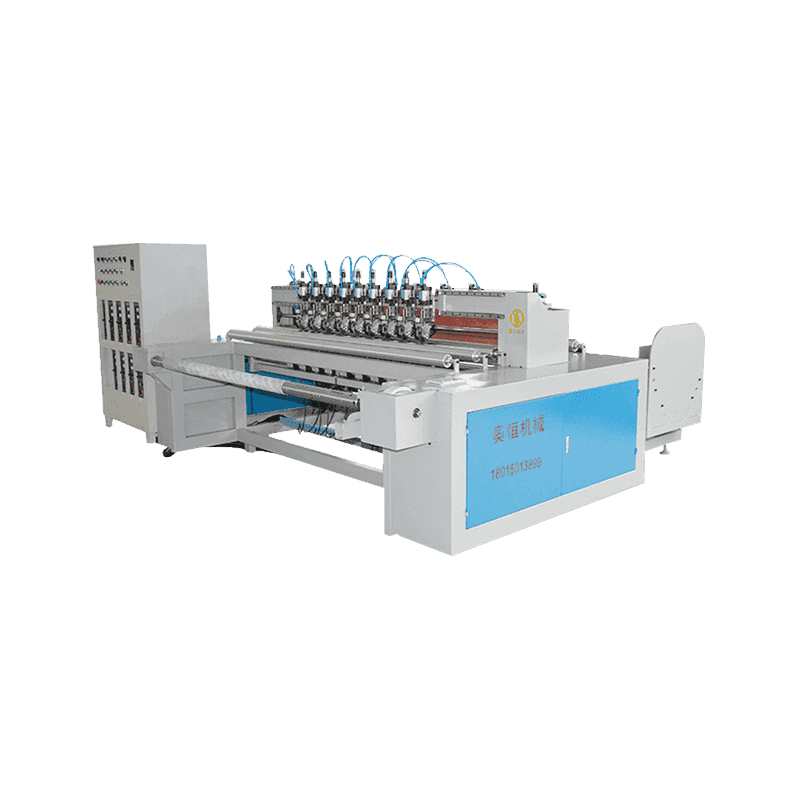
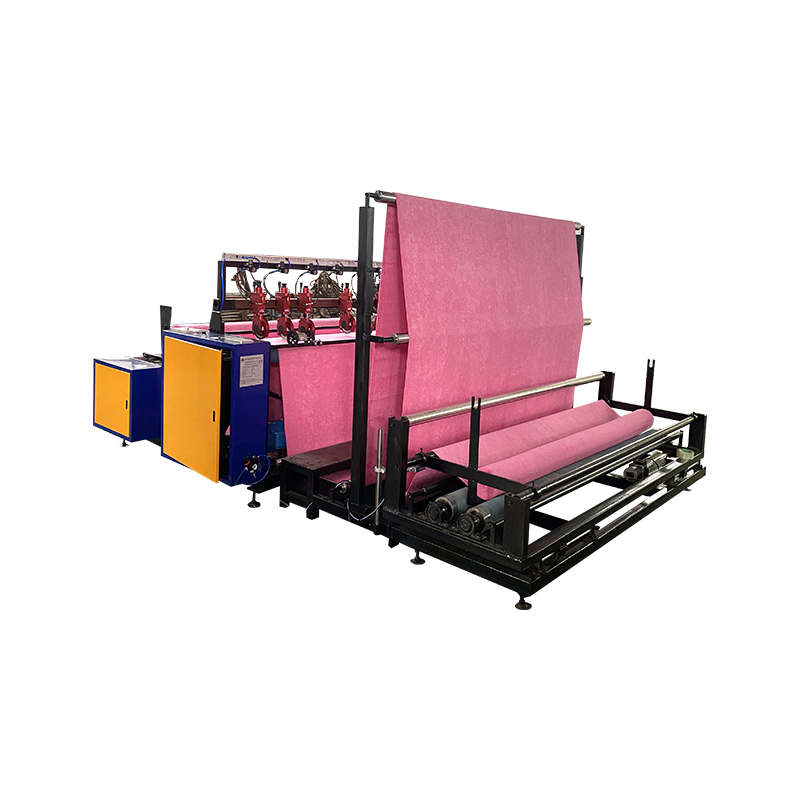
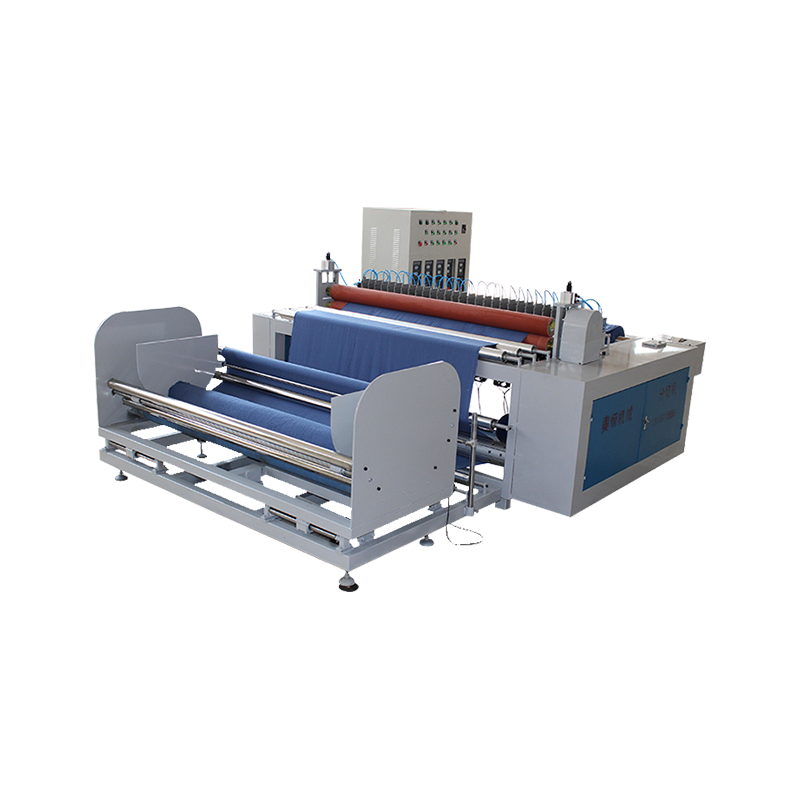
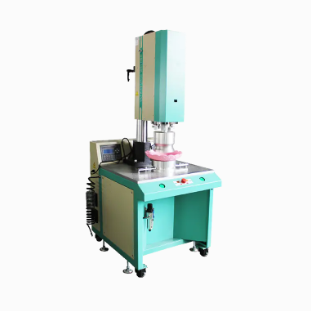
An ultrasonic welding machine is a piece of industrial equipment that joins two materials, most commonly thermoplastics or metals, by using high-frequency vibrations rather than heat from an external source or adhesives. The machine converts electrical energy into mechanical vibration, which is then applied to the surfaces being joined. This vibration generates localized frictional heat at the interface between the two parts, softening or melting the material just enough to form a strong, permanent bond as it cools. Because the process does not rely on glues, solvents, or open flames, it is widely regarded as a clean, fast, and repeatable joining method suited to high-volume manufacturing environments.
Unlike traditional welding techniques that require melting an entire component, ultrasonic welding focuses energy precisely at the joint line. This targeted approach reduces material waste, shortens cycle times, and minimizes thermal stress on surrounding areas, making it a preferred choice for delicate assemblies such as electronic components, medical devices, and packaging films.
The working principle of an ultrasonic welding machine centers on converting electrical energy into high-frequency mechanical vibration, typically between 15 kHz and 70 kHz. These vibrations are transmitted through a series of precision components that amplify and direct the energy to the exact point where bonding needs to occur.
Every ultrasonic welding system relies on a coordinated set of parts working together to produce a consistent weld:
| Power Supply/Generator | Converts standard electrical current into high-frequency electrical energy |
| Converter/Transducer | Transforms electrical energy into mechanical vibration using piezoelectric elements |
| Booster | Amplifies or reduces the amplitude of vibration before it reaches the horn |
| Horn (Sonotrode) | Delivers vibration directly to the workpiece and applies pressure |
| Anvil/Fixture | Holds the parts in place and provides a stable base during welding |
Once the machine is set up, the actual welding cycle happens in a matter of seconds. Understanding each stage helps explain why the process is so efficient:
This entire sequence typically takes less than one second for small components and only a few seconds for larger or more complex assemblies, which is why ultrasonic welding is so well suited to automated production lines.
Manufacturers choose ultrasonic welding machines over alternative joining methods for several practical reasons. The process offers a combination of speed, consistency, and material compatibility that few other techniques can match.
Because ultrasonic welding works with a wide range of thermoplastics, nonwoven fabrics, and certain metals, it has found a place in numerous industries. The specific application usually determines the machine's power output, horn design, and fixture configuration.
| Packaging Industry | Sealing blister packs, sachets, and plastic film pouches |
| Automotive Manufacturing | Joining dashboard components, air filters, and wiring harnesses |
| Medical Device Production | Assembling filters, masks, IV components, and diagnostic housings |
| Textile and Nonwoven Goods | Bonding seams in surgical gowns, face masks, and hygiene products |
| Electronics Manufacturing | Wire splicing and battery tab welding for connectors and circuits |
When deciding whether ultrasonic welding is the right fit, it helps to compare it against other common joining techniques such as adhesive bonding and heat staking.
| Method | Cycle Time | Consumables Needed |
| Ultrasonic Welding | Under 1-3 seconds | None |
| Adhesive Bonding | Minutes to hours (curing time) | Glue or resin |
| Heat Staking | Several seconds | None, but higher energy use |
This comparison shows why ultrasonic welding is often favored in high-speed production settings where curing delays or extra materials would slow down output or add cost.
Selecting an appropriate machine depends on the material type, part geometry, and required production volume. Buyers typically evaluate frequency options, ranging from 15 kHz for larger, tougher parts to 40 kHz or higher for small, delicate components. Power rating, horn design, and the availability of programmable controls for amplitude, pressure, and weld time also play a significant role in matching a machine to a specific application. Manufacturers producing varied product lines often invest in machines with interchangeable tooling so a single unit can handle multiple part designs without major reconfiguration.
Achieving consistent, strong welds requires attention to both machine setup and part design. The following practices help minimize defects and improve overall weld strength:
By combining sound part design with correctly calibrated equipment, manufacturers can rely on ultrasonic welding machines to deliver fast, clean, and durable joints across a wide range of products and industries.

Copyright © ChangZhou AoHeng Machinery Co., Ltd. All Rights Reserved
 English
 中文简体
中文简体 русский
 Español