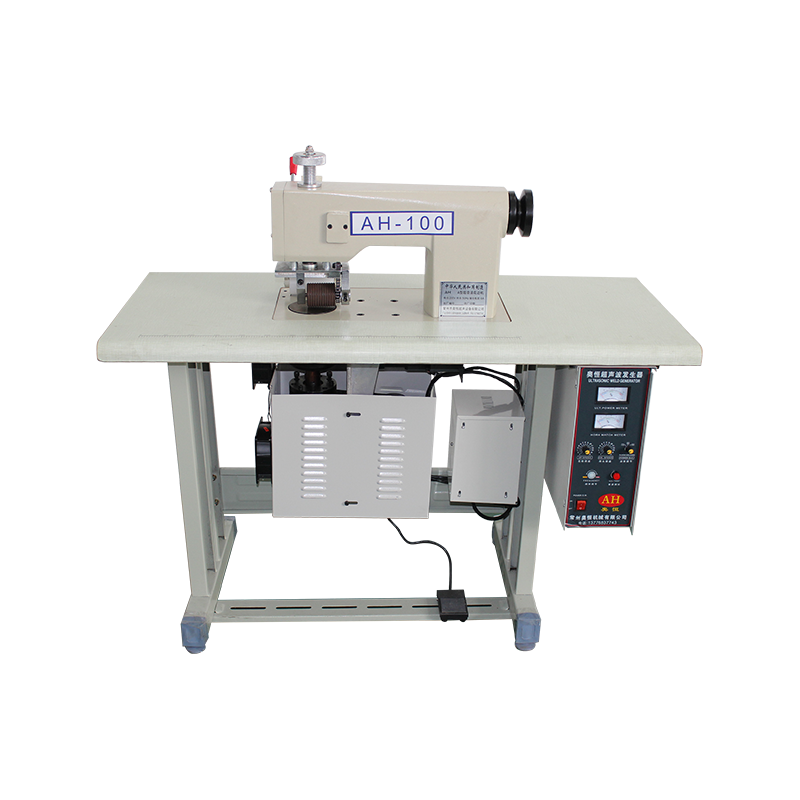
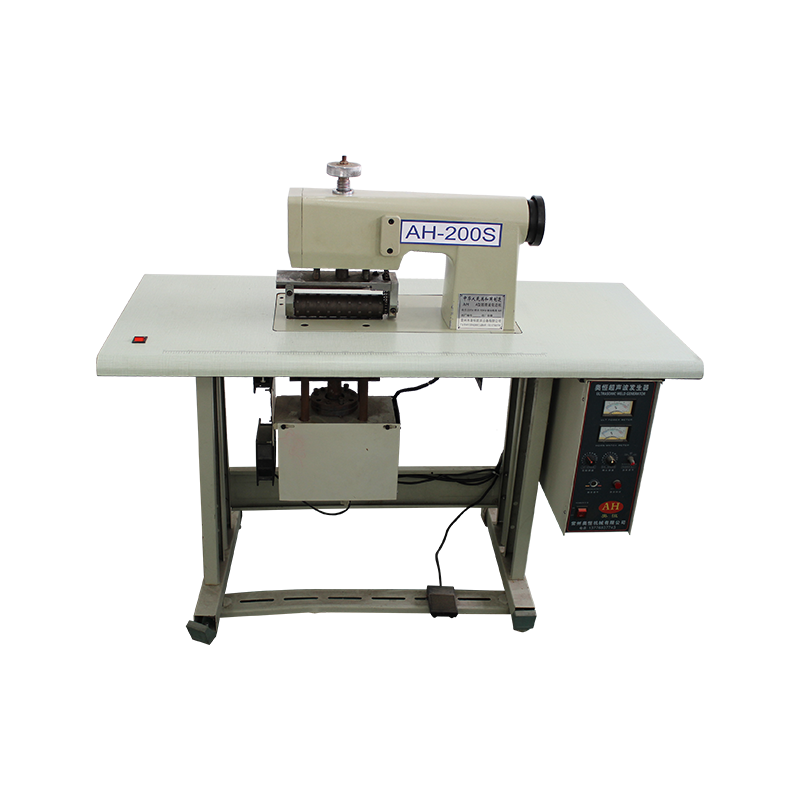
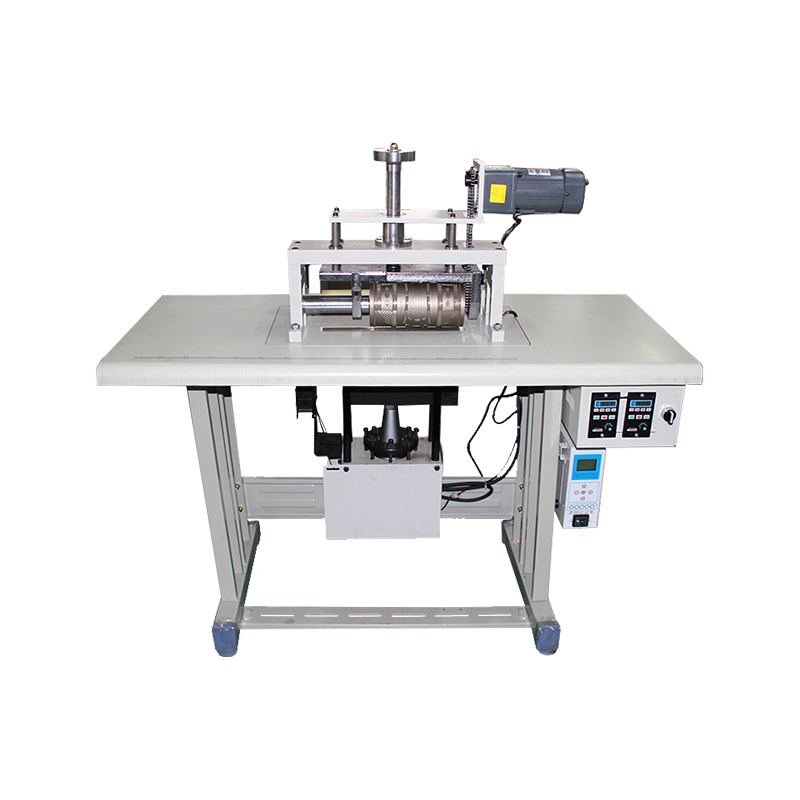
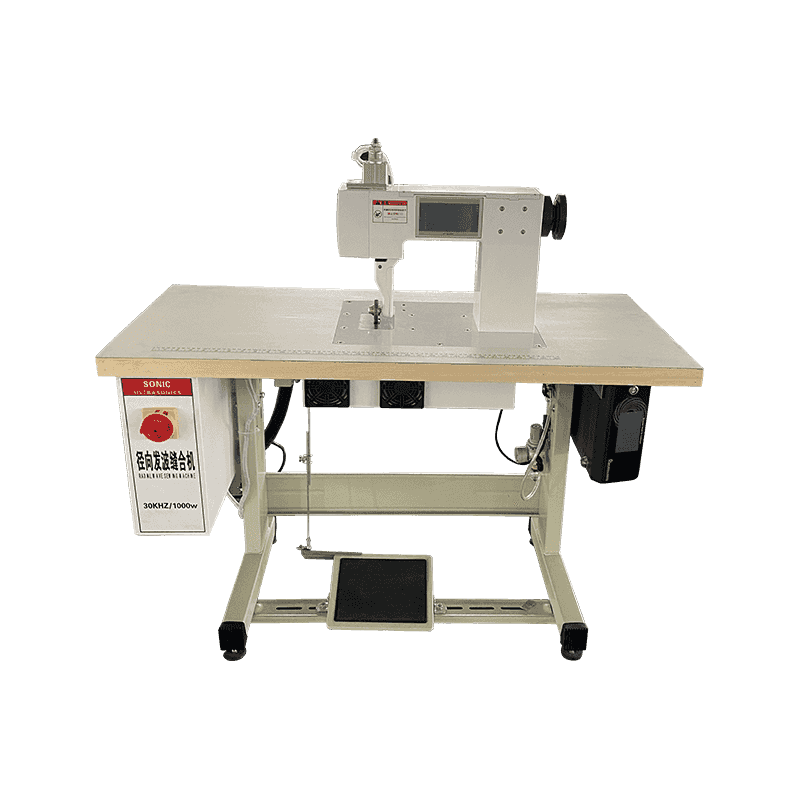
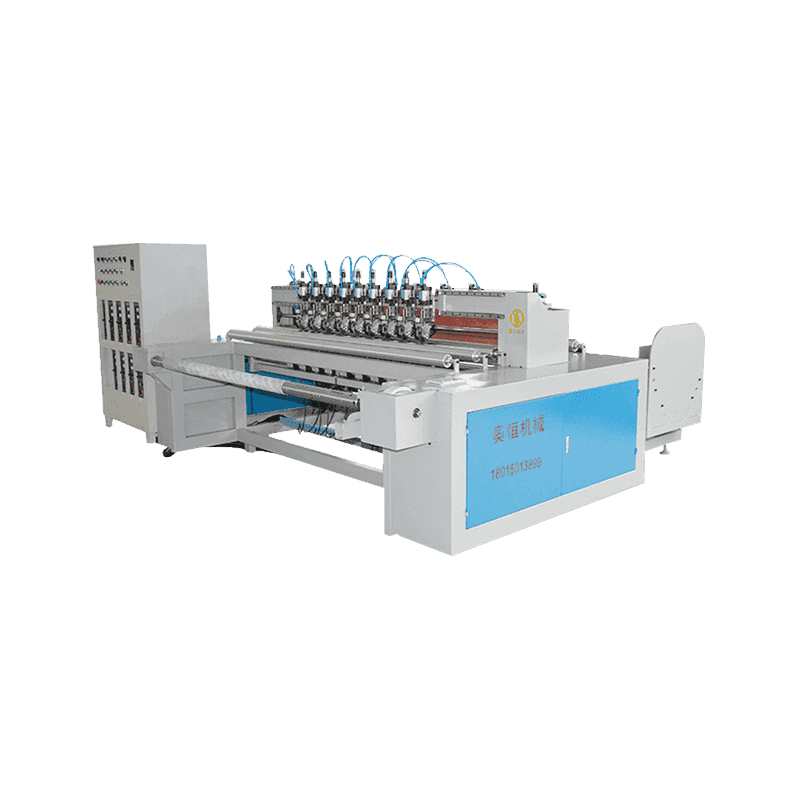
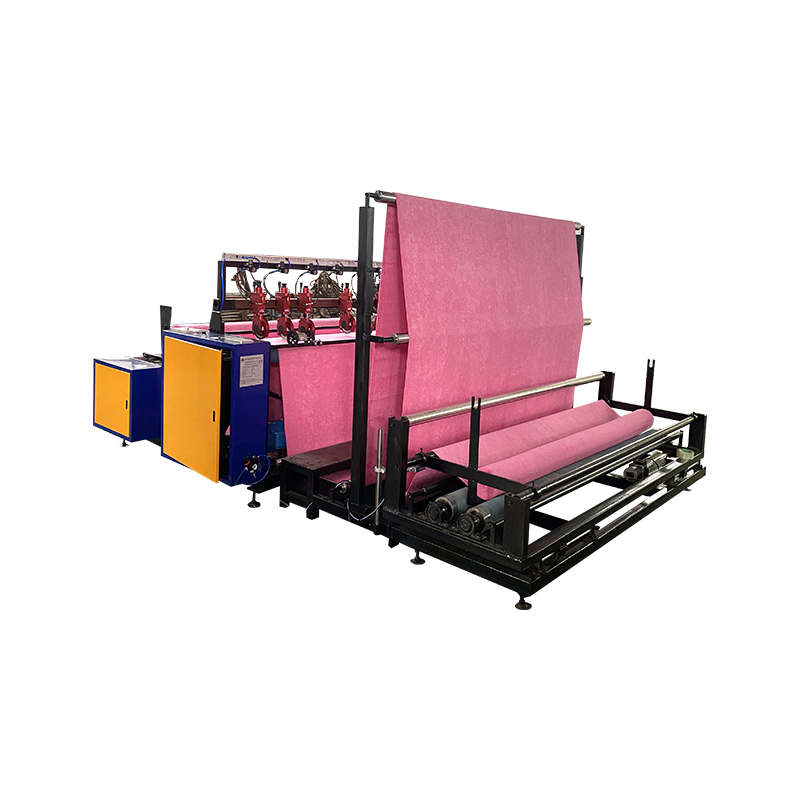
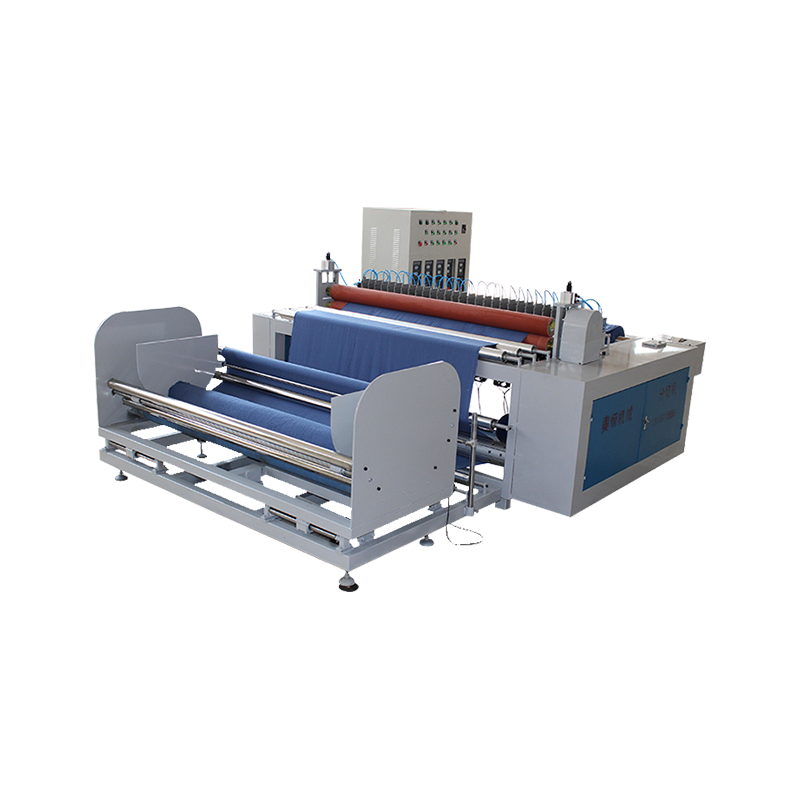
A textile cutting machine is a pivotal piece of equipment in the manufacturing process, transforming rolls or piles of fabric into precise pattern pieces for garments, home furnishings, and technical textiles. Moving far beyond simple manual scissors, modern cutting machines utilize advanced technologies to achieve exceptional accuracy, speed, and material efficiency. The choice of cutting system directly impacts production throughput, waste reduction, and the quality of the final product, making it a critical investment for any serious textile operation.
Content
The journey of textile cutting has evolved from purely manual tools to highly sophisticated computer-controlled systems. This evolution reflects the industry's drive for greater efficiency and consistency.
Each automated cutting technology offers distinct advantages suited to different fabrics, volumes, and precision requirements.
These are motorized, handheld tools used by an operator who follows a pattern outline. They offer more power and speed than fully manual tools and are common in smaller factories or for cutting single plies. They represent a middle ground between manual and fully automated systems.
The workhorse of the apparel industry. A reciprocating or oscillating vertical knife is mounted on a gantry that moves over a flat cutting table. The fabric is laid in a single or multiple plies (spread) on the table. The machine cuts through the entire stack at once with high precision. Ideal for cutting large volumes of woven and knit fabrics for garments.
Utilize a focused, high-power laser beam to vaporize material, creating a clean, sealed edge that prevents fraying. Excellent for synthetic fabrics, technical textiles, and intricate designs. They are fast and precise for single-ply cutting but can produce fumes and a heat-affected edge (discoloration or hardening). Not suitable for multi-ply cutting or certain flammable materials.
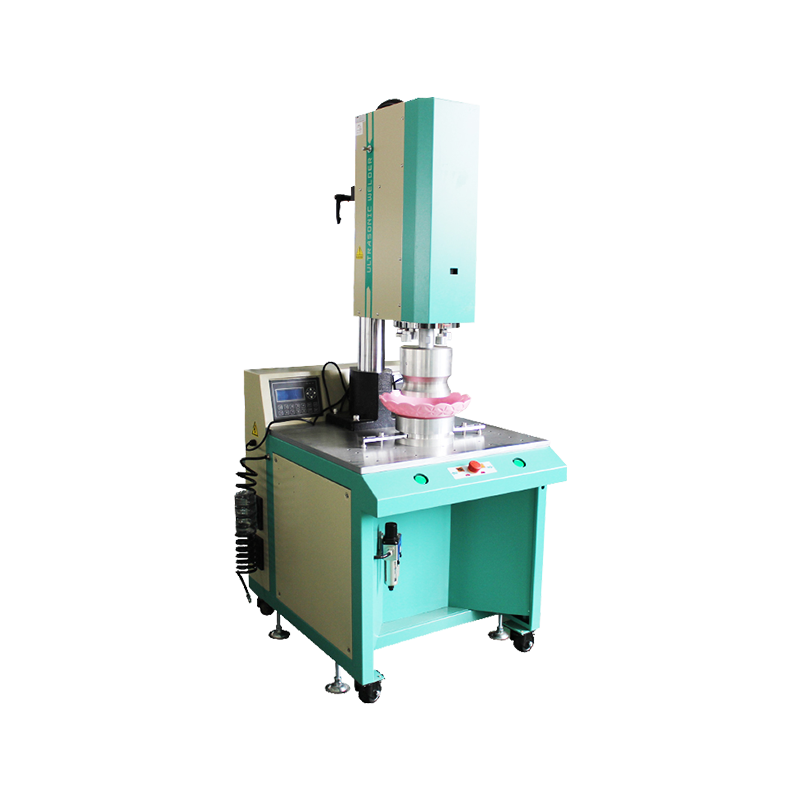
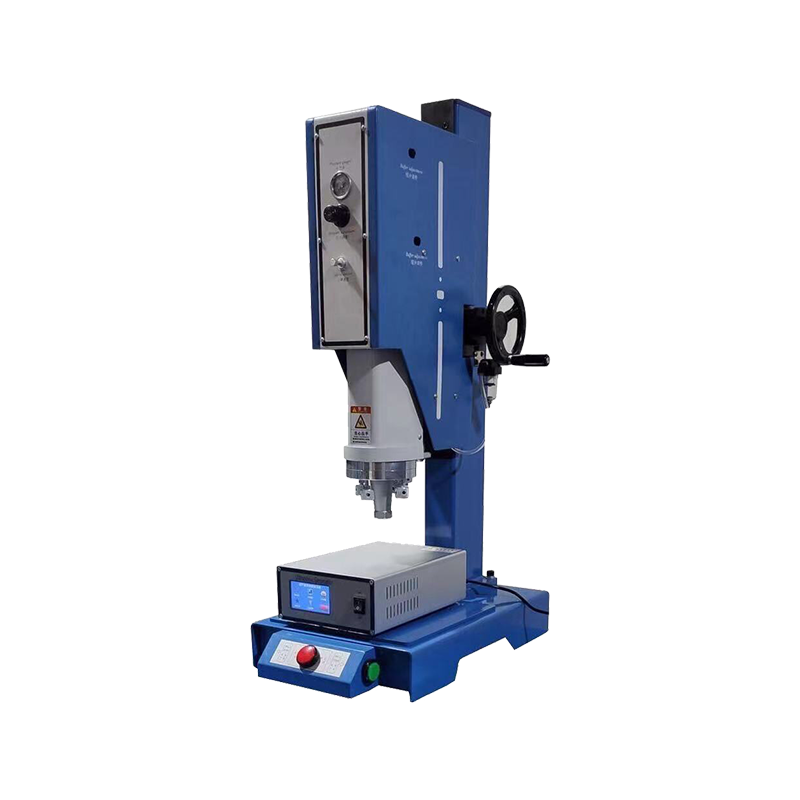
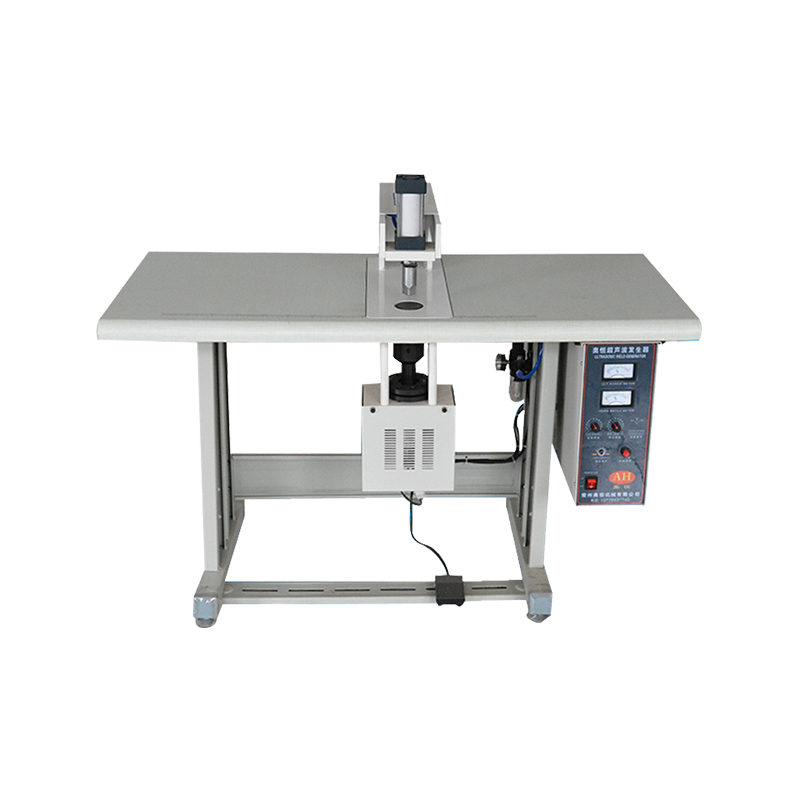
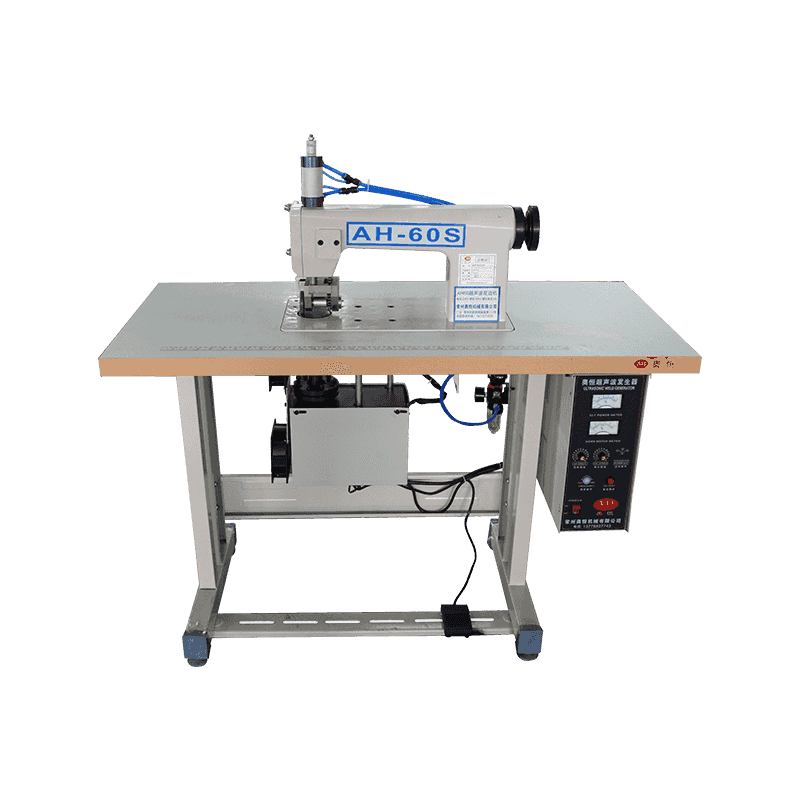
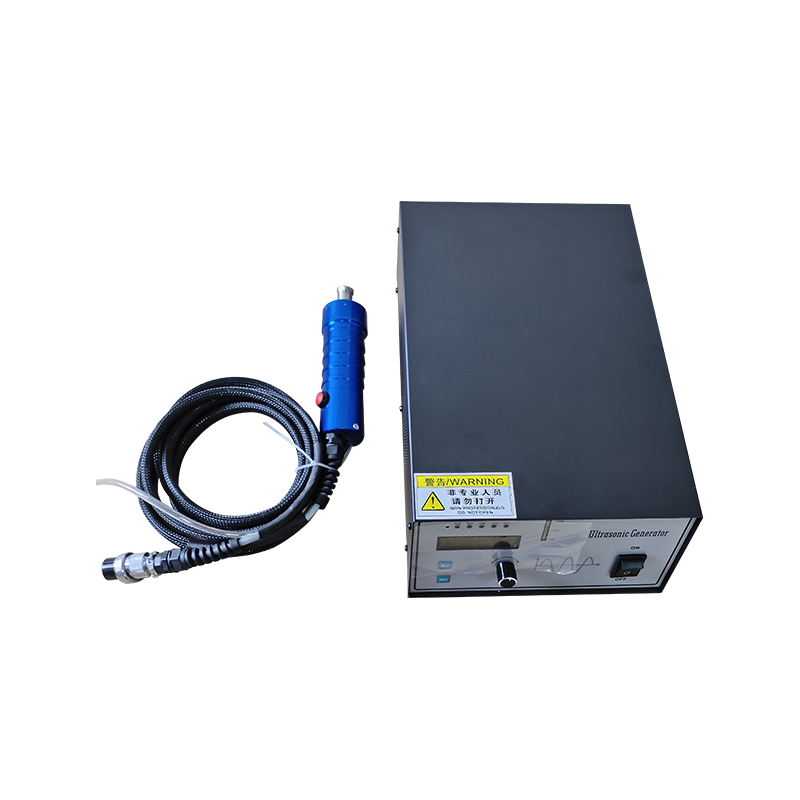
Use a high-frequency vibrating blade to melt and seal the fabric as it cuts. This creates a perfectly sealed, non-fraying edge, making it perfect for synthetic materials, laminated fabrics, and geotextiles. It is a cold cutting process, so there is no burning or fuming.
Employ an ultra-high-pressure stream of water, often mixed with an abrasive like garnet, to cut through material. This is a cold process with no heat damage, capable of cutting through extremely thick or dense textile composites, carpets, and multi-layered technical fabrics. The main drawbacks are water consumption and a wet end product.
Choosing the right cutting machine requires a careful analysis of your production parameters. Consider the following factors:
| Factor | Questions to Ask | Impact on Choice |
|---|---|---|
| Fabric Type & Properties | Is it woven, knit, non-woven, coated, laminated, or a composite? Is it delicate, stretchy, or prone to fraying? | Determines cutting method: Knives for most wovens/knits; Laser/Ultrasonic for synthetics; Waterjet for heavy composites. |
| Production Volume & Layering | What is the daily output? Do you cut single plies or high multi-ply spreads (100+ layers)? | High-volume, multi-ply cutting demands a CNC flatbed knife. Low-volume, intricate work suits laser or single-ply cutters. |
| Cutting Precision & Complexity | How intricate are the patterns? What tolerance level is required? | Laser and high-end CNC cutters offer the highest precision for complex geometries. |
| Edge Finish Requirement | Is a sealed, non-fraying edge needed, or is a raw edge acceptable? | Laser and ultrasonic cutting seal edges; knife cutting leaves a raw edge that may require subsequent sealing. |
| Automation & Integration | Should it integrate with automated spreading and material handling systems? | CNC flatbeds are core to fully automated cutting rooms. Stand-alone machines offer more flexibility. |
A cutting machine is part of an integrated system. The standard workflow involves:
Proper upkeep ensures accuracy, longevity, and a safe working environment.
Routine Maintenance:
Safety Protocols:
Cutting technology continues to advance, focusing on smart automation and sustainability. Future trends include:
Selecting the right textile cutting machine is a strategic decision that balances technical capability with operational goals. By understanding the strengths of each technology and aligning them with specific fabric and production requirements, manufacturers can achieve significant gains in efficiency, quality, and profitability.
Copyright © ChangZhou AoHeng Machinery Co., Ltd. All Rights Reserved
English
中文简体
русский
Español