English
 中文简体
中文简体 русский
 Español
Home / Blog / Industry News / Understanding Different Slitting Methods Used in Fabric Roll Slitting Machines


Request A Quote

Content
Fabric roll slitting is a core process in textile finishing and converting, where wide parent rolls are separated into narrower rolls with consistent width and clean edges. Different slitting methods exist because fabrics vary widely in structure, coating, thickness and thermal sensitivity. Selecting the correct slitting method ensures edge quality, minimal fraying, reduced waste and reliable downstream processing. This article explains the principal slitting techniques used in fabric roll slitting machines, practical selection criteria, maintenance tips and troubleshooting guidance.
Razor slitting uses sharp, fixed blades (single-edge razors or replaceable blades) that shear the fabric against a rotating anvil roller or a flat backing surface. It is a high-speed, low-cost option that excels with lightweight woven and knitted fabrics, nonwovens and some coated textiles. The blade slices the web with minimal compressive damage, producing a relatively clean cut for materials that do not easily fray or melt.
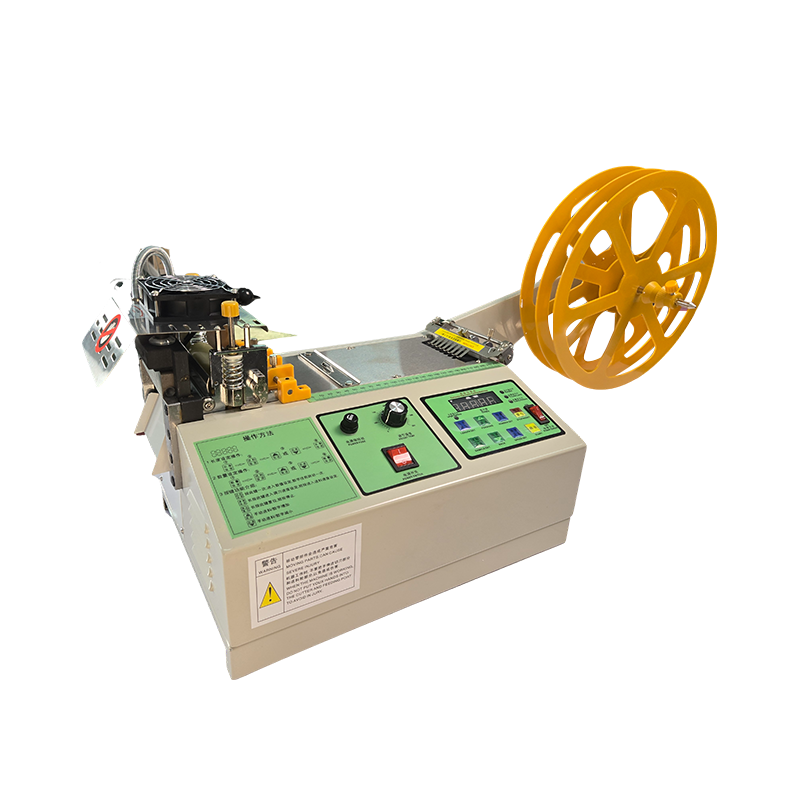
Rotary knife slitting employs circular blades mounted on rotating shafts; there are two main arrangements—razor-rotary against anvil and male/female (shear) rotary knives. Shear cutting uses matched male and female knives that pass each other with a defined clearance, producing a true scissor-like shear cut. This method is preferred for thicker fabrics, laminated composites, and coated textiles where edge quality and heat-free cutting are critical.
Hot-knife slitting uses a heated blade or wire to cut and simultaneously seal the fabric edge. The heat melts thermoplastic fibers at the cut line, preventing fraying and producing a sealed, neat edge. This technique is widely used for synthetic textiles such as polyester, nylon, PVC-coated fabrics, and technical textiles containing thermoplastic binders.
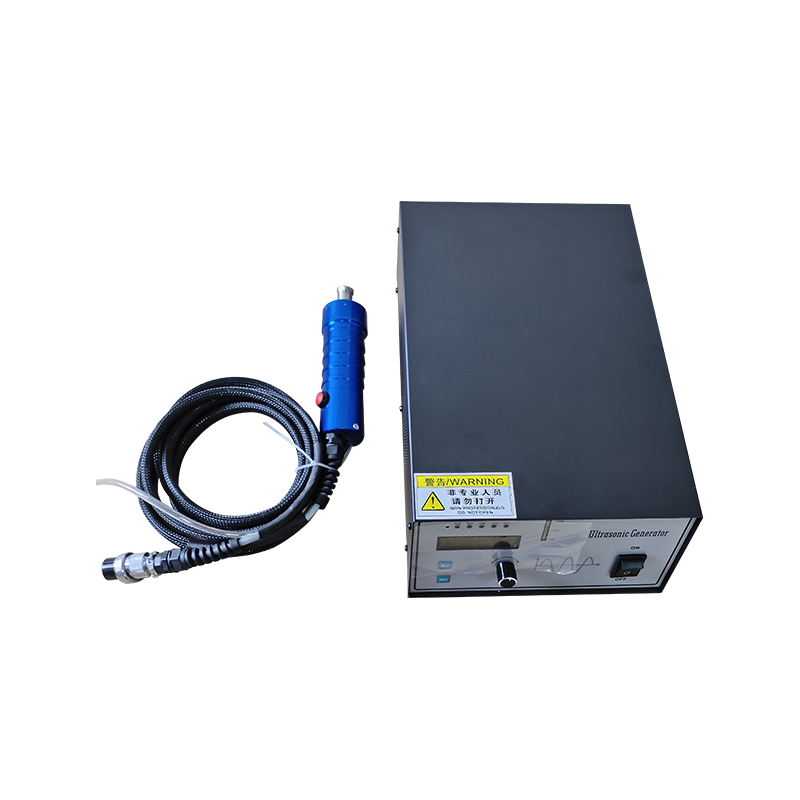
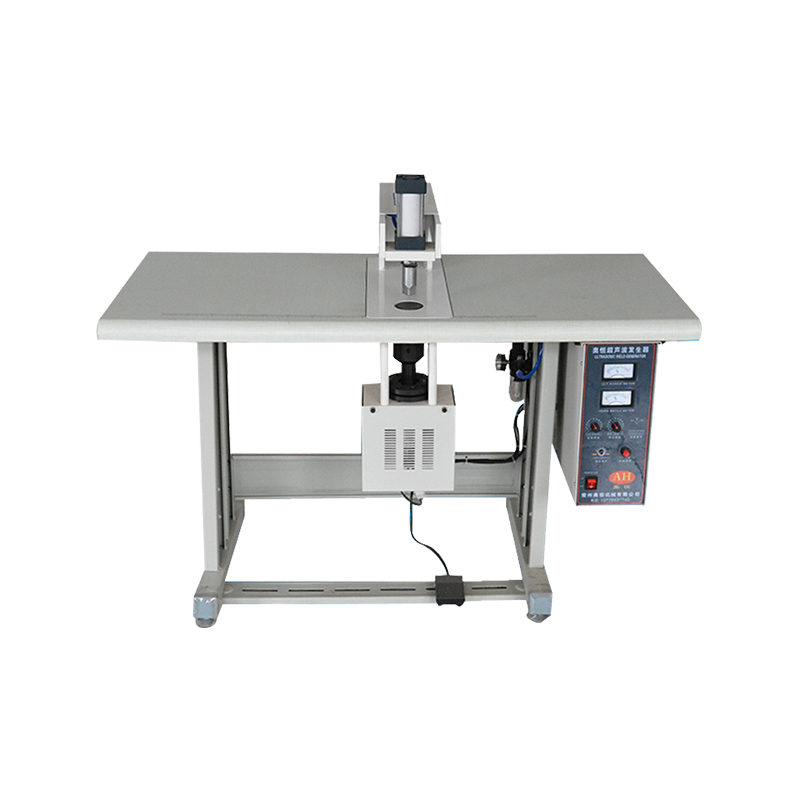
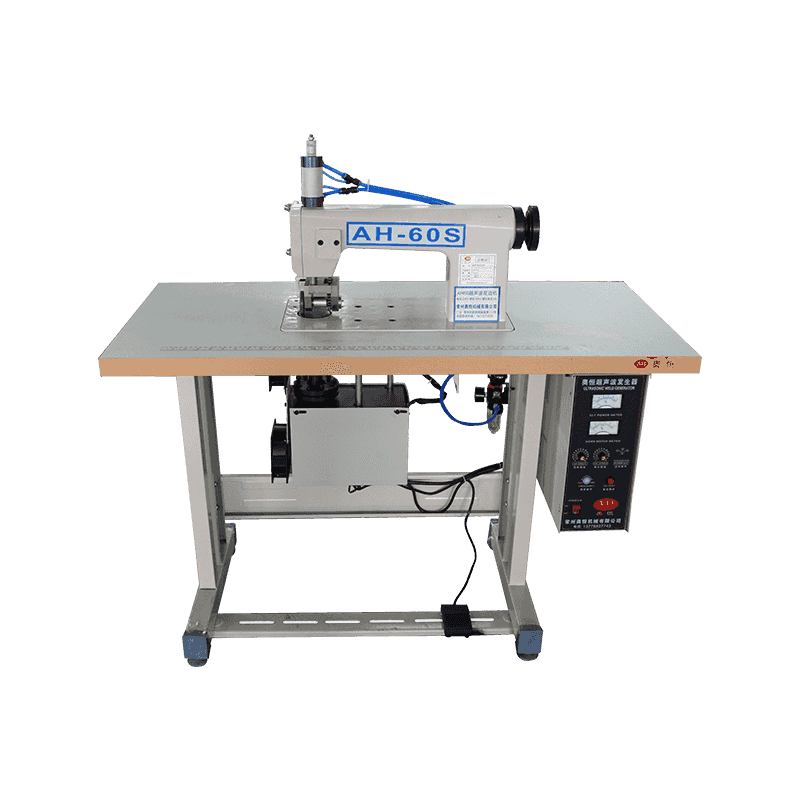
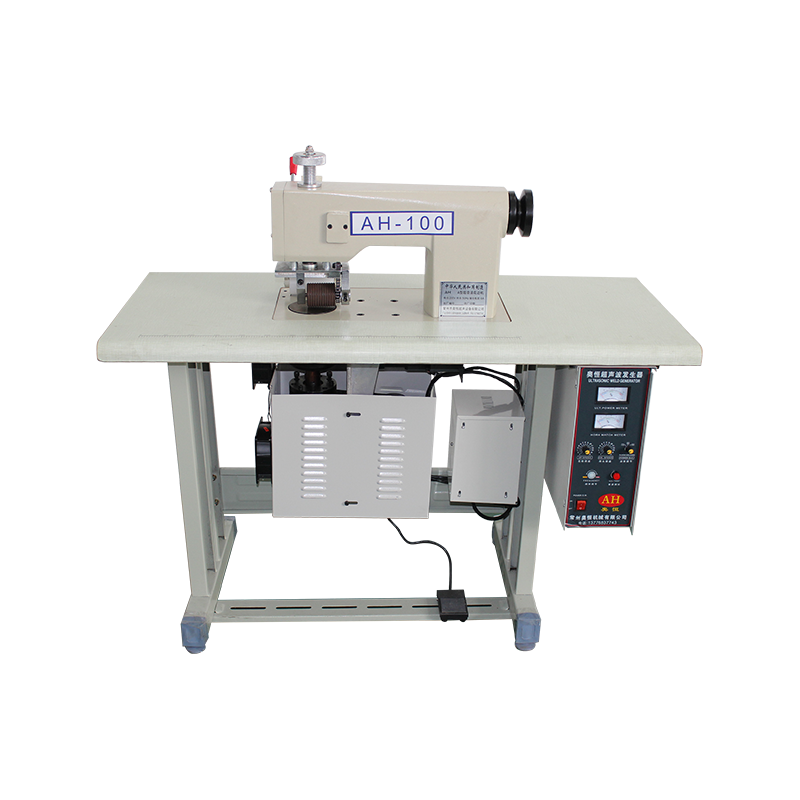
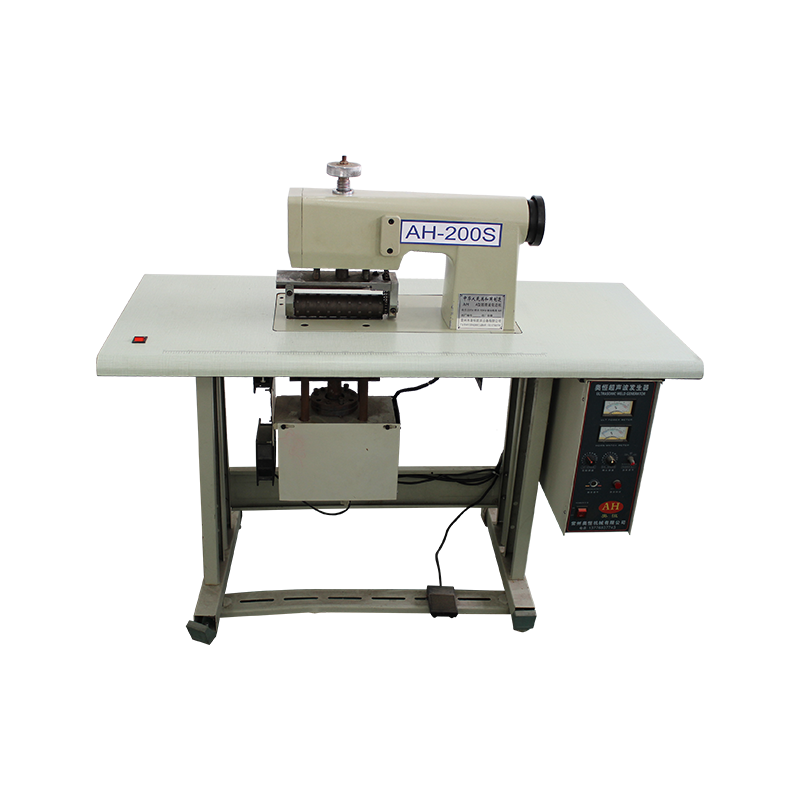
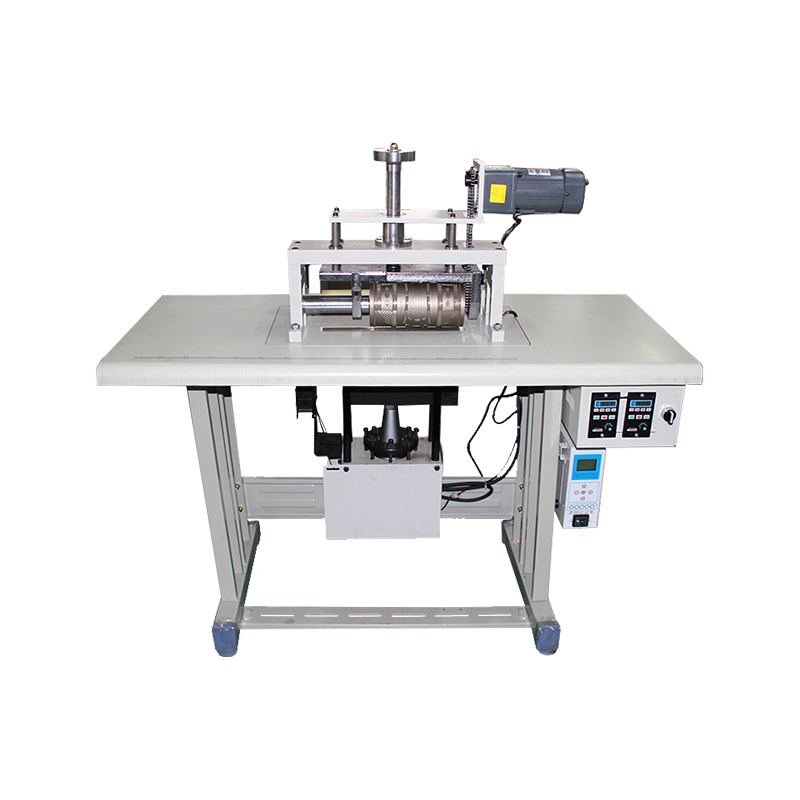
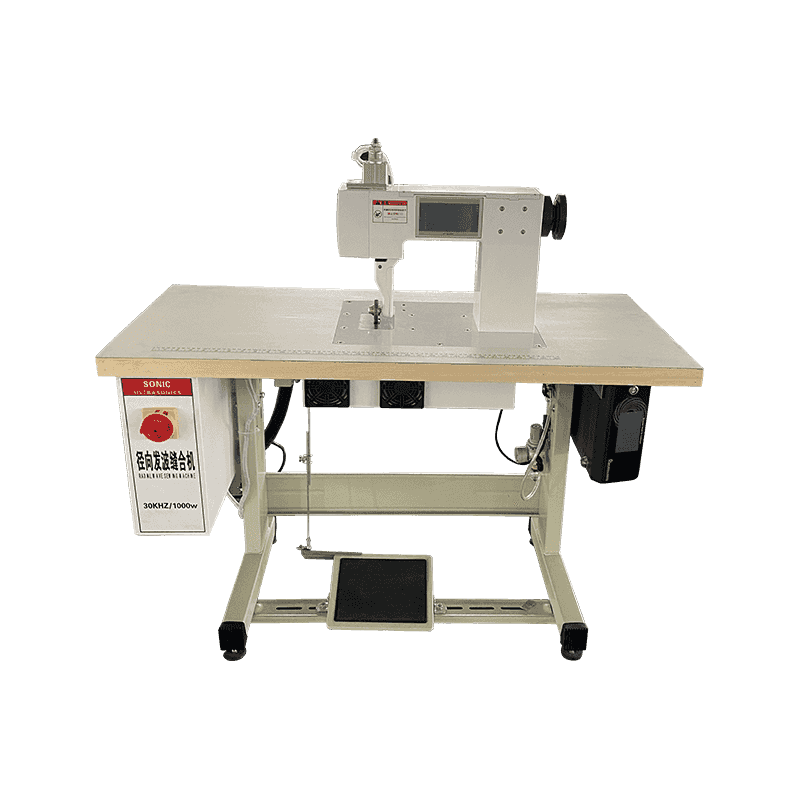
Ultrasonic slitting uses high-frequency vibrations to cut and lightly weld the edge simultaneously; it is particularly effective for engineered technical textiles, composites and bio-compatible fabrics. Laser slitting uses focused energy to vaporize material along the cut line, producing extremely precise and intricate shapes without mechanical contact. Both methods offer clean edges and minimal mechanical stress.
| Method | Best Materials | Edge Quality | Max Practical Speed | Typical Uses |
| Razor | Light woven/knit, nonwovens | Good; possible fibrillation | Very high | High-speed converting, simple trims |
| Rotary / Shear | Thick, coated, laminated fabrics | Excellent | High | Industrial textiles, coated goods |
| Hot-Knife | Thermoplastics, PVC, polyester | Sealed, fray-free | Medium to high | Outdoor fabrics, awnings, tarpaulins |
| Ultrasonic / Laser | Technical, medical, precision textiles | Superior | Medium | Medical, filtration, high-precision goods |
Choosing the appropriate slitting method requires balancing material properties, edge finish requirements, production speed and cost. Start by answering: does the fabric fray? Is the web coated or laminated? Are sealed edges required? What roll widths and tolerances are needed? The answers drive the choice between low-cost razor cutting and higher-precision thermal or laser systems.
Reliable slitting depends on routine maintenance and correct setup. Key practices include regular blade inspection, precise gap adjustment for shear knives, consistent web tension control and proper cleaning of heating or laser optics. Errors in any of these areas cause edge defects, uneven roll build or increased waste.
There is no one-size-fits-all slitting method. For high-speed conversion of simple textiles, razor slitting is economical and effective. For thicker, coated or precision-demanding products, rotary shear or ultrasonic/laser options justify the investment with better edge quality and less downstream finishing. Always evaluate the material characteristics, required edge finish, production cadence and total cost of ownership before committing to a slitting technology.
Integrating a slitting trial—testing a small production run with target fabric, speed and winding parameters—provides the most reliable validation of method choice and machine setup. This reduces start-up waste and ensures consistent product quality on full production runs.

Copyright © ChangZhou AoHeng Machinery Co., Ltd. All Rights Reserved