Request A Quote

In modern lace manufacturing, both ultrasonic lace machines and thermal cutting methods are widely used to produce intricate designs with precision. Understanding the advantages and limitations of each method allows textile manufacturers to make informed decisions about production efficiency, product quality, and operational costs. Each technology interacts differently with lace materials, affecting edge finish, strength, and overall production speed.
Content
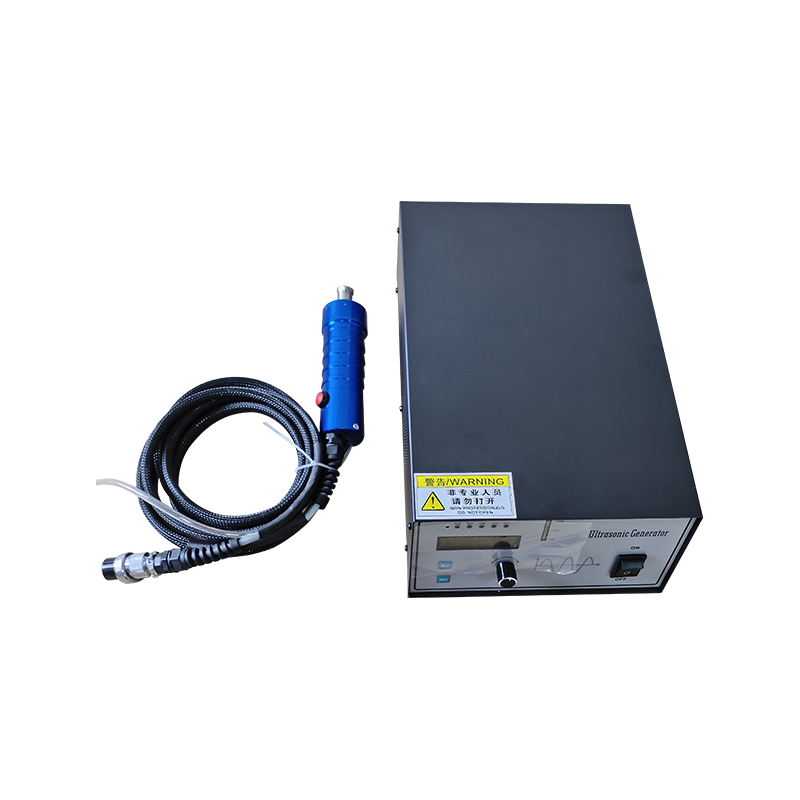
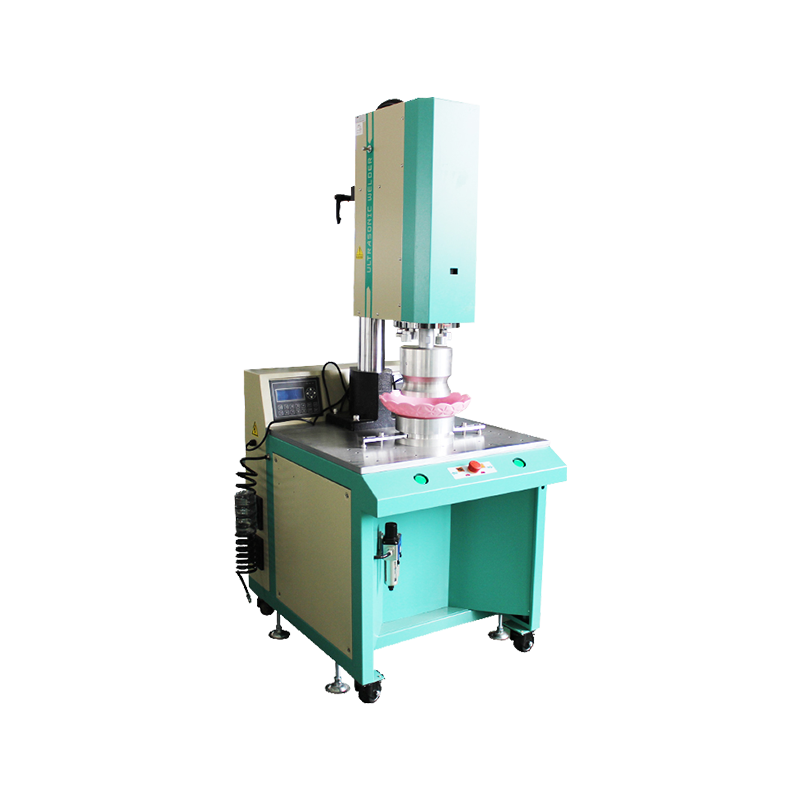
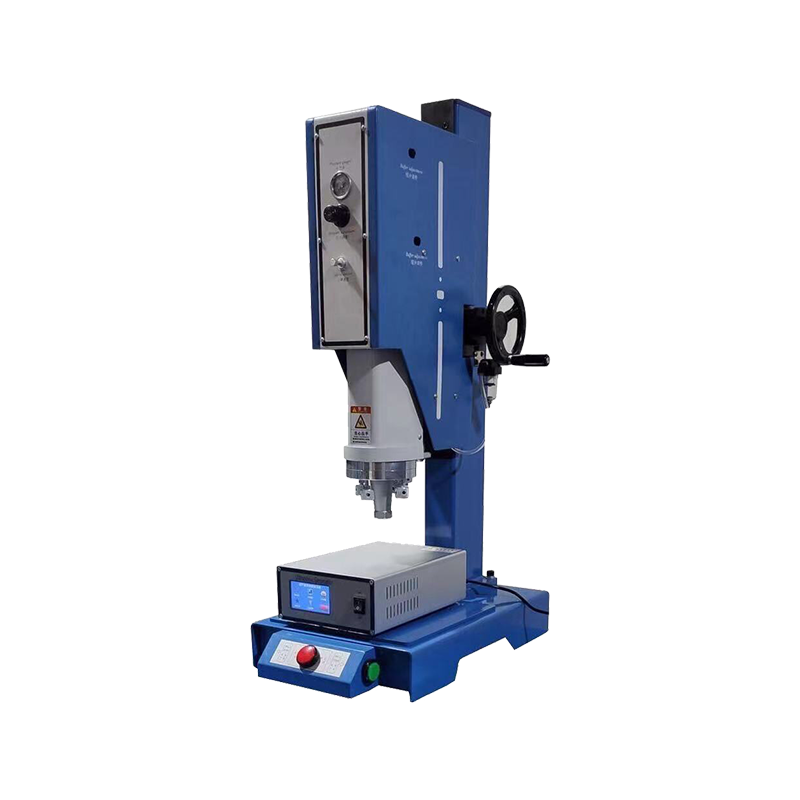
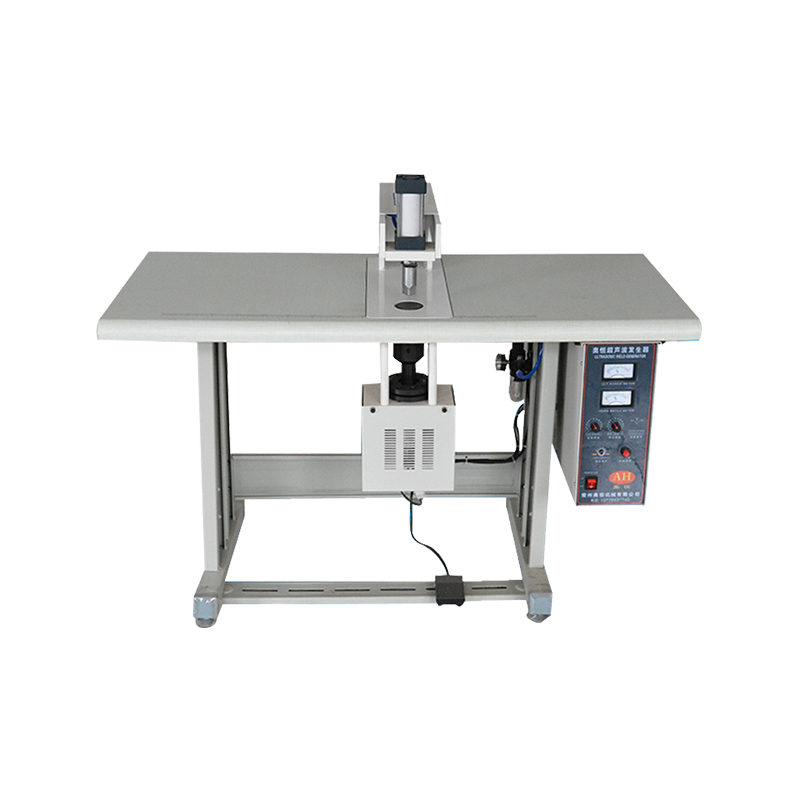
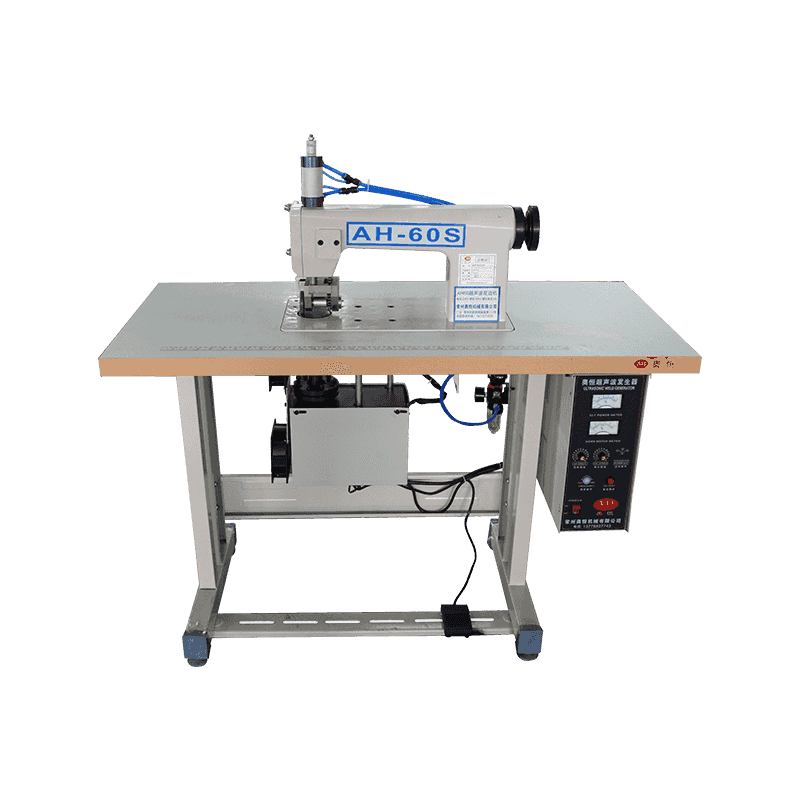
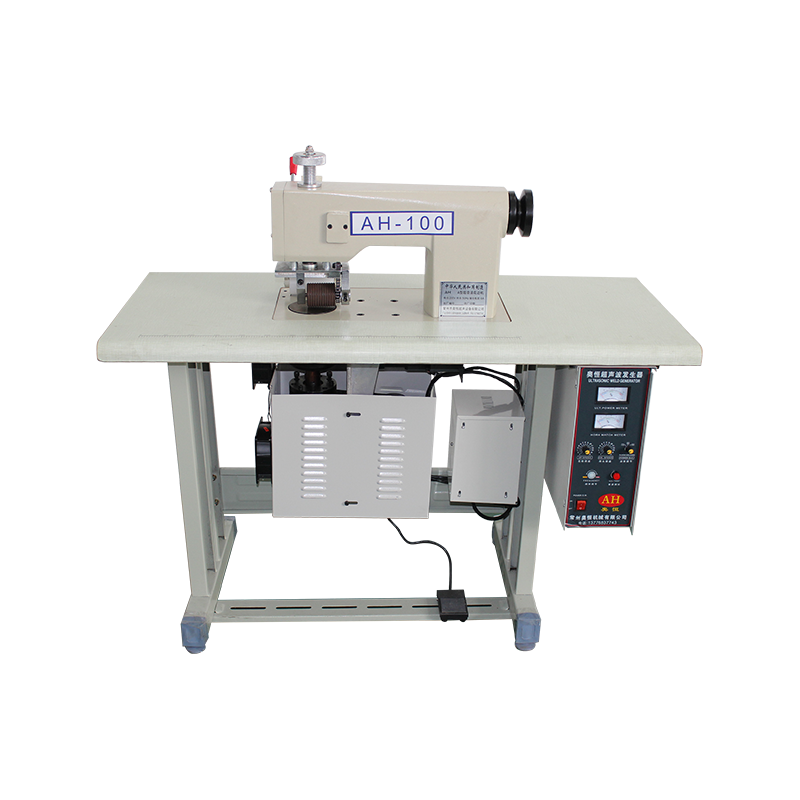
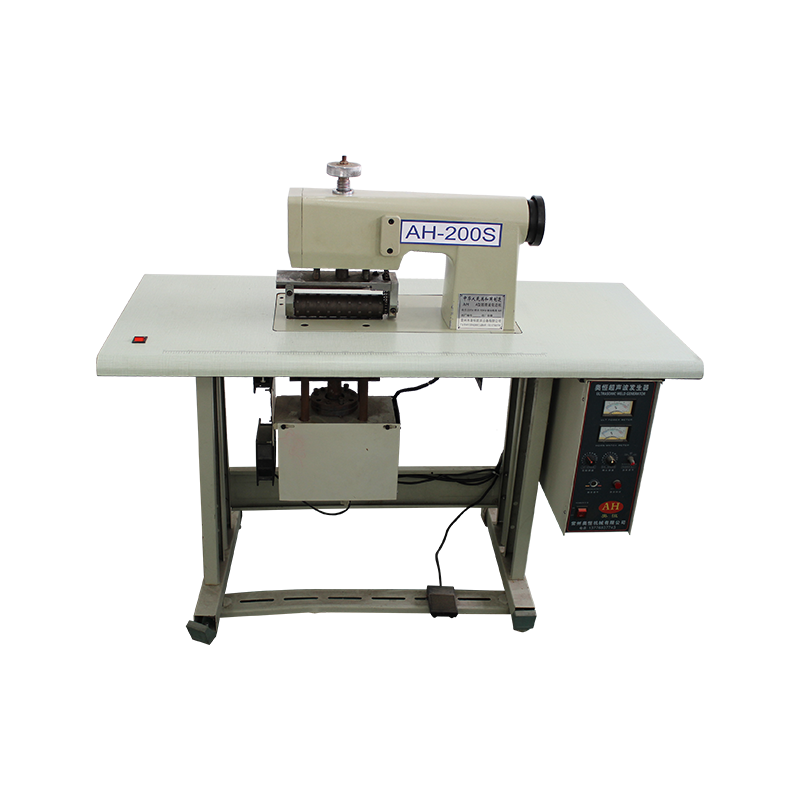
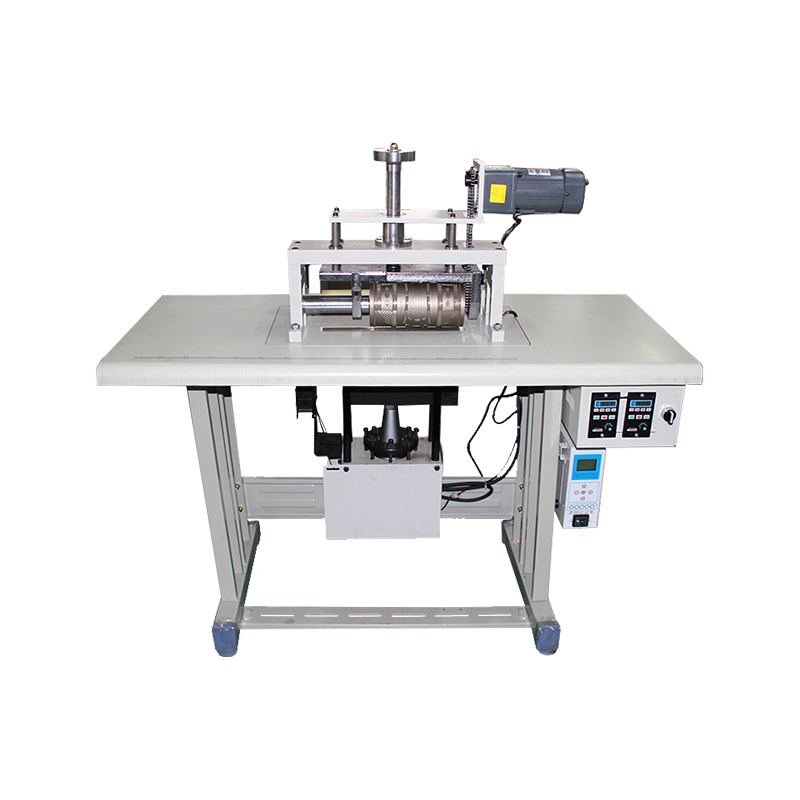
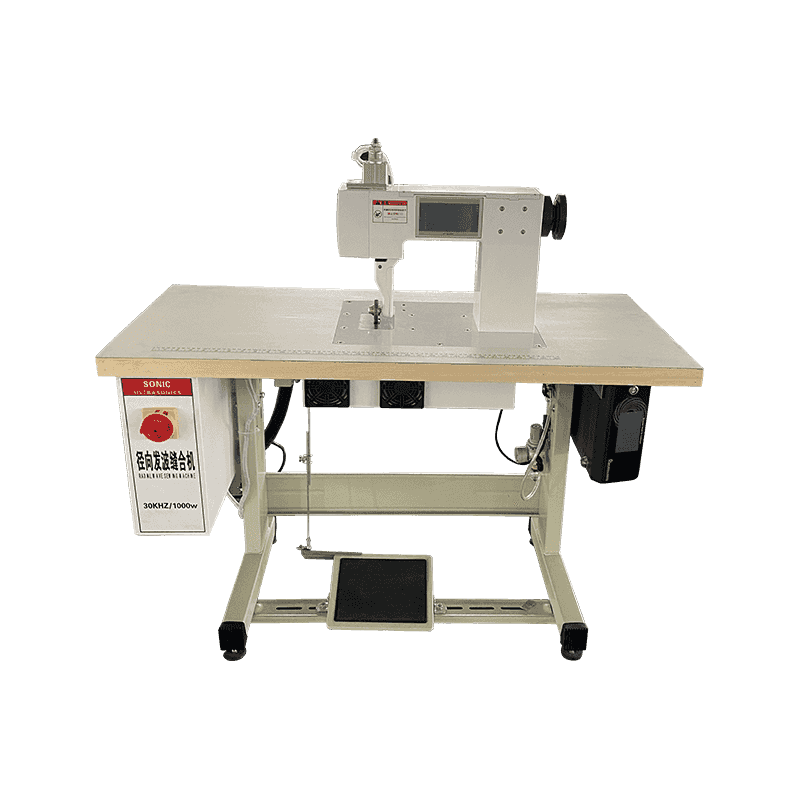
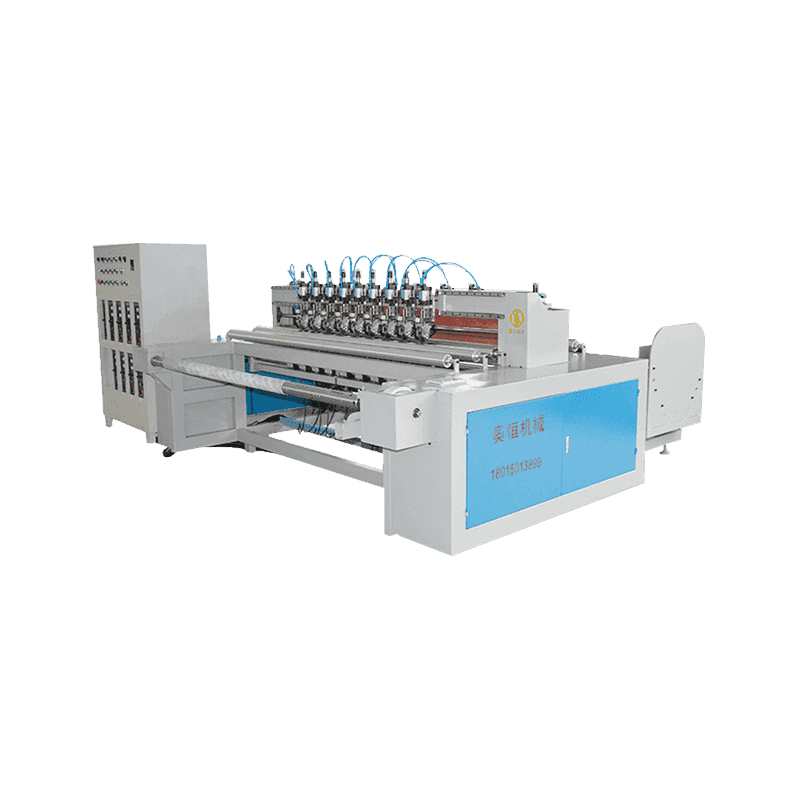
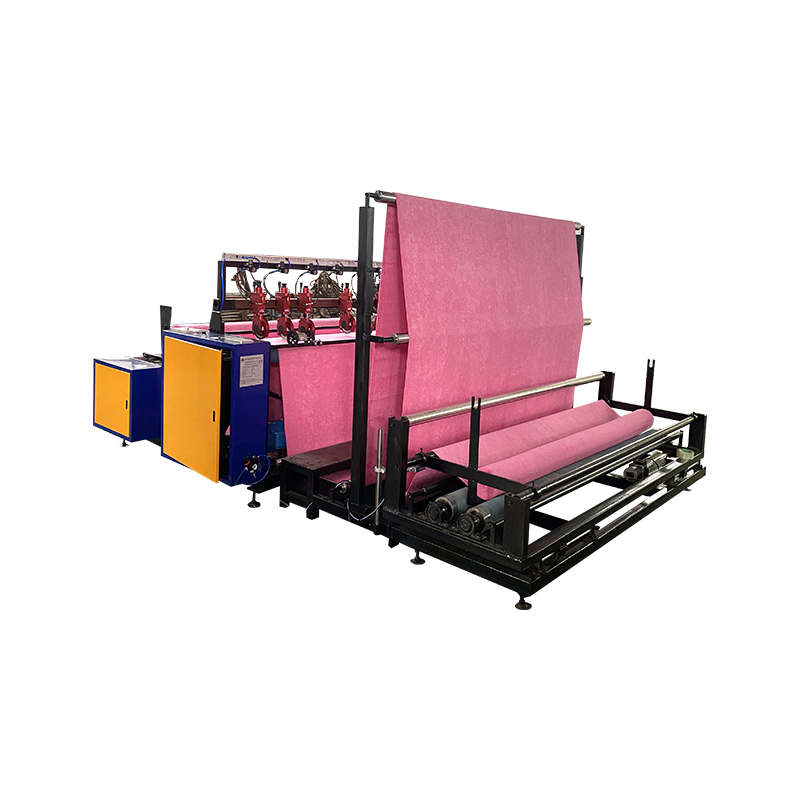
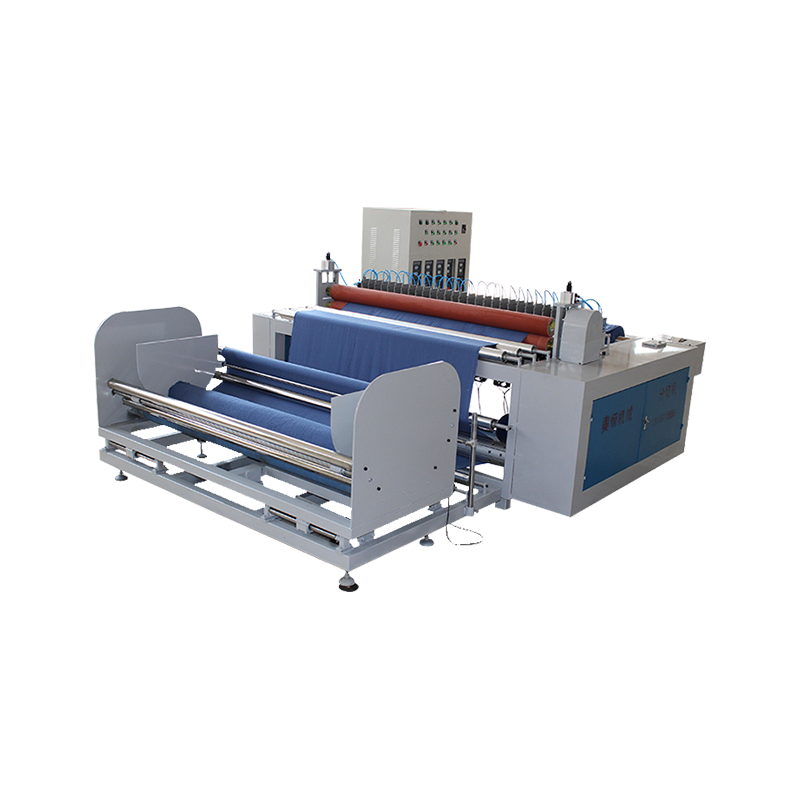
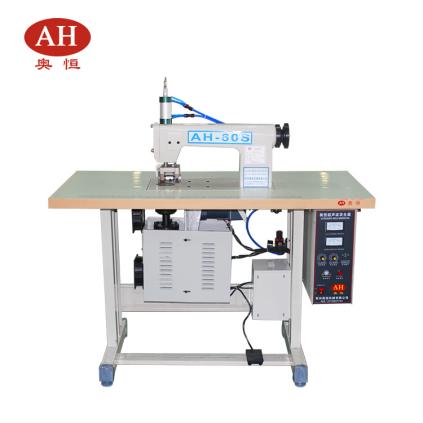
Ultrasonic lace machines use high-frequency ultrasonic vibrations to cut and seal fabric simultaneously. The vibrations generate localized heat due to friction within the polymer fibers, melting and bonding the edges without requiring additional heat sources. This process produces precise, clean edges that prevent fraying and reduce material waste. Ultrasonic technology is highly suitable for synthetic fibers and blends, where fiber melting can create strong, sealed edges.
Thermal cutting involves applying a heated element, such as a blade, wire, or laser, to slice through lace material. Heat melts or burns the fabric edges, sealing synthetic fibers in the process. Thermal methods are often used in combination with manual or semi-automated processes and can handle both synthetic and natural fibers depending on the heat source and material type.
| Feature | Ultrasonic Lace Machines | Thermal Cutting Methods |
|---|---|---|
| Edge Quality | Clean, sealed, fray-free | May burn or fray edges if heat is not controlled |
| Material Compatibility | Best for synthetic fibers and blends | Suitable for both natural and synthetic fibers |
| Production Speed | High-speed mass production | Slower, depends on operator or semi-automation |
| Equipment Cost | High initial investment | Lower initial investment |
| Maintenance | Requires ultrasonic transducer and horn checks | Requires heat source inspection and replacement |
Both ultrasonic lace machines and thermal cutting methods have distinct advantages and limitations depending on the lace material, production speed, and desired edge quality. Ultrasonic machines excel in producing clean, fray-free edges at high speed, especially for synthetic fibers, whereas thermal cutting methods offer broader material compatibility and lower initial investment. Manufacturers should evaluate production requirements, fabric types, and budget considerations when selecting the optimal cutting technology to ensure efficient, high-quality lace production.

Copyright © ChangZhou AoHeng Machinery Co., Ltd. All Rights Reserved
 English
 中文简体
中文简体 русский
 Español